

Caring for Your Lab Grown Diamonds: Maintenance Tips for Long-Lasting Brilliance
In the world of exquisite jewellery, lab grown diamonds have emerged as a sustainable and ethically conscious choice. Blu Diamonds, a brand synonymous with quality and innovation, offers a diverse range of lab grown diamond jewellery for women. In this comprehensive guide, we explore every aspect of caring for your lab grown diamonds — from daily habits and at-home cleaning to professional servicing and travel tips — so your pieces maintain their long-lasting brilliance for generations.
- Understanding Lab Grown Diamonds
- Daily Care Habits for Lab Grown Diamond Jewellery
- How to Clean Your Lab Grown Diamond Jewellery at Home
- Professional Cleaning: When and Why
- Storing Your Diamond Jewellery Properly
- What to Avoid: Common Mistakes That Damage Diamond Jewellery
- Caring for Different Gold Types: White Gold, Yellow Gold, and Rose Gold
- Travel Tips: Protecting Your Jewellery On the Go
- How Often Should You Service Your Diamond Jewellery?
- Lab Grown vs Mined Diamond Care — Any Difference?
- Frequently Asked Questions
Understanding Lab Grown Diamonds

Lab grown diamonds, also known as cultured diamonds, share the exact same physical, chemical, and optical properties as mined diamonds. They are created in controlled environments using advanced processes such as Chemical Vapour Deposition (CVD) and High Pressure High Temperature (HPHT). Because they are real diamonds in every measurable way, they deserve the same level of care and attention. Blu Diamonds has become a trailblazer in offering an extensive range of lab grown diamond jewellery, including rings, bracelets, earrings, and pendants.
Daily Care Habits for Lab Grown Diamond Jewellery
Building simple daily habits goes a long way in preserving the sparkle of your diamond jewellery. Here are practices to adopt every day:
- Put jewellery on last. Apply perfume, hairspray, lotions, and sunscreen before putting on your diamond pieces. These products contain chemicals that can leave a film on the stone, dulling its brilliance over time.
- Remove before household chores. Washing dishes, cleaning surfaces, and gardening expose your jewellery to abrasive materials and harsh cleaning agents.
- Wipe down after wearing. At the end of each day, give your diamond jewellery a quick wipe with a soft, lint-free microfibre cloth. This removes body oils, sweat, and surface dust before they build up.
- Avoid touching the stone. Diamonds are natural grease attractors. Handling the stone face with your fingers transfers oils that reduce its fire and scintillation. Hold pieces by the band or metal setting instead.
How to Clean Your Lab Grown Diamond Jewellery at Home
Regular at-home cleaning keeps your diamonds looking their best between professional services. Follow these steps for a safe and effective clean:
- Prepare a cleaning solution. Fill a small bowl with warm (not hot) water and add a few drops of mild dish soap. Avoid antibacterial or moisturising soaps, which can leave residue.
- Soak the jewellery. Place your diamond piece in the solution and let it soak for 20 to 30 minutes. This loosens oils, lotions, and everyday grime.
- Gently scrub. Using a soft-bristled toothbrush (a baby toothbrush works perfectly), gently brush around the diamond and beneath the setting where dirt tends to accumulate. Pay special attention to the underside of the stone and the prongs.
- Rinse thoroughly. Rinse under warm running water. Place a strainer or mesh over the drain to prevent any accidental loss.
- Dry and buff. Pat dry with a clean, lint-free cloth and allow to air-dry completely before storing. Avoid paper towels, which can scratch metal surfaces.
For engagement rings and solitaire rings worn daily, aim to clean at home once a week. For pieces worn less frequently, a monthly clean is sufficient.
Professional Cleaning: When and Why
While at-home cleaning handles surface grime, professional cleaning reaches places a toothbrush cannot. Jewellers use ultrasonic cleaners and steam cleaning equipment to remove deep-set dirt without risking damage to settings.
You should seek professional cleaning in these situations:
- Every six months as part of routine maintenance.
- After exposure to chlorine, saltwater, or heavy perspiration (such as after a beach holiday).
- When you notice the diamond looks persistently cloudy despite home cleaning.
- Before a special occasion when you want your jewellery to look its absolute best.
A professional inspection also allows the jeweller to check prong integrity, clasp function, and overall structural soundness — catching small issues before they become costly repairs.
Storing Your Diamond Jewellery Properly
How you store your jewellery matters as much as how you clean it. Diamonds are the hardest natural substance on Earth (10 on the Mohs scale), which means they can scratch every other gemstone and metal — including other diamonds.
- Use individual compartments. Store each piece in its own soft pouch or a lined jewellery box with separate sections. This prevents pieces from rubbing against one another.
- Keep away from direct sunlight and heat. Prolonged exposure to intense heat can damage certain metal alloys and loosen adhesives used in some settings.
- Avoid humidity. Store jewellery in a cool, dry place. Excess moisture can tarnish metal settings, particularly White Gold pieces that rely on rhodium plating.
- Use anti-tarnish strips. Placing small anti-tarnish strips inside your jewellery box absorbs moisture and sulphur compounds that cause discolouration.
What to Avoid: Common Mistakes That Damage Diamond Jewellery
Even with the best intentions, certain habits can compromise your diamond jewellery over time. Here are the most common mistakes to steer clear of:
- Using harsh chemicals. Bleach, chlorine, acetone, and abrasive household cleaners can erode metal settings, dissolve rhodium plating, and dull diamond surfaces.
- Wearing jewellery during exercise. Impact from weights, equipment, and vigorous movement can bend prongs, crack settings, or chip diamonds along their cleavage planes.
- Sleeping in your jewellery. Tossing and turning puts stress on prongs and clasps. Bangles and chain bracelets are especially vulnerable to being caught on bedding.
- Using toothpaste as a cleaner. Despite the popular myth, toothpaste is abrasive and can scratch gold and platinum settings.
- Ignoring loose settings. If a diamond wobbles or you hear a faint rattle, stop wearing the piece immediately and take it to a jeweller. A loose stone is one bump away from being lost.
Caring for Different Gold Types: White Gold, Yellow Gold, and Rose Gold
Blu Diamonds offers jewellery in 14kt White Gold, Yellow Gold, and Rose Gold. Each gold type has unique characteristics that affect care:
White Gold
White Gold is alloyed with metals such as palladium or nickel and is typically coated with a thin layer of rhodium for its signature bright, silvery finish. Over time, this rhodium plating wears away, revealing a slightly warmer tone underneath. To maintain its lustre, have your White Gold pieces re-plated every 12 to 18 months, depending on how frequently you wear them. Avoid chlorine and bleach, which accelerate rhodium wear.
Yellow Gold
Yellow Gold is the most traditional choice and is relatively low-maintenance. It develops a warm patina over time that many owners love. To restore its original shine, a professional polish is all that is needed. Yellow Gold is more resistant to tarnishing than White Gold but is still susceptible to scratching, so store carefully.
Rose Gold
Rose Gold gets its distinctive warm, pinkish hue from copper alloy content. Copper can tarnish when exposed to moisture and chemicals, so Rose Gold pieces benefit from being wiped down after each wear and stored in a dry environment. Over time, Rose Gold may develop a slightly deeper colour — a natural process that many find enhances its character.
Travel Tips: Protecting Your Jewellery On the Go
Travelling with diamond jewellery requires extra precautions to avoid loss, theft, or damage:
- Use a dedicated travel jewellery case. A compact, padded case with individual compartments prevents pieces from tangling or scratching each other.
- Carry jewellery in your hand luggage. Never place valuable jewellery in checked luggage, which is more vulnerable to loss and rough handling.
- Remove jewellery at security checkpoints. Place pieces in your travel case before sending bags through the X-ray scanner, rather than dropping them into the communal tray.
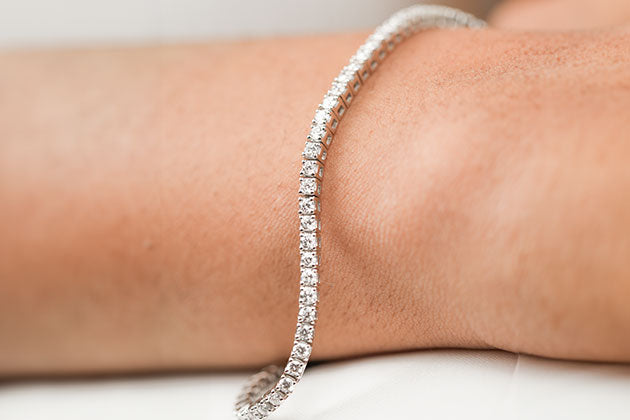
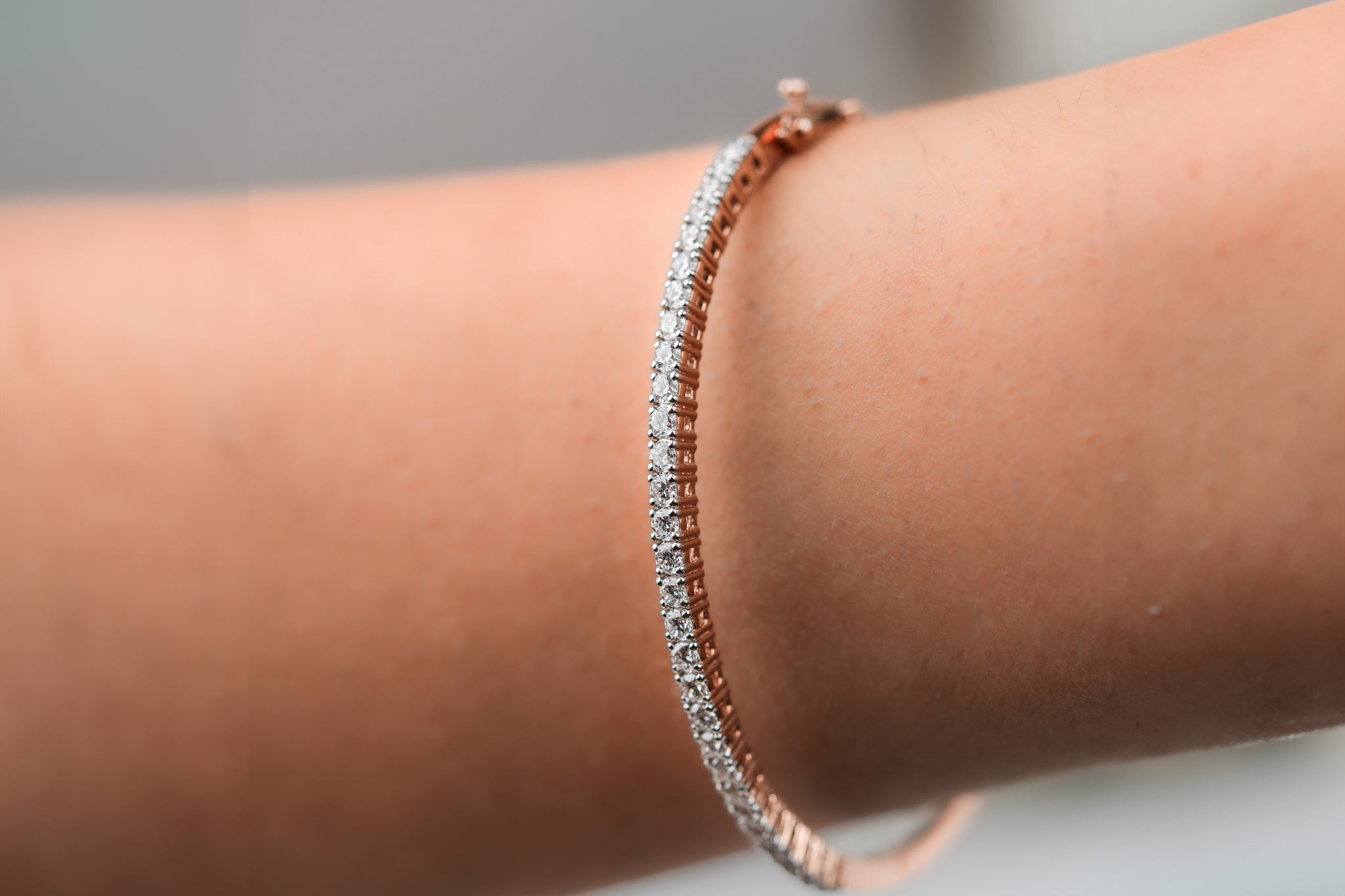
- Avoid wearing fine jewellery at the beach or pool. Sand is abrasive, saltwater corrodes metal, and chlorine attacks rhodium plating. Leave your tennis bracelets and dangler earrings safely stored at the hotel.
- Insure your jewellery. Before travelling, ensure your valuable pieces are covered under your travel or home insurance policy.
How Often Should You Service Your Diamond Jewellery?
A good servicing schedule depends on how frequently you wear each piece:
- Daily-wear pieces (such as daily wear rings and daily wear earrings): Professional inspection and cleaning every 6 months. Prong tightening and polishing annually.
- Occasional-wear pieces (such as fashion rings and fashion earrings): Professional cleaning once a year is typically sufficient.
- Special-occasion pieces: Inspect before and after each significant use. Store properly between wearings.
During a professional service, ask your jeweller to check for worn prongs, weakened clasps, and any micro-fractures in the setting. Early detection prevents stone loss and costly repairs down the line.
Lab Grown vs Mined Diamond Care — Any Difference?
The short answer is no. Lab grown diamonds and mined diamonds are chemically, physically, and optically identical. They have the same hardness (10 on the Mohs scale), the same refractive index, and the same thermal conductivity. This means every care tip, cleaning method, and storage recommendation that applies to a mined diamond applies equally to a lab grown diamond.
The only difference lies in their origin story — lab grown diamonds are created in a controlled environment with a significantly lower environmental footprint, while mined diamonds are extracted from the earth. Once the diamond exists, its care requirements are indistinguishable. You can confidently use the same jeweller, the same ultrasonic cleaner, and the same gentle soap-and-water method for both.
Frequently Asked Questions
Can I wear my lab grown diamond ring in the shower?
It is best to remove diamond jewellery before showering. Soap residue builds up around the setting over time, and some shampoos and conditioners contain chemicals that can dull the stone's appearance.
Will hand sanitiser damage my diamond jewellery?
Occasional exposure to alcohol-based hand sanitiser is unlikely to cause immediate damage. However, frequent use can dull the finish of certain metals, particularly Rose Gold and rhodium-plated White Gold. Remove your rings before applying sanitiser when possible.
How can I tell if my diamond setting is loose?
Hold the piece close to your ear and gently tap it. If you hear a faint rattling sound, the stone may be loose. You can also try gently pressing the diamond with a fingertip — if it moves or rocks, take it to a jeweller immediately.
Is it safe to use an ultrasonic cleaner at home?
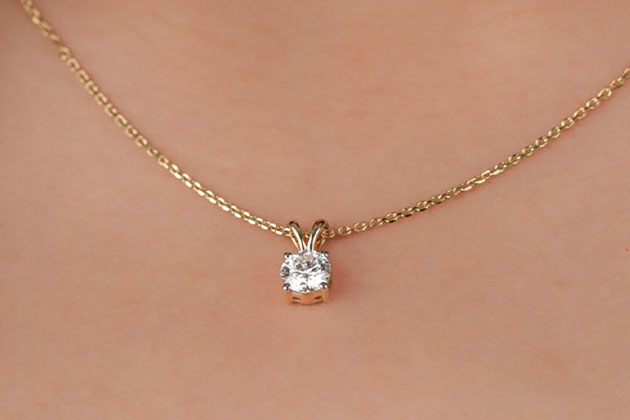
Home ultrasonic cleaners can be effective, but they are not suitable for all jewellery. Pieces with fracture-filled diamonds, certain gemstone accents, or delicate vintage settings should avoid ultrasonic cleaning. For standard solitaire pendants and solitaire stud earrings in solid gold settings, home ultrasonic cleaners are generally safe.
Do lab grown diamonds lose their sparkle over time?
No. Lab grown diamonds do not degrade, cloud, or lose their optical properties over time. Any perceived loss of sparkle is due to surface dirt and oil buildup, which is easily remedied with regular cleaning.
Can I resize a ring with a lab grown diamond?
Yes. Lab grown diamonds behave identically to mined diamonds during resizing. A skilled jeweller can resize your ring without any risk to the stone.
Caring for your lab grown diamond jewellery from Blu Diamonds is a commitment to preserving its beauty for generations. By building consistent daily habits, cleaning regularly at home, scheduling professional services, and storing pieces thoughtfully, you ensure that every diamond continues to sparkle with the same brilliance as the day you first wore it. Blu Diamonds, with its diverse range of products in White Gold, Yellow Gold, and Rose Gold, remains dedicated to providing not just exquisite pieces but also comprehensive guidance on maintaining the brilliance of lab grown diamonds.
POPULAR SEARCHES:
Lab Grown Diamond Jewellery, Lab Grown Diamond Rings, Lab Grown Diamond Solitaire Ring, Lab Grown Diamond Engagement Rings, Lab Grown Diamond Promise Rings, Lab Grown Diamond Eternity Ring, Lab Grown Diamond Daily Wear Rings, Lab Grown Diamond Bands, Lab Grown Diamond Fashion Rings, Gifting Rings, Lab Grown Diamond Earrings, Lab Grown Diamond Solitaire Earrings, Lab Grown Diamond Stud Earrings, Lab Grown Diamond Danglers Earrings, Lab Grown Diamond Fashion Earrings, Lab Grown Diamond Hoops, Lab Grown Diamond Daily Wear Earrings, Gifting Earrings, Lab Grown Diamond Bracelet, Lab Grown Diamond Tennis Bracelets, Lab Grown Diamond Chain Bracelets, Lab Grown Diamond Bangles, Gifting Bracelets, Lab Grown Diamond Pendants, Lab Grown Diamond Solitaire Pendants, Lab Grown Diamond Fashion Pendants, Lab Grown Diamond Daily Wear Pendants, Lab Grown Diamond Two Hook Pendants, Lab Grown Diamond Evil Eye Pendant, Gifting Pendants
Shop Lab Grown Diamond Jewellery: Rings | Earrings | Pendants | Bracelets | Engagement Rings | Tennis Bracelets
Read more
Lab Grown Diamond Certification: Ensuring Quality and Transparency
IGI vs SGL vs GIA — which diamond certificate should you trust? Compare grading standards, costs and reliability for lab grown diamonds in India.
Read more
Lab Grown Diamonds: Breaking Down the Myths and Misconceptions
Lab grown diamonds have emerged as a revolutionary alternative to mined diamonds, challenging traditional notions and dispelling various. Blu Diamonds.
Read more