

Diamonds in Different Cultures Around the World
Diamonds have been treasured across civilisations for thousands of years, carrying deep symbolism rooted in love, power, spirituality and celebration. From the ancient mines of India to the engagement traditions of the West, every culture has woven its own story around these extraordinary stones. Today, lab grown diamonds are writing the next chapter — offering the same brilliance, the same cultural significance, but with a more sustainable and ethical foundation. Let us explore how diamonds are valued in different cultures around the world and why lab grown diamonds are the future of fine jewellery.
Diamonds in Indian Culture
India holds a singular place in diamond history. The subcontinent was the world's only known source of diamonds for over two millennia, and ancient Sanskrit texts describe diamonds as divine objects that could ward off evil and bring good fortune. The legendary Koh-i-Noor — meaning "Mountain of Light" in Persian — was mined in India and has passed through the hands of Mughal emperors, Persian kings, and eventually the British Crown.
Diamonds remain deeply embedded in Indian life today. They are a cornerstone of wedding jewellery: brides wear diamond-studded necklaces, mangalsutra pendants, maang tikka headpieces, and bangles as symbols of prosperity and marital commitment. Major festivals and auspicious occasions such as Akshaya Tritiya, Dhanteras and Diwali see a surge in diamond purchases, as buying gold and diamonds on these days is believed to invite lasting wealth. In South Indian tradition, diamond-studded temple jewellery is passed down through generations, making diamonds heirloom assets as much as adornments.
India is also the world's largest diamond-cutting and polishing hub, with Surat processing roughly 90 per cent of the world's diamonds. This deep connection to the craft means Indians appreciate not just the beauty of a diamond but the artistry behind every facet — making lab grown diamond jewellery a natural fit for a culture that values both tradition and innovation.
Diamonds in Western Culture
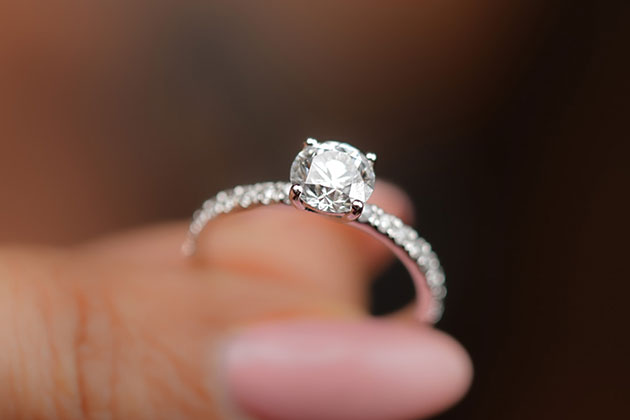
In Western countries, diamonds are almost synonymous with romantic commitment. The tradition of a diamond engagement ring dates back to 1477, when Archduke Maximilian of Austria presented a diamond ring to Mary of Burgundy. The custom gained mainstream momentum in the twentieth century when De Beers launched its iconic "A Diamond is Forever" campaign in 1947, cementing the diamond as the ultimate symbol of enduring love.
Hollywood has amplified this cultural association enormously. From Marilyn Monroe singing "Diamonds Are a Girl's Best Friend" to red-carpet moments dripping in diamond jewellery, the stone has become inseparable from glamour, aspiration and milestone celebrations — engagements, anniversaries and push presents alike.
Today, Western consumers are also leading the shift toward ethical purchasing. Millennials and Gen Z shoppers, in particular, are choosing lab grown diamond engagement rings because they deliver the same optical, chemical and physical properties as mined diamonds — without the environmental and ethical concerns. The result is a generation that honours the romance of the diamond tradition while aligning it with modern values.
Diamonds in Middle Eastern Culture

The Middle East has a long-standing love affair with opulent jewellery, and diamonds sit at the pinnacle of that tradition. In Gulf countries such as the UAE, Saudi Arabia, Qatar and Kuwait, diamond jewellery is both a personal adornment and a store of wealth. Intricate designs featuring diamonds set in Yellow Gold and White Gold are hallmarks of the region's jewellery houses.
Gift-giving is central to Middle Eastern social customs, and diamonds feature prominently during celebrations such as Ramadan, Eid al-Fitr and Eid al-Adha. It is common for husbands to gift diamond rings, earrings and bracelets to their wives during these occasions, and families often present diamond pieces to mark weddings, births and graduations. Royal families across the region are renowned collectors of rare and high-carat diamonds, reinforcing the stone's status as the ultimate luxury symbol.
As sustainability becomes an important conversation in the Middle East, lab grown diamonds are gaining traction among a new generation of discerning buyers who seek luxury without compromise.
Diamonds in East Asian Culture

In China, jade has historically held the position of the most revered gemstone, symbolising virtue, grace and immortality. However, the rapid growth of China's luxury market over the past two decades has elevated diamonds to a prominent position. Diamond engagement rings are now the norm in Chinese weddings — a relatively recent shift driven by Western influence and rising affluence. Young Chinese consumers see diamond jewellery as a marker of personal success and cosmopolitan taste.
In Japan, the diamond engagement ring tradition took hold in the 1960s and 1970s. Today, Japan has one of the highest per-capita rates of diamond ownership in Asia. Japanese consumers are highly quality-conscious, favouring excellent cut grades and minimal inclusions. This precision-minded market is particularly receptive to lab grown diamonds, which consistently achieve top cut and clarity grades thanks to controlled growing conditions.
Across South Korea, Taiwan and Southeast Asia, diamonds are increasingly popular for both engagement jewellery and fashion pieces. Lab grown diamond jewellery appeals to these markets because it offers premium quality at accessible price points — enabling more consumers to participate in the diamond tradition.
Diamonds in African Culture
Africa is the birthplace of many of the world's most famous diamonds. Countries such as South Africa, Botswana, the Democratic Republic of Congo, Angola and Sierra Leone hold vast diamond reserves. The discovery of diamonds in Kimberley, South Africa, in 1867 sparked a global rush and transformed the modern diamond industry.
In many African cultures, diamonds and precious stones are worn during important ceremonies — weddings, chieftaincy installations and coming-of-age celebrations. They symbolise strength, resilience and communal pride. Botswana, in particular, has used its diamond wealth to invest in healthcare, education and infrastructure, demonstrating how diamonds can be a force for national development.
However, the continent's relationship with diamonds has also been marked by the devastating impact of conflict diamonds (sometimes called "blood diamonds"), which funded civil wars in Sierra Leone, Liberia and Angola during the 1990s. The Kimberley Process was established in 2003 to stem the flow of conflict diamonds, but concerns remain. Lab grown diamonds offer a clear ethical alternative — every stone is traceable, conflict-free and produced without mining, giving consumers complete peace of mind about the origins of their jewellery.
The Universal Appeal of Diamonds Across Cultures
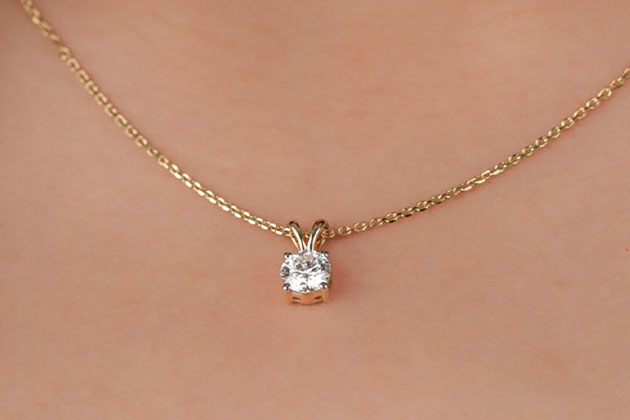
Despite the vast differences between the cultures described above, a few themes remain constant. Diamonds universally symbolise permanence — they are the hardest natural material on Earth, a fitting metaphor for enduring love and unbreakable bonds. They represent achievement and aspiration in every society. And they carry emotional weight: a diamond pendant from a mother, an engagement ring from a partner, or a pair of earrings to celebrate a milestone — these pieces become part of personal and family narratives.
This universal emotional resonance is exactly why diamonds have thrived across geography and time. The stone itself transcends language, religion and borders.

How Lab Grown Diamonds Honour Cultural Traditions Sustainably
Lab grown diamonds are created using advanced technology — either High Pressure High Temperature (HPHT) or Chemical Vapour Deposition (CVD) — that replicates the natural diamond-forming process. The result is a real diamond with the same crystal structure, hardness, brilliance and fire as a mined stone. Independent gemological laboratories such as the IGI and GIA grade lab grown diamonds using the same 4C criteria (Cut, Colour, Clarity, Carat).
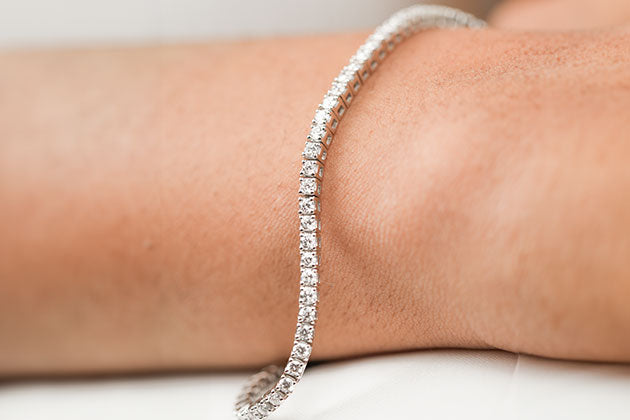
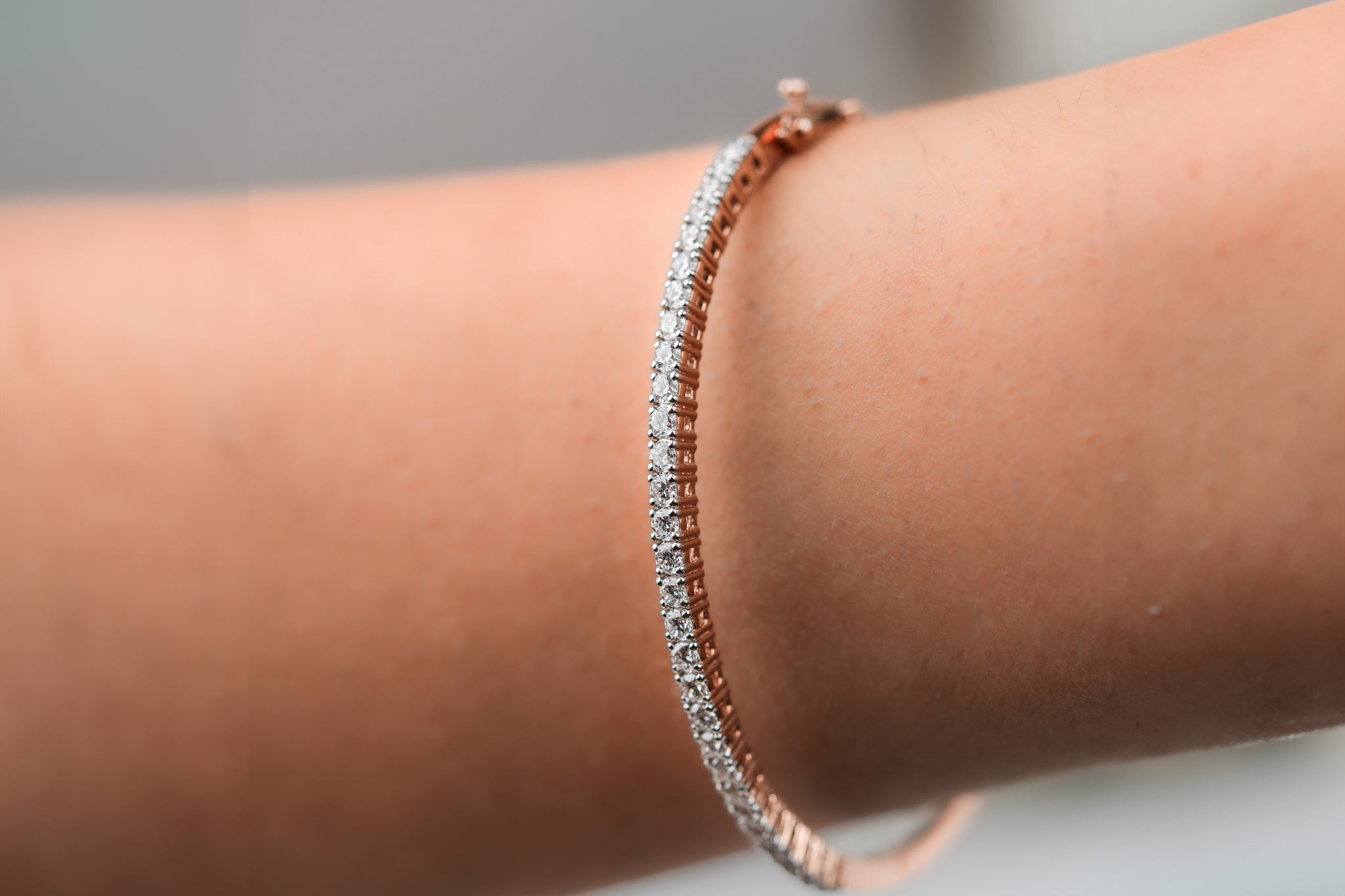
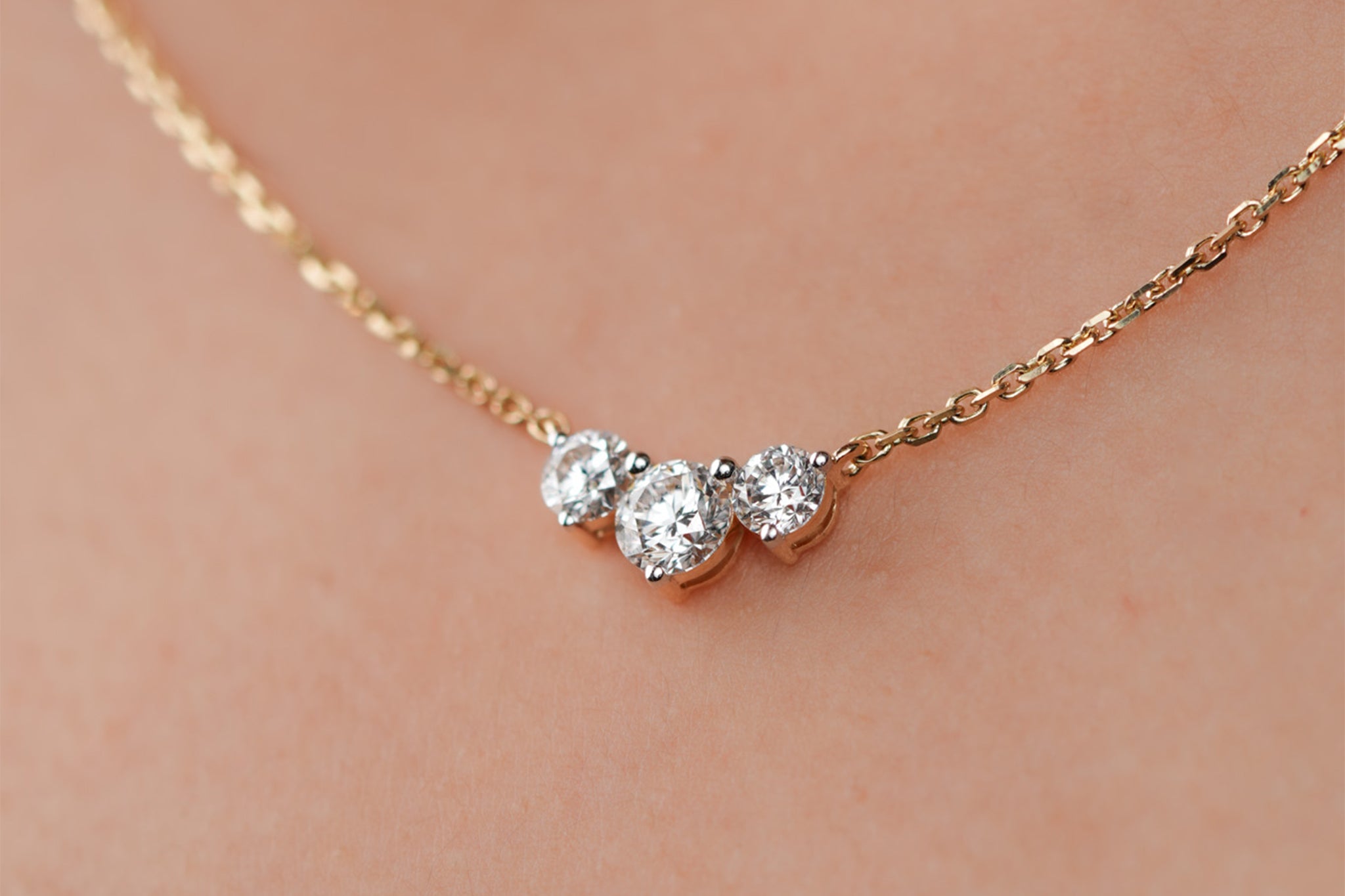
What makes lab grown diamonds culturally significant is that they allow every tradition to continue without the environmental toll of mining. An Indian bride can wear a stunning diamond necklace on her wedding day. A Western couple can exchange diamond engagement rings that symbolise forever. A Middle Eastern family can gift exquisite diamond bracelets during Eid. An East Asian professional can mark career success with a pair of diamond hoops. All of these moments retain their cultural meaning — but now with a reduced environmental footprint and full traceability.

At Blu Diamonds, every piece in our collection is crafted with IGI-certified lab grown diamonds set in recycled precious metals, ensuring that your jewellery is as responsible as it is beautiful.
Frequently Asked Questions
Which culture first discovered diamonds?
India is widely recognised as the first culture to mine and trade diamonds, with records dating back over 2,000 years. Diamonds were found in the alluvial deposits of rivers in central and southern India.
Why are diamonds associated with engagement rings in the West?
The tradition began in 1477 with Archduke Maximilian of Austria. It became mainstream in the mid-twentieth century through De Beers' "A Diamond is Forever" campaign, which linked diamonds permanently to romantic commitment.
Are lab grown diamonds real diamonds?
Yes. Lab grown diamonds have the identical chemical composition (pure carbon), crystal structure and physical properties as mined diamonds. They are graded by the same independent laboratories and are indistinguishable to the naked eye.
Do lab grown diamonds hold cultural significance?
Absolutely. Because lab grown diamonds are real diamonds in every measurable way, they carry the same symbolic weight — love, permanence, achievement — that cultures have assigned to diamonds for centuries. The only difference is a more sustainable and ethical origin.
Why should I choose Blu Diamonds for culturally inspired jewellery?
Blu Diamonds offers a curated collection of lab grown diamond jewellery designed to honour every occasion — from Indian weddings to Western engagements and everything in between. Every piece features IGI-certified diamonds and is crafted with care.
Also Read
Luxury Brand Adoption: How High-End Jewellery Brands Are Embracing Lab Grown Diamonds
Lab Grown Diamonds Take Over: Nearly 45% of Bridal Jewellery Now Features Ethical Sparkle
Editor's Picks: The Season's Best Diamond Jewellery Styles
POPULAR SEARCHES:
Lab Grown Diamond Jewellery,
Lab Grown Diamond Rings,
Lab Grown Diamond Engagement Rings,
Lab Grown Diamond Earrings,
Lab Grown Diamond Hoops,
Lab Grown Diamond Bangles,
Lab Grown Diamond Pendants,
Lab Grown Diamond Necklaces,
Lab Grown Diamond Tennis Bracelets,
Lab Grown Diamond Bracelets
Shop Lab Grown Diamond Jewellery: Rings | Earrings | Pendants | Bracelets | Engagement Rings | Tennis Bracelets | Necklaces | Bangles | Hoops
Read more

5 Trendy Outfit Ideas with Diamond Jewellery For Ramadan
During Ramadan, it's all about growing spiritually, bonding with your community, and showing off your own awesome style too. Blu Diamonds.
Read more
Akshaya Tritiya 2026: Why Lab Grown Diamonds Are the Smartest Buy This Season
Make Akshaya Tritiya truly auspicious with certified lab grown diamond jewellery. Stunning designs, ethical diamonds. Shop Blu Diamonds.
Read more