


Explore The Rich Heritage Of Marathi Traditional Jewellery And Its Enduring Cultural Significance
Maharashtra's vibrant culture is beautifully expressed through its traditional jewellery. These timeless pieces are not merely ornaments; they are embodiments of heritage, spirituality, and craftsmanship. From intricate necklaces to elegant nose rings, Marathi traditional jewellery holds deep-rooted significance in every Maharashtrian woman's life. Whether you are a bride preparing for her big day, a culture enthusiast, or someone drawn to heritage designs, understanding Marathi jewellery opens a window into one of India's most celebrated traditions. Let us explore the most iconic jewellery pieces, their cultural meaning, and how they continue to inspire modern jewellery design.
- The Rich History of Marathi Traditional Jewellery
- Iconic Marathi Jewellery Pieces
- Marathi Bridal Jewellery: A Complete Guide
- The Role of Gold in Maharashtrian Culture
- Modern Interpretations: Lab Grown Diamond Jewellery Meets Marathi Tradition
- Jewellery for Maharashtrian Festivals
- How to Blend Traditional and Contemporary Styles
- Gifting Jewellery for Marathi Weddings and Occasions
- FAQs
The Rich History of Marathi Traditional Jewellery
The history of Marathi traditional jewellery stretches back centuries, deeply intertwined with the Maratha Empire and the Peshwa era. During the reign of Chhatrapati Shivaji Maharaj and the subsequent Peshwa rulers, jewellery became an integral part of courtly life. Gold ornaments were not only markers of wealth and social standing but also symbols of divine blessing and warrior pride.
Marathi jewellery draws inspiration from temple architecture, nature, and Hindu mythology. Motifs of peacocks, lotuses, mango leaves, and deities such as Lakshmi and Ganesh are commonly found across necklaces, earrings, and armlets. The Kolhapur and Pune regions emerged as major centres for goldsmithing, with artisans developing techniques passed down through generations.
What sets Maharashtrian jewellery apart from other Indian traditions is its emphasis on bold yet refined designs. Unlike the heavy Kundan work of Rajasthan or the intricate filigree of Odisha, Marathi jewellery balances weight with wearability, making each piece both ornamental and practical for daily or festive use.
Iconic Marathi Jewellery Pieces
Nath (Nose Ring)
The Brahmani Nath is a crescent-shaped nose ring adorned with pearls and coloured stones, typically red and green. Traditionally worn by brides and during festivals, it represents auspiciousness and grace. It is a standout symbol in Maharashtrian bridal looks. The nath is usually worn on the left nostril and connected to the hair by a delicate chain. In Maharashtrian culture, the size and ornateness of the nath often signify the family's status and the importance of the occasion.
Thushi
A close-fitting choker made of small gold beads, Thushi is lightweight and stylish. Originating in Kolhapur, it is a bridal staple and worn with traditional sarees like Paithani and Nauvari. The Thushi typically features rows of tiny gold beads woven together in a mesh pattern, creating a flexible and comfortable choker that sits beautifully on the collarbone. Modern versions incorporate lab grown diamond accents for added sparkle.
Kolhapuri Saaj

The Kolhapuri Saaj is a traditional necklace consisting of 21 or more leaf-shaped pendants and symbolic motifs. It includes representations of deities and elements of nature, making it both ornamental and spiritual. Each pendant carries a specific meaning — some depict Goddess Lakshmi, while others represent mango leaves symbolising fertility and prosperity. The Kolhapuri Saaj is considered the most sacred of all Maharashtrian necklaces.
Tanmani
The Tanmani is an elegant pendant necklace, often featuring a single large stone — ruby, emerald, or a sparkling diamond — set in gold and surrounded by smaller stones or pearls. It sits gracefully just below the collarbone and is a favourite for festive occasions. The simplicity of the Tanmani makes it one of the most versatile traditional pieces, easily paired with both ethnic and contemporary outfits.
Mohan Mala

The Mohan Mala is made from uniform gold beads arranged in single or multiple strands. It has a classic, timeless appeal and is often layered with other necklaces. The multi-strand version creates a regal, cascading effect that complements the Nauvari saree beautifully.
Laxmi Haar
Featuring coins engraved with the image of Goddess Laxmi, this long necklace symbolises prosperity and divine blessings. It is typically worn during weddings and major festivals. The rhythmic jingling of the coins adds a musical element to the bride's movement, considered auspicious in Maharashtrian tradition.
Chinchpeti
A shorter necklace, Chinchpeti, is similar to a choker and traditionally studded with rubies or other coloured stones. It adds a pop of colour and layers beautifully with longer necklaces like the Laxmi Haar or Mohan Mala.
Bajuband (Vaki / Armlet)
Also called Vaki, the Bajuband is a gold armlet worn on the upper arm. Traditionally worn by brides, it features delicate floral or peacock motifs and enhances the traditional look. The Bajuband is secured with a chain or pin and is believed to improve blood circulation. In royal Maharashtrian portraits, both men and women are depicted wearing ornate bajubands as symbols of valour and nobility.
Bugadi (Ear Ornament)
Unique to Maharashtrian culture, Bugadi is worn on the helix (upper ear cartilage). Usually made of gold and pearls, it is a subtle but culturally rich piece that distinguishes the Maharashtrian bridal look from other Indian traditions.
Kudya (Stud Earrings)

Kudya are classic stud earrings with tiny pearls. These are widely worn with everyday ethnic wear as well as on festive occasions. Their understated elegance makes them a wardrobe essential for Maharashtrian women.
Jodvi (Toe Rings)
Given to the bride by her in-laws during the wedding ceremony, Jodvi are silver toe rings that symbolise a woman's marital status. Wearing silver on the feet is considered beneficial in Ayurvedic traditions, as it is believed to regulate body temperature and promote reproductive health.
Tode and Patlya (Bangles)
Tode are thick, heavy gold bangles usually gifted to brides. They are traditionally handmade and engraved with intricate patterns depicting flowers and paisleys. Patlya are flat gold bangles with carved designs, often worn as a set of four or more, creating a stacked effect that catches light beautifully.
Mangalsutra
The Mangalsutra is a sacred necklace worn by married women. Maharashtrian versions are often simpler than their South Indian counterparts, using two black bead chains connected by a gold pendant, symbolising marital commitment and protection from the evil eye. Today, many brides opt for lab grown diamond pendants set in their mangalsutra for a contemporary touch.
Marathi Bridal Jewellery: A Complete Guide
A Maharashtrian bride's jewellery is one of the most elaborate and layered ensembles in Indian bridal tradition. The complete bridal set, known as the shringar, includes specific pieces for every part of the body — from head to toe.
The typical Maharashtrian bridal jewellery set includes:
- Head: Mundavalya (pearl strings across the forehead) and a bindi
- Ears: Bugadi on the upper ear and Kudya or jhumkas on the lobes
- Nose: Brahmani Nath connected by a chain to the hair
- Neck: Thushi (choker), Kolhapuri Saaj, Tanmani, and Mohan Mala layered together
- Arms: Bajuband on the upper arms
- Wrists: Green glass bangles (chooda), Tode, and Patlya
- Waist: Kamarpatta (waist chain)
- Feet: Jodvi (toe rings) and Payal (anklets)
Each piece is traditionally gifted by either the bride's family or the groom's family, with specific customs governing who gives what. The green glass bangles are particularly significant — they are considered the most auspicious colour for a Maharashtrian bride and are worn throughout married life.
The Role of Gold in Maharashtrian Culture
Gold holds a sacred position in Maharashtrian culture. It is associated with Goddess Lakshmi and is believed to bring prosperity, good fortune, and spiritual merit. The tradition of gifting gold jewellery — especially during weddings — is deeply embedded in Maharashtrian customs.
In Yellow Gold, Maharashtrian artisans have historically excelled. The warm lustre of Yellow Gold complements traditional Paithani sarees and Nauvari drapes perfectly. Rose Gold has also gained popularity among younger Maharashtrian women who appreciate its modern warmth, while White Gold offers a sleek alternative for those who prefer understated elegance.
Buying gold on auspicious days like Akshaya Tritiya, Dhanteras, and Gudi Padwa is a cherished tradition. Many families maintain a practice of adding at least one gold ornament to their collection each year, viewing it as both a spiritual duty and a sound financial investment.
Modern Interpretations: Lab Grown Diamond Jewellery Meets Marathi Tradition
The beauty of Marathi traditional jewellery lies in its ability to evolve while honouring its roots. Today, forward-thinking jewellers are reimagining classic Maharashtrian designs using lab grown diamond jewellery — offering the same brilliance as mined diamonds at a fraction of the environmental and financial cost.
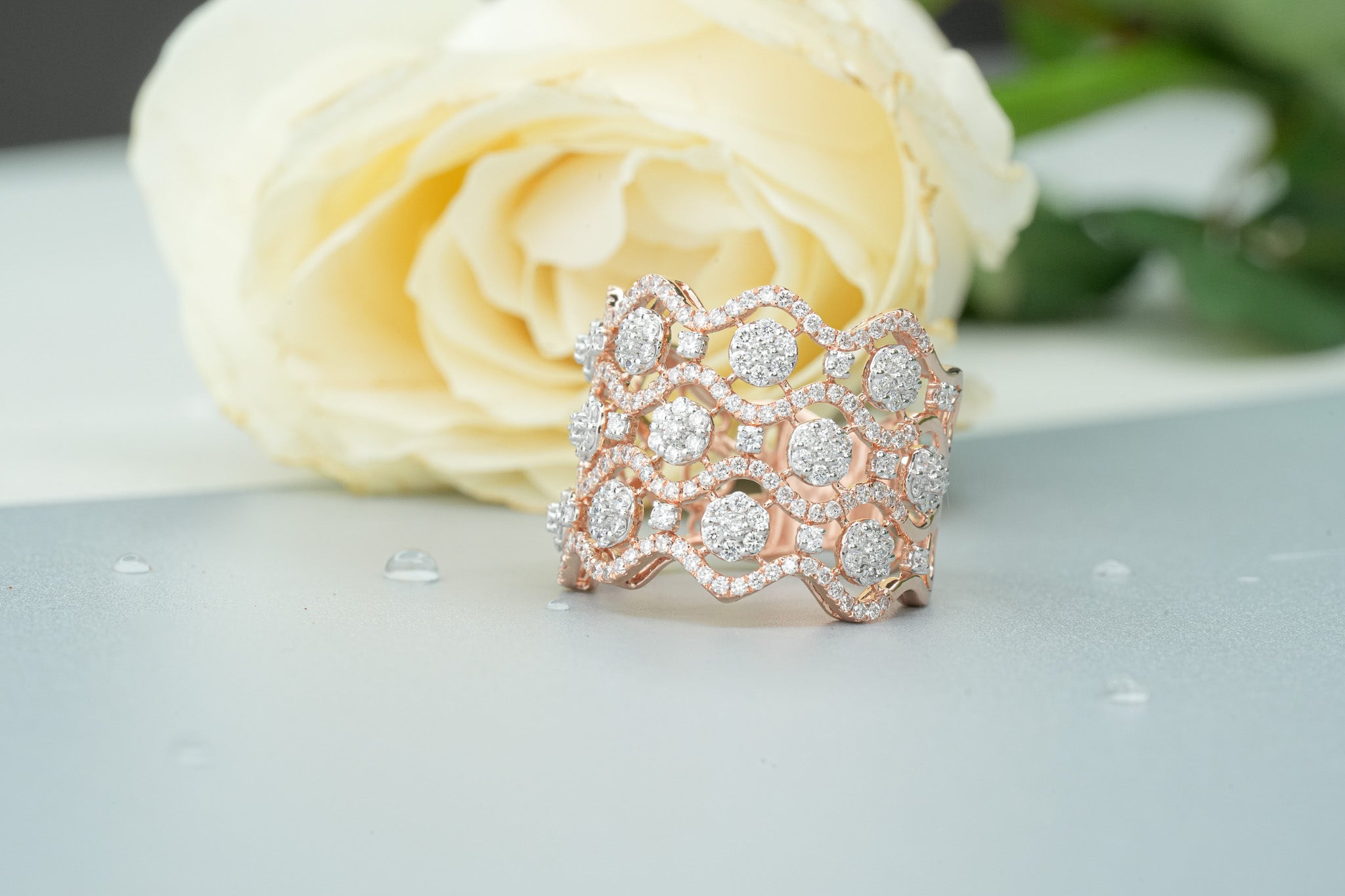
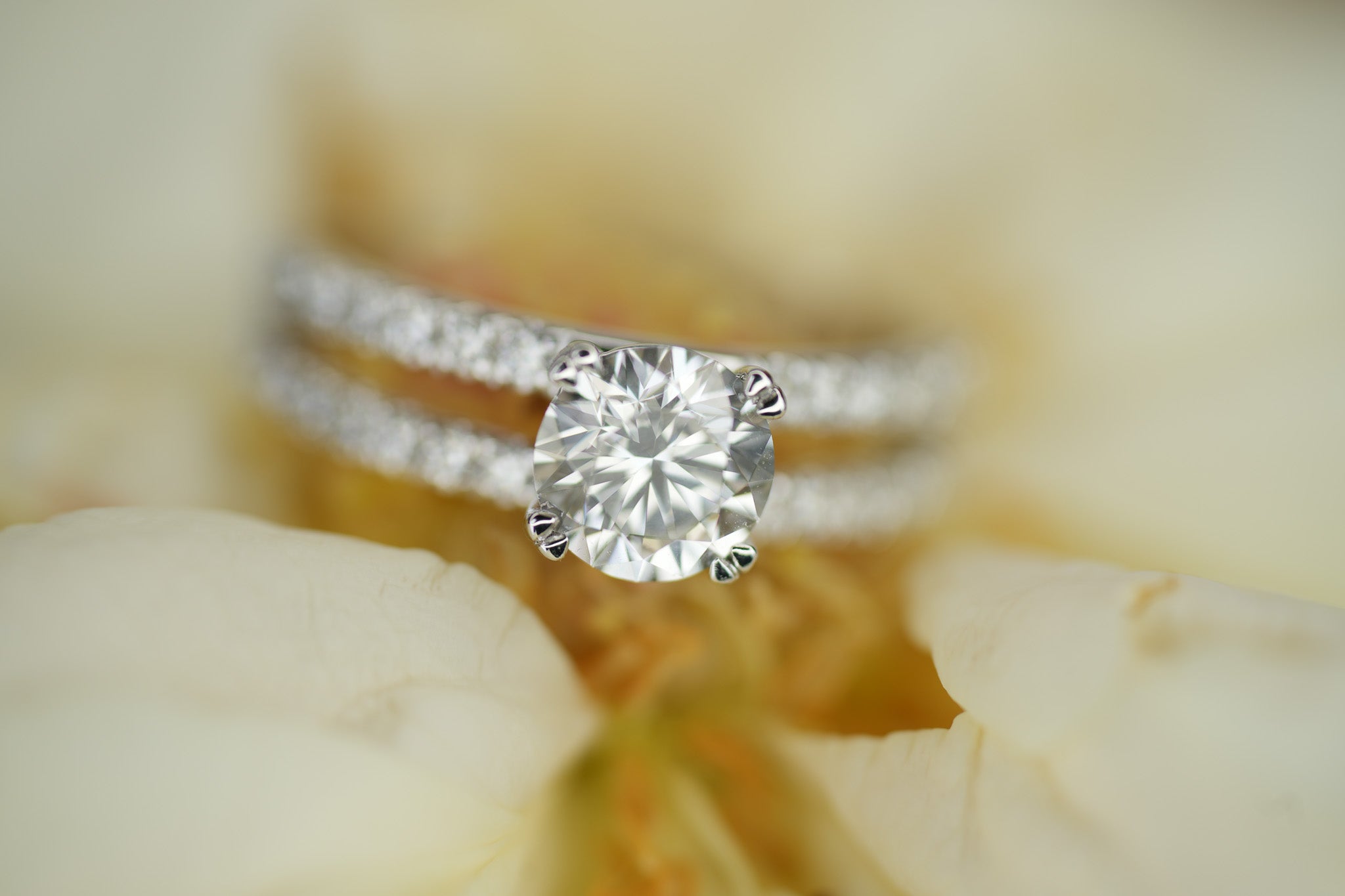
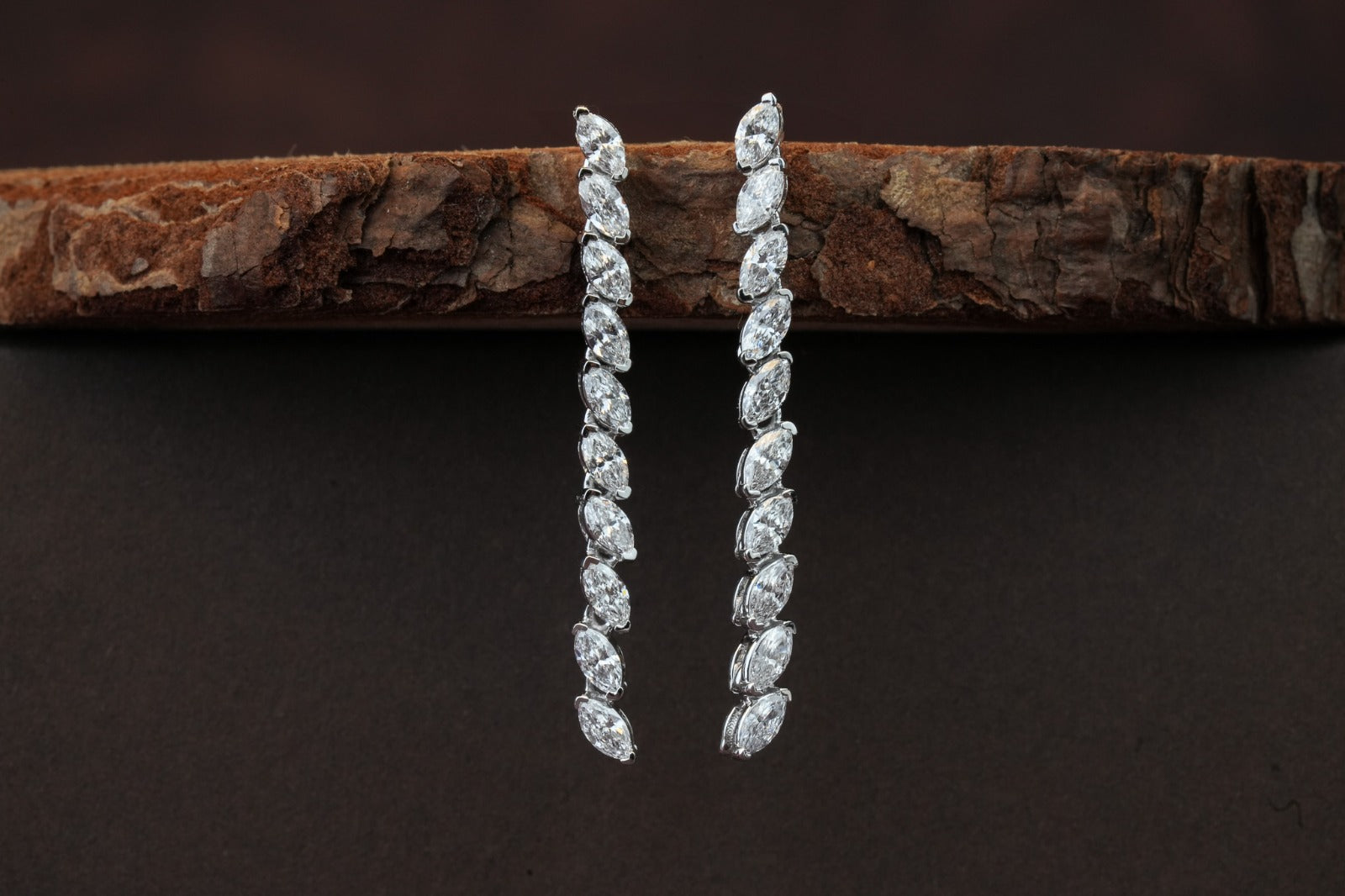
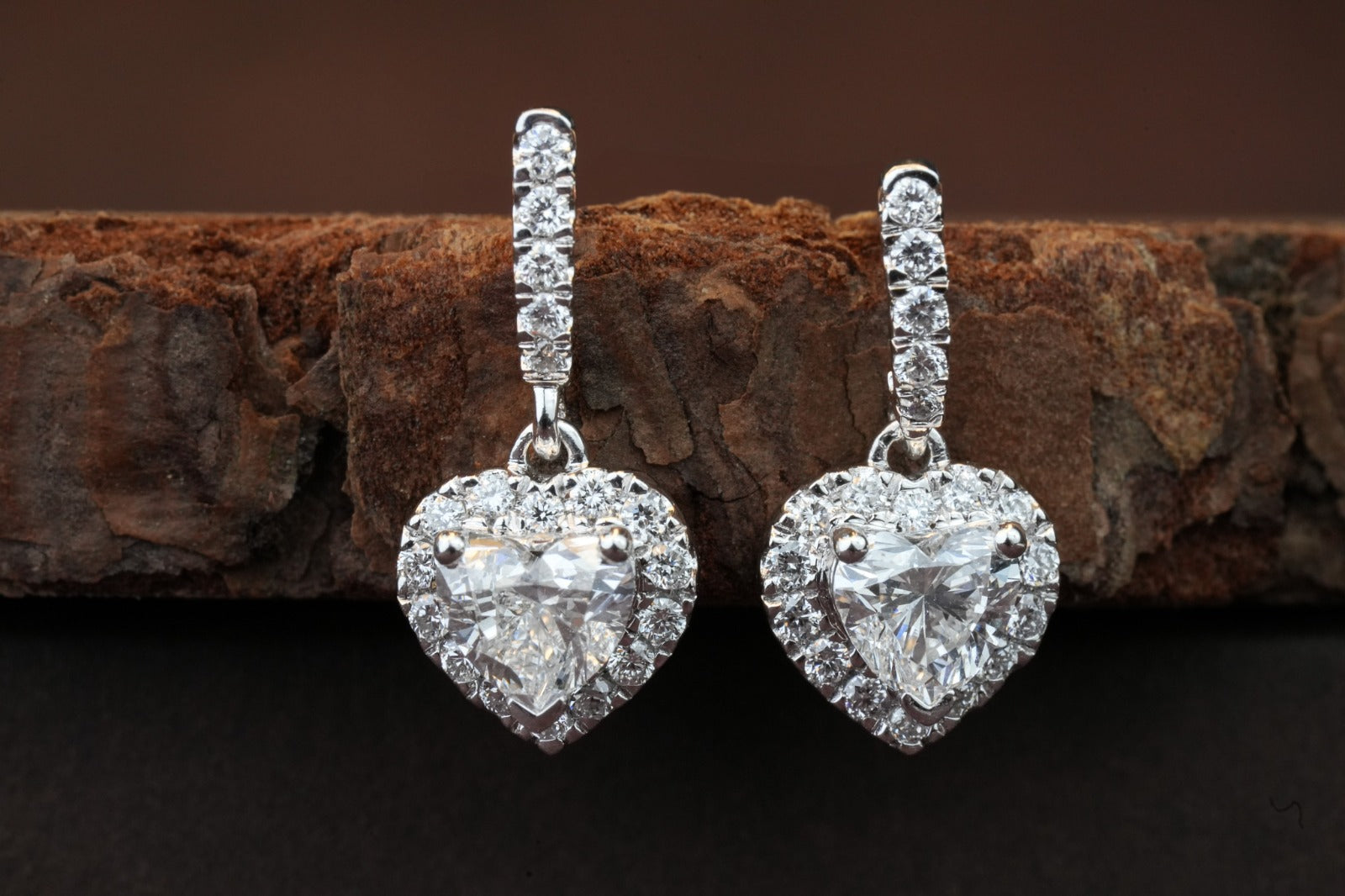
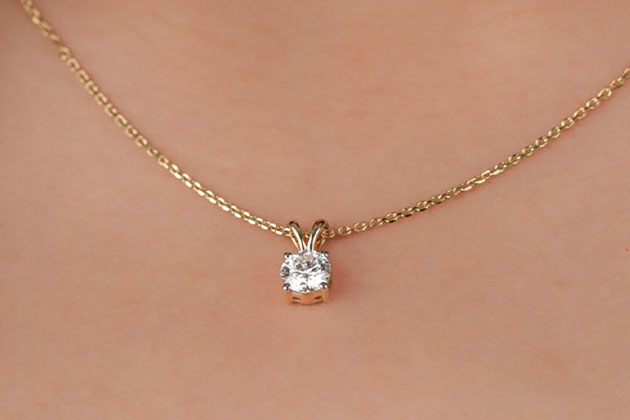
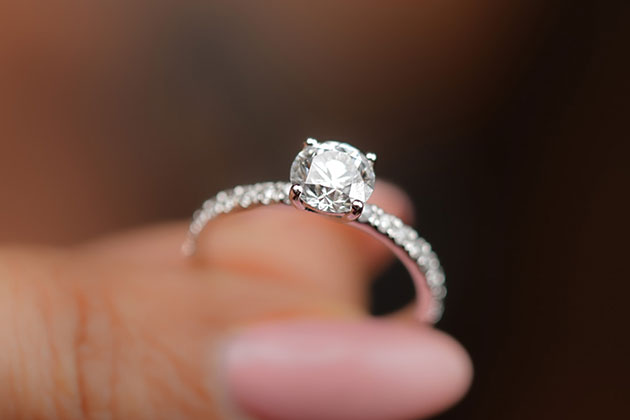
Imagine a classic Tanmani pendant set with a stunning lab grown diamond centre stone, or a modern Thushi-inspired choker accented with lab grown diamond earrings to complete the look. Lab grown diamond rings inspired by traditional Maharashtrian motifs make perfect engagement rings for couples who value both heritage and sustainability.
At Blu Diamonds, we celebrate this fusion of tradition and innovation. Our collections feature pieces that draw from the elegance of Marathi craftsmanship while using ethically sourced lab grown diamonds. From solitaire rings that echo the simplicity of a Tanmani to diamond bangles inspired by the grandeur of Tode, there is something for every occasion.
Visit our store at R City Mall, Mumbai to explore how traditional Maharashtrian design sensibilities come alive in our lab grown diamond collections.
Jewellery for Maharashtrian Festivals
Maharashtra's festival calendar offers numerous occasions to celebrate with jewellery. Each festival carries its own traditions around adornment:
Gudi Padwa (Maharashtrian New Year): Women wear traditional jewellery with a new Paithani saree. It is considered auspicious to buy gold on this day. A layered look with a Thushi and Tanmani paired with lab grown diamond pendants creates a perfect festive ensemble.
Ganesh Chaturthi: The most beloved festival in Maharashtra, Ganesh Chaturthi calls for full traditional attire. Women wear their finest Kolhapuri Saaj and Nath, while modern celebrants add subtle diamond accents. Lab grown diamond stud earrings pair beautifully with traditional necklaces during the eleven-day celebration.
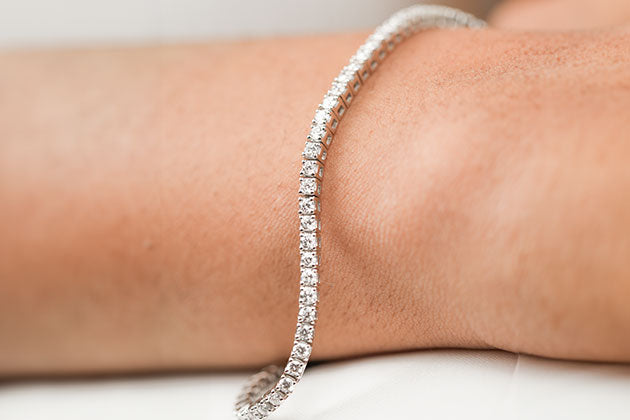
Diwali and Dhanteras: Diwali is Maharashtra's biggest shopping season for jewellery. Dhanteras, which falls two days before Diwali, is traditionally the most auspicious day to purchase gold and diamond jewellery. Many families invest in lab grown diamond bracelets or tennis bracelets as modern Dhanteras purchases.
Makar Sankranti: Known as Til-Gul in Maharashtra, this harvest festival sees women exchanging jewellery gifts. Black bead necklaces and gold ornaments are especially popular during this celebration of warmth and togetherness.
How to Blend Traditional and Contemporary Styles
One of the most exciting trends in Maharashtrian fashion is the art of mixing traditional jewellery with modern pieces. Here are some styling tips:
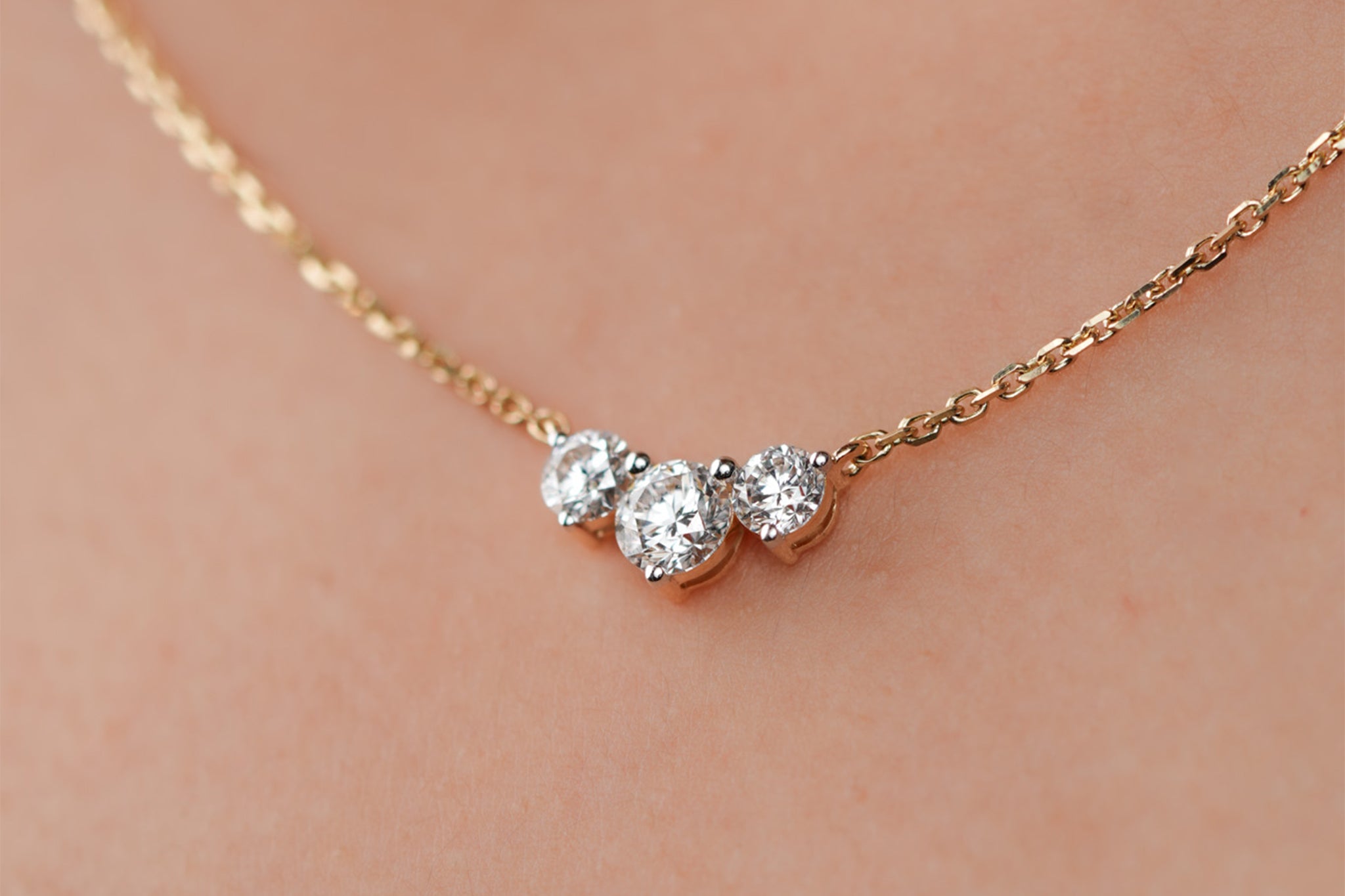
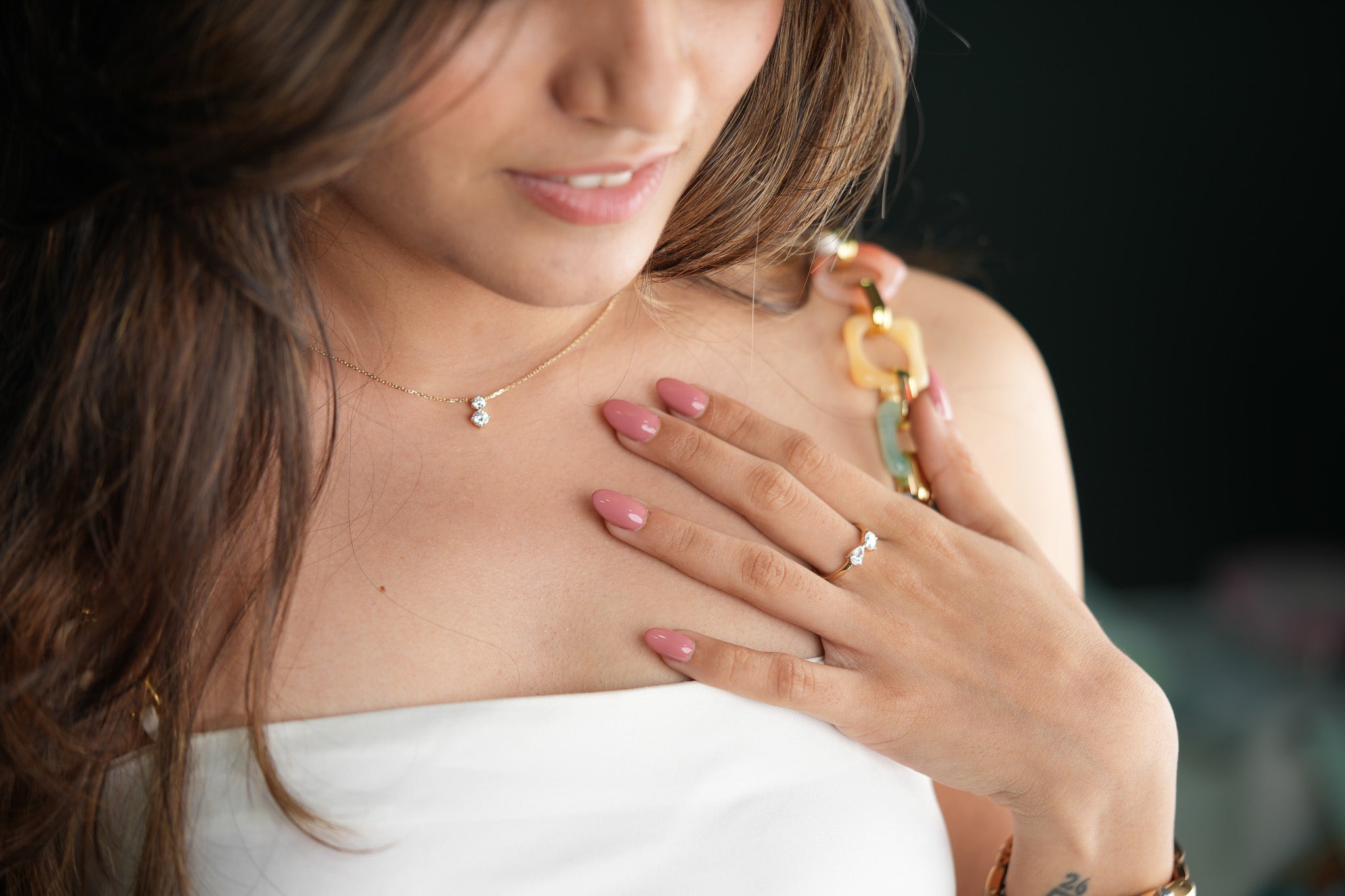
- Layer thoughtfully: Pair a classic Thushi choker with a delicate lab grown diamond pendant on a fine chain for a layered look that bridges both worlds.
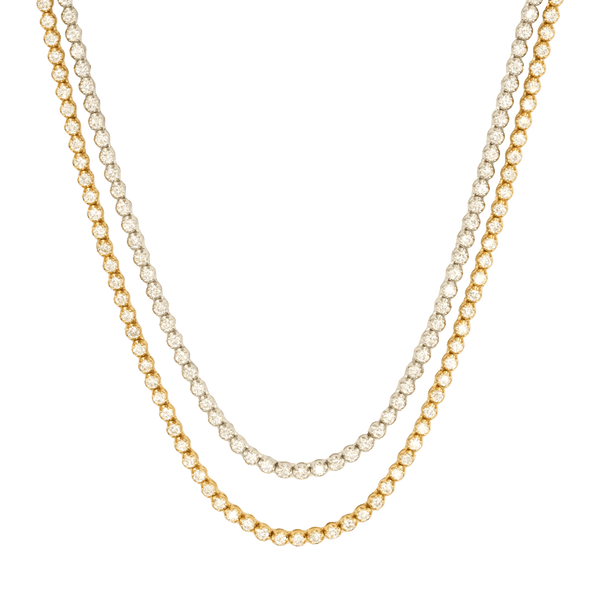
- Mix metals mindfully: Traditional Yellow Gold pieces work beautifully alongside White Gold or Rose Gold diamond jewellery when balanced properly.
- Modern earrings with traditional neckpieces: Swap heavy traditional earrings for sleek lab grown diamond solitaire studs when wearing a statement Kolhapuri Saaj.
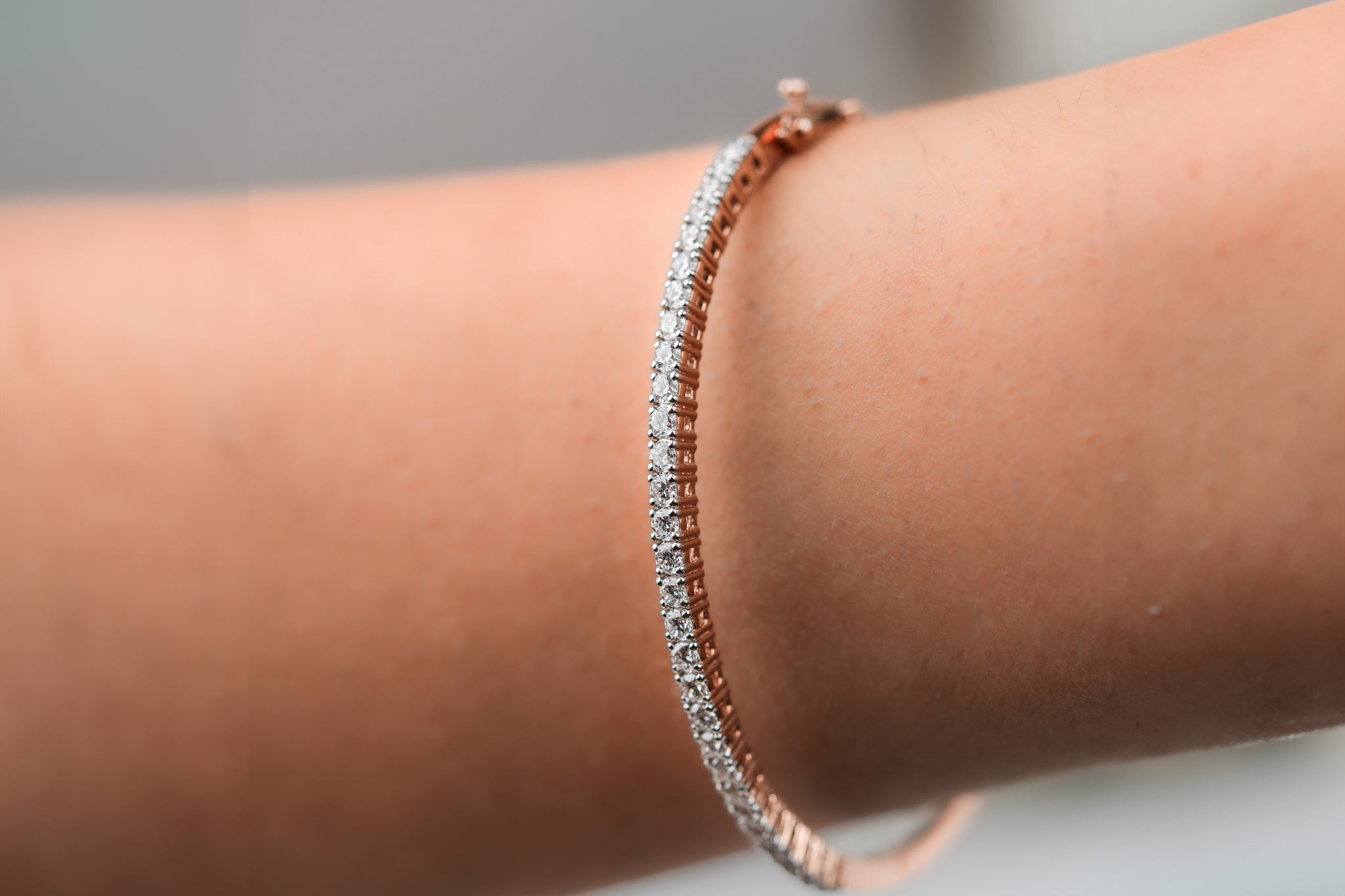
- Contemporary bangles: Stack a single Tode with lab grown diamond bangles for a fresh take on traditional wristwear.
- Everyday heritage: Wear daily wear diamond earrings inspired by Kudya designs for an everyday connection to Maharashtrian heritage.
The key is to let one category of jewellery — either traditional or contemporary — take the lead, while the other plays a supporting role.
Gifting Jewellery for Marathi Weddings and Occasions
Jewellery gifting is a deeply meaningful tradition in Maharashtrian families. Understanding the customs helps you choose gifts that are both appropriate and cherished:
For the bride (from her family): The bride's family traditionally gifts the Mangalsutra, green glass bangles, Nath, and a portion of the gold jewellery set. Modern families increasingly include lab grown diamond engagement rings as part of the bridal trousseau.
For the bride (from the groom's family): The Jodvi (toe rings), Tode (gold bangles), and often the Kolhapuri Saaj come from the groom's side. These gifts symbolise the bride's welcome into her new family.
For Haldi and Mehendi ceremonies: Lighter jewellery pieces like lab grown diamond hoops or delicate bracelets make perfect gifts for the bride during pre-wedding celebrations.
For anniversaries and milestones: Marking wedding anniversaries with jewellery is a cherished Maharashtrian custom. A lab grown diamond solitaire ring or an elegant diamond bracelet makes a meaningful anniversary gift that blends tradition with modern luxury.
FAQs
What is the most important piece of Maharashtrian bridal jewellery?
The Mangalsutra and the Nath (nose ring) are considered the most significant. The Mangalsutra represents the sacred bond of marriage, while the Brahmani Nath is the most visually iconic element of a Maharashtrian bride's look.
What is a Kolhapuri Saaj?
The Kolhapuri Saaj is a traditional gold necklace originating from Kolhapur, Maharashtra. It consists of 21 or more leaf-shaped pendants with motifs of deities and nature symbols. It is one of the most sacred necklaces in Maharashtrian culture.
Can I wear traditional Marathi jewellery with Western outfits?
Absolutely. Pieces like the Tanmani pendant, Kudya studs, and single-strand Mohan Mala work wonderfully with Western and Indo-Western outfits. The key is to choose one statement traditional piece and keep the rest minimal.
How do lab grown diamonds complement traditional Maharashtrian jewellery?
Lab grown diamonds offer the same brilliance, hardness, and beauty as mined diamonds. They can be set into traditional designs like Tanmani pendants, modern interpretations of Thushi chokers, and bridal mangalsutras, giving classic pieces a contemporary sparkle while being ethical and affordable.
Where can I buy lab grown diamond jewellery in Mumbai?
Blu Diamonds offers a wide range of lab grown diamond jewellery at our store in R City Mall, Mumbai. You can also shop online at www.bludiamonds.com for rings, earrings, pendants, bracelets, and bangles.
What jewellery should I gift for a Maharashtrian wedding?
Traditional gifts include gold bangles, necklaces, or earrings. For a modern touch, consider gifting lab grown diamond rings, diamond earrings, or diamond bracelets from Blu Diamonds.
From the elegant Thushi and spiritually symbolic Kolhapuri Saaj to the iconic Brahmani Nath and understated Jodvi, Maharashtrian traditional jewellery reflects a legacy of grace, belief, and beauty. Whether you are a bride, a culture enthusiast, or someone simply drawn to heritage designs, these jewellery pieces tell stories that go beyond their glitter.
Wearing them is more than fashion — it is wearing tradition, history, and identity. And with the advent of lab grown diamond jewellery, these timeless traditions are finding new expressions that honour the past while embracing the future.
Also Read:
Evil Eye Jewellery - What Does It Mean
Lab Grown Diamonds Take Over: Nearly 45% of Bridal Jewellery Now Features Ethical Sparkle
How to Choose the Perfect Necklace for Different Necklines
POPULAR SEARCHES: Lab Grown Diamond Jewellery, Lab Grown Diamond Rings, Lab Grown Diamond Solitaire Ring, Lab Grown Diamond Engagement Rings, Lab Grown Diamond Earrings, Lab Grown Diamond Stud Earrings, Lab Grown Diamond Hoops, Lab Grown Diamond Daily Wear Earrings, Lab Grown Diamond Bracelet, Lab Grown Diamond Tennis Bracelets, Lab Grown Diamond Bangles, Lab Grown Diamond Pendants
Shop Lab Grown Diamond Jewellery: Rings | Earrings | Pendants | Bracelets | Engagement Rings | Tennis Bracelets
Read more
Karat vs Carat: What’s the Real Difference and Why It Matters
Karat vs carat — two similar words with completely different meanings. Understand gold purity vs diamond weight before your next jewellery purchase.
Read more
Thoughtful Jewellery Gifts for Your Sister That She’ll Treasure Forever
Thoughtful jewellery gifts your sister will actually treasure — from delicate pendants to diamond studs. Find the perfect piece at Blu Diamonds.
Read more