

The Economics of Lab Grown Diamonds: Are They More Affordable?
One of the most common questions about lab grown diamonds is straightforward: are they actually more affordable? The short answer is yes — significantly so. But the economics behind this price difference are more nuanced than simply "they cost less to make."
In this guide, we break down the real economics of lab grown diamonds — why they cost what they do, how they compare to mined diamonds, and what smart buyers should know about pricing.
Why Lab Grown Diamonds Cost Less
Lab grown diamonds are typically 40-70% less expensive than mined diamonds of equivalent quality. This is not because they are inferior — they are chemically, physically, and optically identical. The cost difference comes from the fundamentally different production process.
Shorter supply chain: Mined diamonds pass through 8-12 intermediaries from mine to consumer — miners, rough dealers, cutters, polishers, wholesalers, distributors, and retailers. Each adds a margin. Lab grown diamonds have a much shorter chain: laboratory to cutter to brand to consumer.
No exploration costs: Mining companies spend hundreds of millions on geological surveys, exploration, and mine development before extracting a single diamond. These costs are amortised across all diamonds produced. Lab grown diamonds require factory setup costs that are modest by comparison.
Predictable production: Mining is inherently unpredictable — the quality and quantity of diamonds in any deposit is uncertain. Lab grown diamond production is controlled, consistent, and scalable. This predictability reduces waste and lowers per-unit costs.
Lower overhead: No massive mining operations, no heavy diesel machinery fleets, no extensive security infrastructure, no complex international logistics. The operational footprint of a lab is a fraction of a mine.
Price Comparison: Lab Grown vs Mined Diamonds
Here is what the same quality diamond typically costs across both categories (IGI certified, set in 14kt gold ring):
0.50 carat, G colour, VS1 clarity:
- Mined diamond ring: ₹80,000 – ₹1,20,000
- Lab grown diamond ring: ₹20,000 – ₹40,000
- Savings: ~60-70%

1.00 carat, G colour, VS1 clarity:
- Mined diamond ring: ₹2,50,000 – ₹4,00,000
- Lab grown diamond ring: ₹50,000 – ₹80,000
- Savings: ~70-80%
2.00 carat, G colour, VS1 clarity:

- Mined diamond ring: ₹8,00,000 – ₹15,00,000
- Lab grown diamond ring: ₹1,50,000 – ₹3,00,000
- Savings: ~75-80%
The savings become more dramatic at higher carat weights, where mined diamond prices increase exponentially.
The 4Cs and Their Impact on Pricing
Like mined diamonds, lab grown diamond prices are driven by the 4Cs — Cut, Colour, Clarity, and Carat weight. Understanding how each factor affects price helps you optimise your purchase.
Cut: A diamond's cut determines how well it reflects light. Excellent cut diamonds command a premium, but the premium is justified — a well-cut diamond sparkles dramatically more than a mediocre cut. Never compromise on cut quality.
Colour: The difference between D (colourless) and G (near-colourless) can be 20-30% in price, yet most people cannot see the difference without controlled comparison. G-H colour offers the best value for most buyers.
Clarity: VS1-VS2 grades have inclusions invisible to the naked eye but cost significantly less than VVS or Flawless grades. Unless you are buying for a microscope, VS clarity is the sweet spot.
Carat: Price per carat increases at key weight thresholds (0.50ct, 0.75ct, 1.00ct, 1.50ct, 2.00ct). A 0.97ct diamond can cost substantially less than a 1.03ct diamond of identical quality. Smart buyers look just below these thresholds for maximum value.
Are Lab Grown Diamonds Getting Cheaper?
Lab grown diamond prices have decreased over the past few years as production technology has improved and competition has increased. However, several factors are stabilising jewellery prices:
- Gold price increases: Gold prices have risen significantly, offsetting diamond cost reductions. The gold setting often represents 30-50% of the total jewellery cost.
- Quality improvements: As technology improves, producers are creating higher-quality diamonds (better colour and clarity), which command higher per-carat prices.
- Brand investment: Established brands invest in design, certification, customer experience, and after-sales service — all of which add value beyond the raw diamond cost.
The bottom line: lab grown diamond jewellery offers excellent value today, and there is little reason to wait for further price drops.
Total Cost of Ownership
The purchase price is not the only cost to consider. Here is the total cost picture:

Insurance: Lab grown diamond jewellery costs significantly less to insure than equivalent mined diamond pieces. Lower replacement value means lower premiums.

Maintenance: Identical to mined diamonds. Annual prong checks (₹500-1,000), professional cleaning (₹300-500), and any rhodium replating for white gold (₹1,000-2,000 every 2-3 years).
Resale value: Lab grown diamonds currently have a limited resale market compared to mined diamonds. However, if you are buying jewellery to wear and enjoy rather than as an investment, this is largely irrelevant. Read our honest guide on lab grown diamond resale value.
Smart Buying Tips for Maximum Value
- Prioritise cut over everything: A well-cut 0.80ct diamond will outshine a poorly cut 1.00ct diamond every time
- Choose G-H colour: Saves 20-30% versus D-F with no visible difference to the naked eye
- Go VS1-VS2 clarity: Eye-clean at a fraction of VVS/Flawless pricing
- Buy just below threshold weights: 0.47ct instead of 0.50ct, 0.95ct instead of 1.00ct for identical visual size at lower price
- Consider fancy shapes: Ovals, cushions, and pears are 15-30% cheaper per carat than round brilliants and often appear larger
- Insist on certification: IGI or SGL certification ensures you are comparing apples to apples across brands
- Check total price: Ensure the quoted price includes diamond, gold, certification, and making charges with no hidden extras
The Value Proposition of Lab Grown Diamonds
Lab grown diamonds are not "cheap diamonds" — they are the same diamonds at a fair price. The mined diamond industry's pricing has always reflected artificial scarcity, complex supply chains, and decades of marketing rather than intrinsic material worth.
Lab grown diamonds strip away these inflated costs and offer the diamond itself — real, certified, beautiful — at a price that reflects actual production economics. That is not cutting corners. That is honest value.
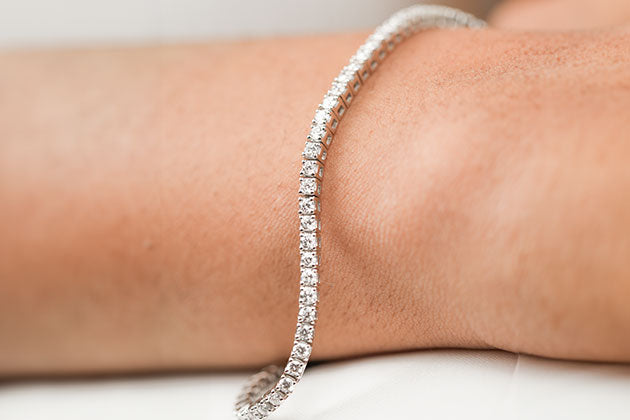
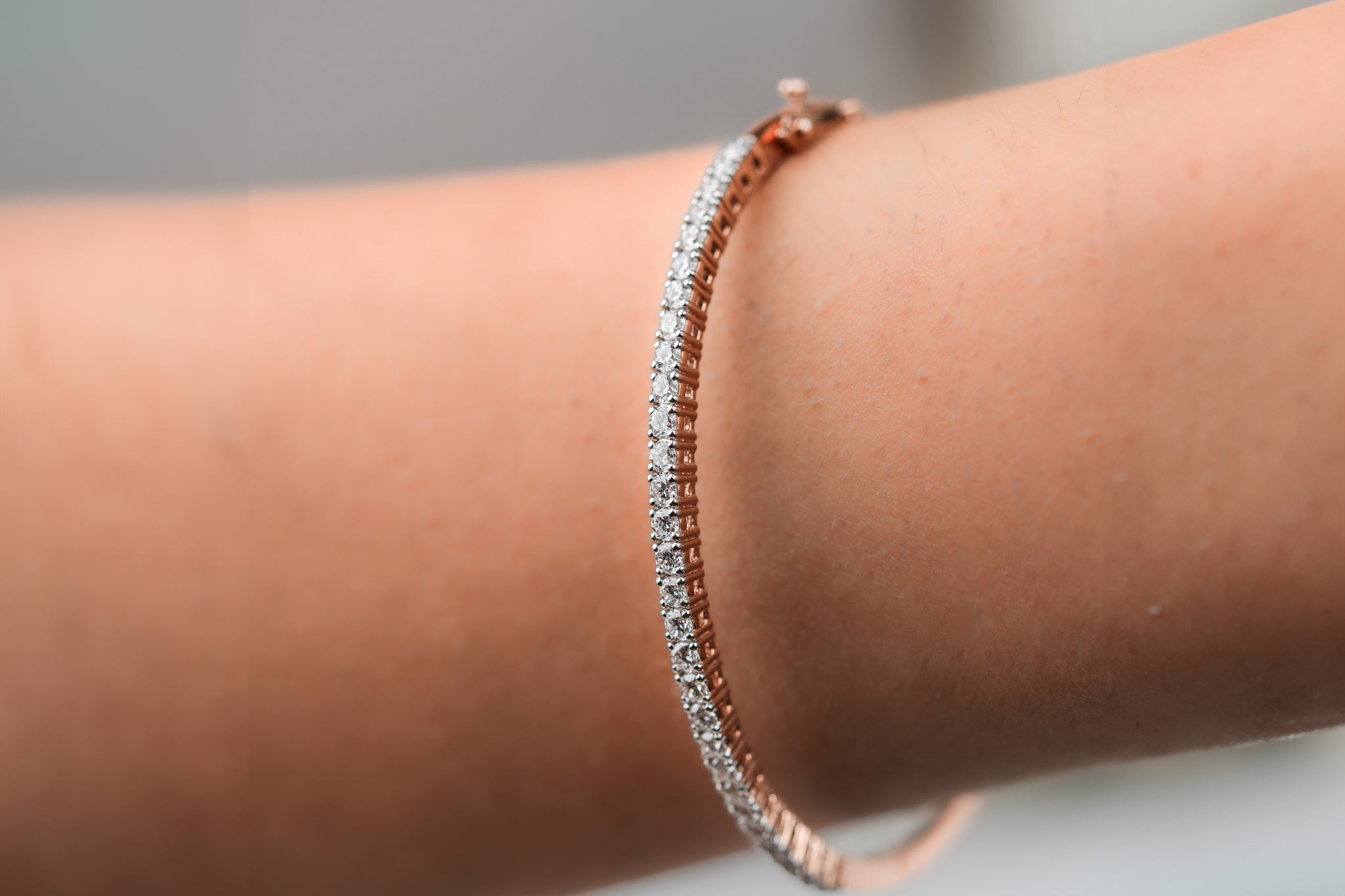
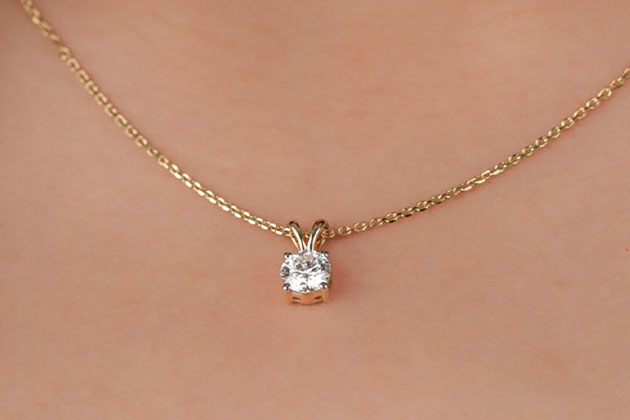
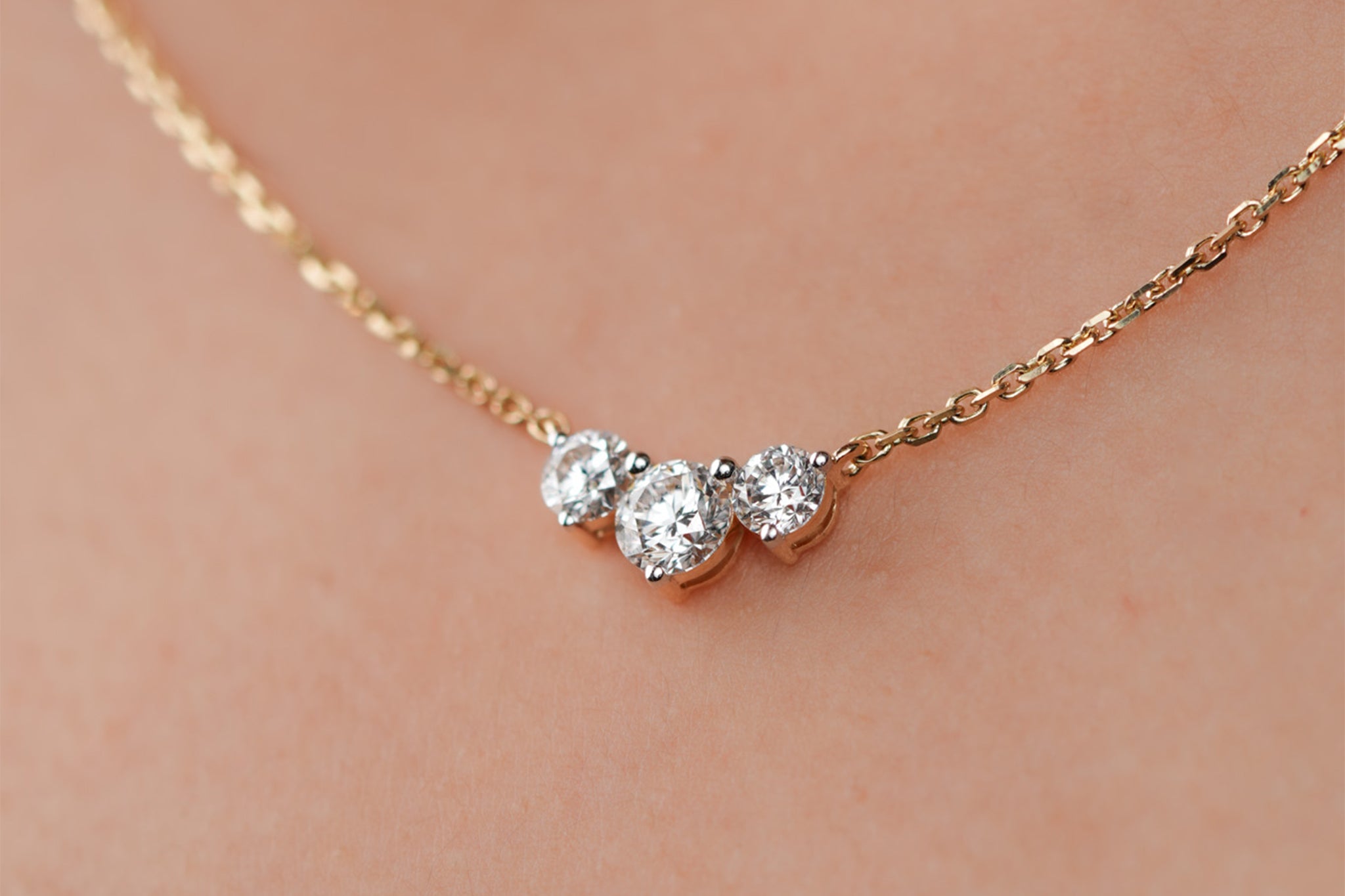
Explore our certified collection at Blu Diamonds: rings, earrings, pendants, and bracelets — all with transparent, all-inclusive pricing.
Frequently Asked Questions
Are lab grown diamonds actually cheaper than mined?
Yes, by 40-70% for equivalent quality. The savings come from a shorter supply chain, no mining costs, and more efficient production — not from inferior quality.
Will lab grown diamonds hold value?
Lab grown diamonds should be appreciated as jewellery, not financial investments. Their value lies in beauty, quality, and the joy of wearing them. For investment analysis, read our resale value guide.
What is the best budget for a lab grown diamond engagement ring?
₹30,000-80,000 gets you a beautiful 0.50-1.00ct IGI certified solitaire in 14kt gold at Blu Diamonds. This is the range where most of our engagement ring buyers find their perfect piece.
Shop Lab Grown Diamond Jewellery
Rings | Earrings | Pendants | Bracelets | Engagement Rings | Tennis Bracelets
Read more
Last-Minute Rakhi Gift Ideas: Stunning Lab Grown Diamond Jewellery from Blu Diamonds
Rakhi, or Raksha Bandhan, is a cherished festival that celebrates the bond between siblings. Blu Diamonds.
Read more
Which Indian Brand Sells Lab Grown Diamond Jewellery?
In recent years, lab grown diamonds have gained popularity for their beauty, sustainability, and ethical appeal. Blu Diamonds.
Read more