


IGI vs SGL vs GIA: Which Diamond Certificate Should You Trust? (2026 Guide)
If you've spent more than ten minutes researching lab grown diamonds, you've already come across these three acronyms. IGI. SGL. GIA. They appear on certificates, in product listings, in marketing copy. Everyone says their diamonds are "certified." But what does that actually mean — and does it matter which lab did the certifying?
It matters. A lot. Here's why.
What a Diamond Certificate Actually Is
A diamond grading report — people call them "certificates" though labs prefer "reports" — is an independent third party's assessment of a specific diamond's characteristics. The 4Cs: cut, colour, clarity, carat. Plus additional technical data like fluorescence, polish, symmetry, and a plotting diagram of any inclusions.
The word "independent" is doing the heavy lifting there. The value of any certificate depends entirely on the credibility and consistency of the lab that issued it. A certificate from a lab with questionable standards isn't a neutral document — it's a liability dressed up as assurance.
So let's look at the three labs that matter for the Indian market.
IGI — International Gemological Institute
Founded: 1975, Antwerp Belgium | India offices: Mumbai, Delhi
IGI is the dominant certification body for lab grown diamonds globally — approximately 65% global market share for lab grown diamond certification. That number isn't an accident.
IGI moved into lab grown certification early and invested seriously in building the infrastructure to do it well. When the lab grown market started scaling rapidly, IGI was already positioned with the expertise, the equipment, and the credibility to handle volume without sacrificing rigour. The result: if you're buying a lab grown solitaire anywhere in the world, there's a better-than-even chance it carries an IGI certificate.
In India specifically, IGI has been grading natural diamonds for decades. That familiarity matters. The jeweller, the consumer, and if it ever comes to it, a resale buyer — all of them recognise an IGI report and know what it means.
At Blu Diamonds, every solitaire diamond we sell is IGI certified. We chose IGI because their grading consistency for lab grown solitaires is the standard against which other labs are measured. When we stake our reputation on a stone's specifications, we want the world's leading lab grown certification body behind that claim.
SGL — Solitaire Gemmological Laboratories
Founded: 2007, London UK | Presence: 5 countries, 23 locations
SGL is a different kind of institution. London-headquartered, operating across 5 countries with 23 locations. They've made AI-powered grading a centrepiece of their technology — which in practice means tighter consistency across high volumes because parts of the grading process are systematised rather than left entirely to individual evaluator judgment.
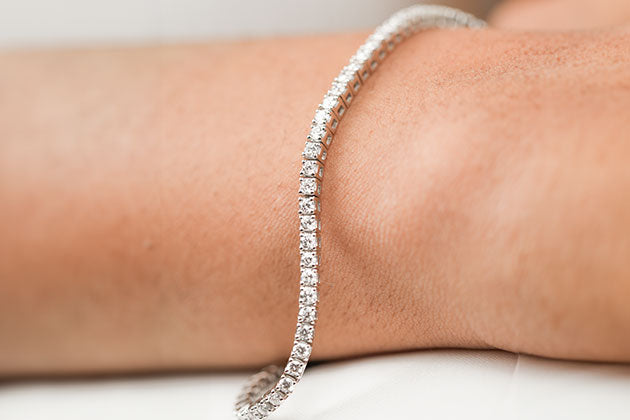
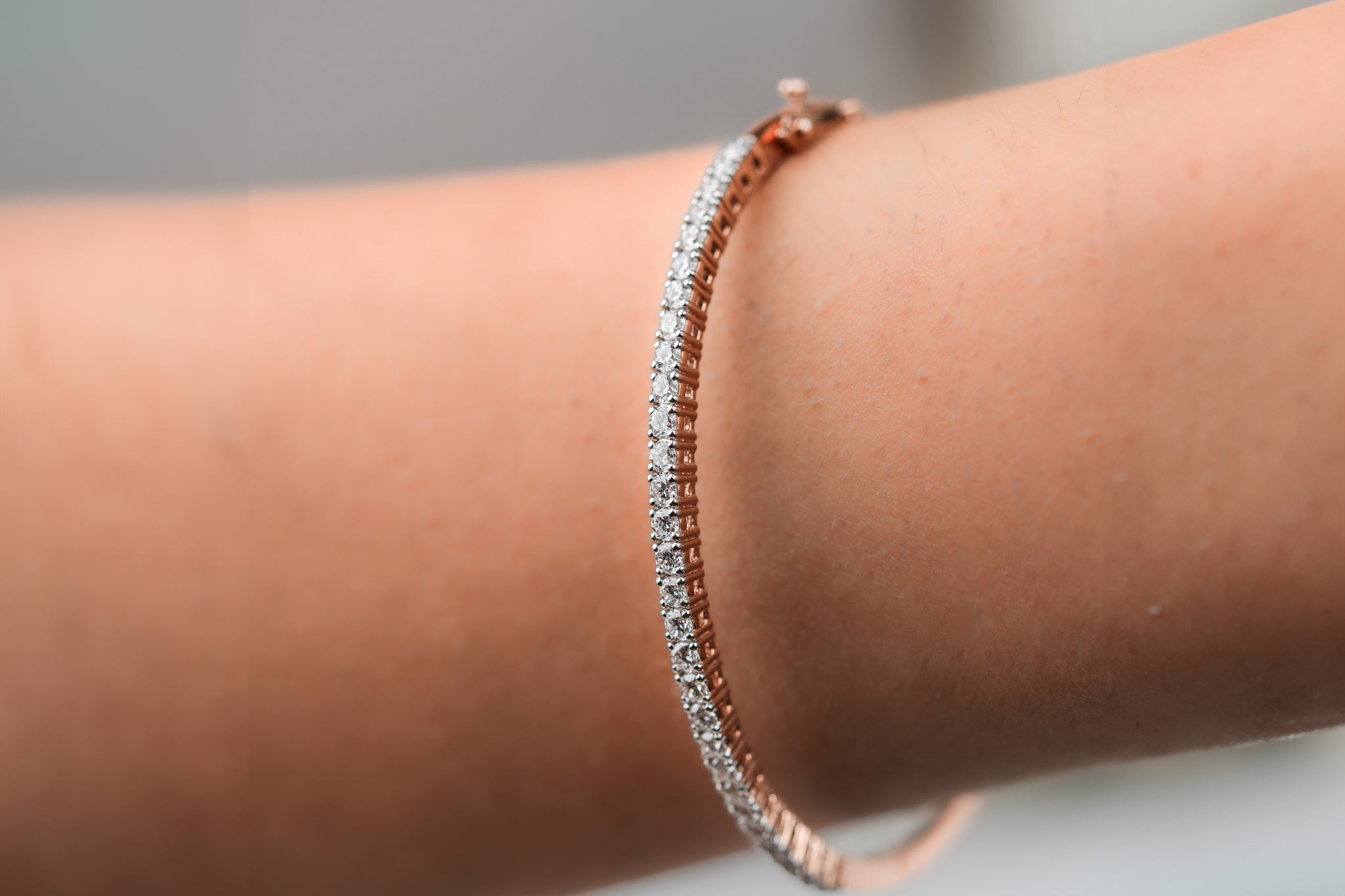
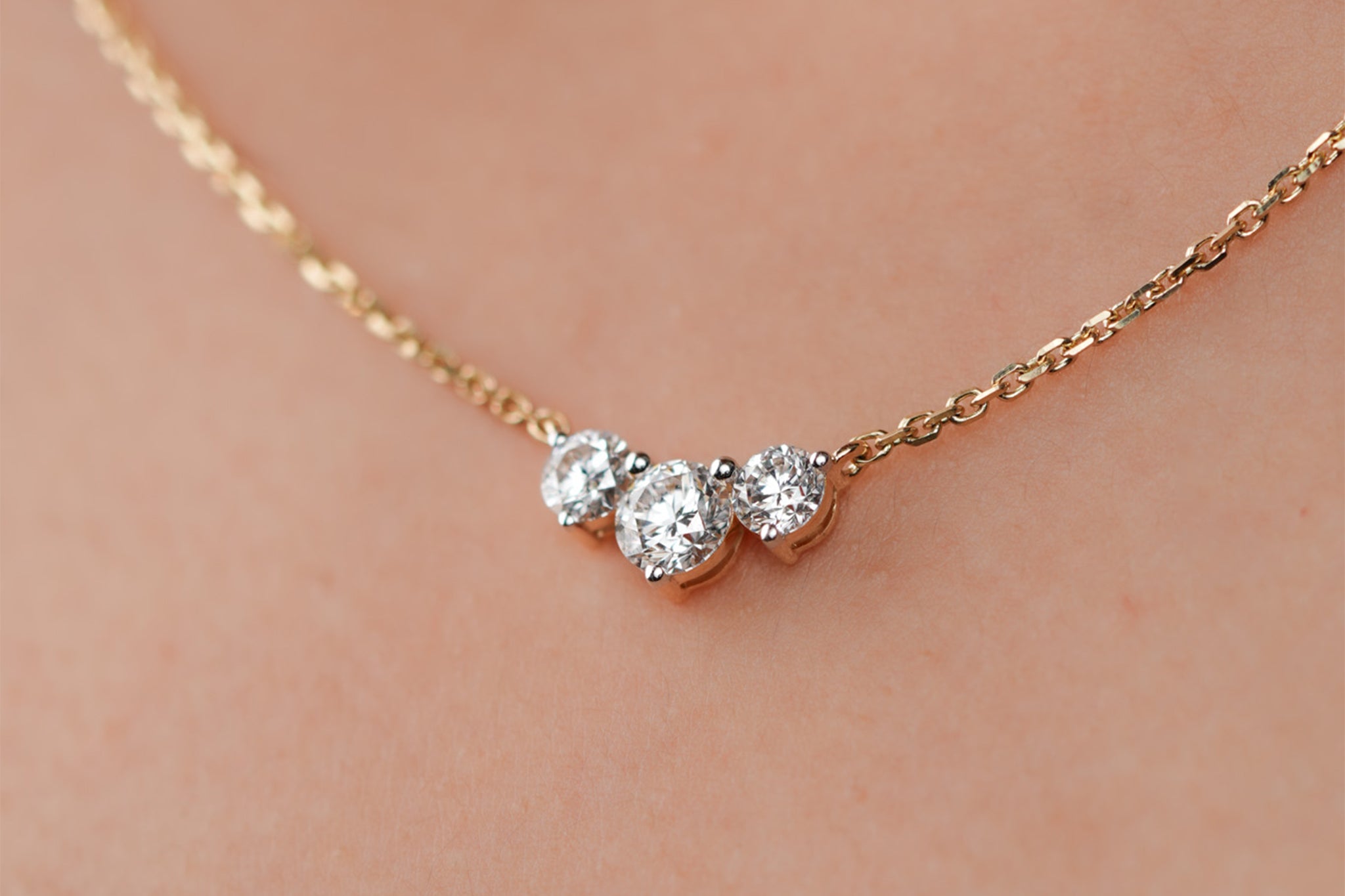
For jewellery pieces — as opposed to loose solitaires — SGL has become a trusted certification choice for serious Indian jewellers, and there are good practical reasons for that. Setting multiple stones introduces complexity that loose stone grading doesn't face. The setting affects how you assess each stone. The craftsmanship of the overall piece is part of what you're certifying. SGL's approach handles this well.
Every jewellery piece at Blu Diamonds carries SGL certification. IGI for solitaires, SGL for jewellery — it's a deliberate choice based on what each lab does best, not a cost decision.

GIA — Gemological Institute of America
Founded: 1931, USA
GIA is the oldest and most prestigious gemological institution in the world. They literally invented the 4Cs grading system. For natural diamonds, a GIA certificate is the gold standard — no debate.
For lab grown diamonds, the timeline is more nuanced. GIA began issuing identification reports for lab grown stones in 2007 and introduced full 4Cs grading for lab grown diamonds in 2016 — later than IGI, which had already built its dominant position in lab grown certification by that point. IGI simply has more lab grown grading volume and longer dedicated experience in this specific segment.
GIA-certified lab grown diamonds typically carry a 10–15% price premium over IGI-certified stones. Some buyers are comfortable paying that for the brand name. Whether it represents proportional value is worth thinking about — especially since the entire appeal of lab grown diamonds is getting significantly more diamond for less money.
A GIA certificate on a lab grown diamond isn't a bad thing. But the assumption that GIA automatically equals best for every diamond category deserves examination when lab grown specifically is what you're buying.
Which Certification Should You Ask For?
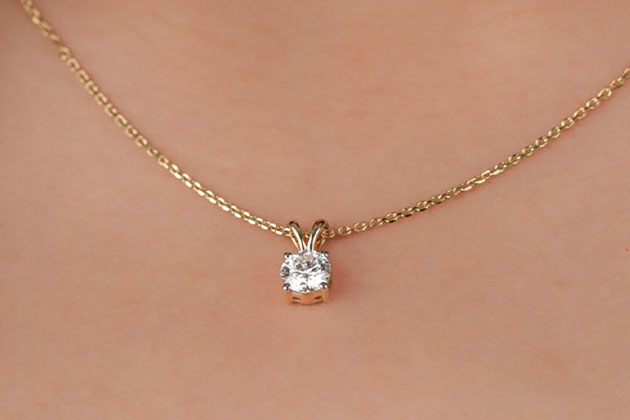
For a lab grown solitaire: IGI. It's the most widely recognised, most trusted, and most common certification for this category globally. A GIA certificate is also legitimate; you'll pay a modest premium. Anything less rigorous — or no certificate at all — walk away.
For lab grown jewellery pieces: SGL is excellent, IGI is excellent. Both are strong. The key is that every piece should be certified, full stop. "Trust us, it's good quality" is not a substitute for an independent grading report, regardless of how nice the showroom looks.
The certification question ultimately comes down to one thing: independent verification. You cannot distinguish a D colour, VVS1, Excellent cut stone from a J colour, SI2, Fair cut stone by looking at them with the naked eye in a jewellery case. The certificate is the only way you actually know what you're paying for. Insist on it. Every time.

What to Watch Out For When Buying
- "In-house certified" — No independent third-party lab? Walk away.
- No certificate at all — Always insist on IGI or SGL documentation.
- Report number doesn't match — The number on the certificate should match the laser inscription on the stone's girdle. Ask to see this confirmed.
- Unknown certification labs — Stick to IGI and SGL for Indian purchases. If you've never heard of the lab, that's a red flag.
Frequently Asked Questions
Is IGI or SGL better for lab grown diamonds in India?
Both are trusted and widely accepted. IGI is the global leader for lab grown solitaire grading. SGL is excellent for certifying complete jewellery pieces and has strong presence in the Indian market. At Blu Diamonds, we use IGI for solitaires and SGL for jewellery pieces — because each lab is best suited to what it's being asked to certify.
Can I verify my certificate online?
Yes. IGI certificates are verifiable at igi.org. SGL certificates at sgl-labs.com. Enter your report number to confirm all grading details for your stone or piece.
Do I need a GIA certificate for lab grown diamonds?
For most Indian buyers, no. GIA introduced full 4Cs grading for lab grown diamonds in 2016, later than IGI. Their lab grown certification volume is much smaller than IGI's. GIA-certified lab grown diamonds carry a 10–15% price premium with no practical benefit for most Indian purchases. IGI and SGL are the right choice here.
What does a lab grown diamond certificate prove?
It confirms: the stone is a genuine diamond (not moissanite or CZ), it is laboratory grown, the growth method (CVD or HPHT), and its quality grades — cut, colour, clarity, and carat weight. Without it, any quality claim is unverified.
Does Blu Diamonds provide certificates with every purchase?
Yes — the physical certificate is included with every purchase. IGI for solitaires, SGL for jewellery pieces. The report can be verified online at any time.
Shop Lab Grown Diamond Jewellery: Rings | Earrings | Pendants | Bracelets | Engagement Rings | Tennis Bracelets
Read more
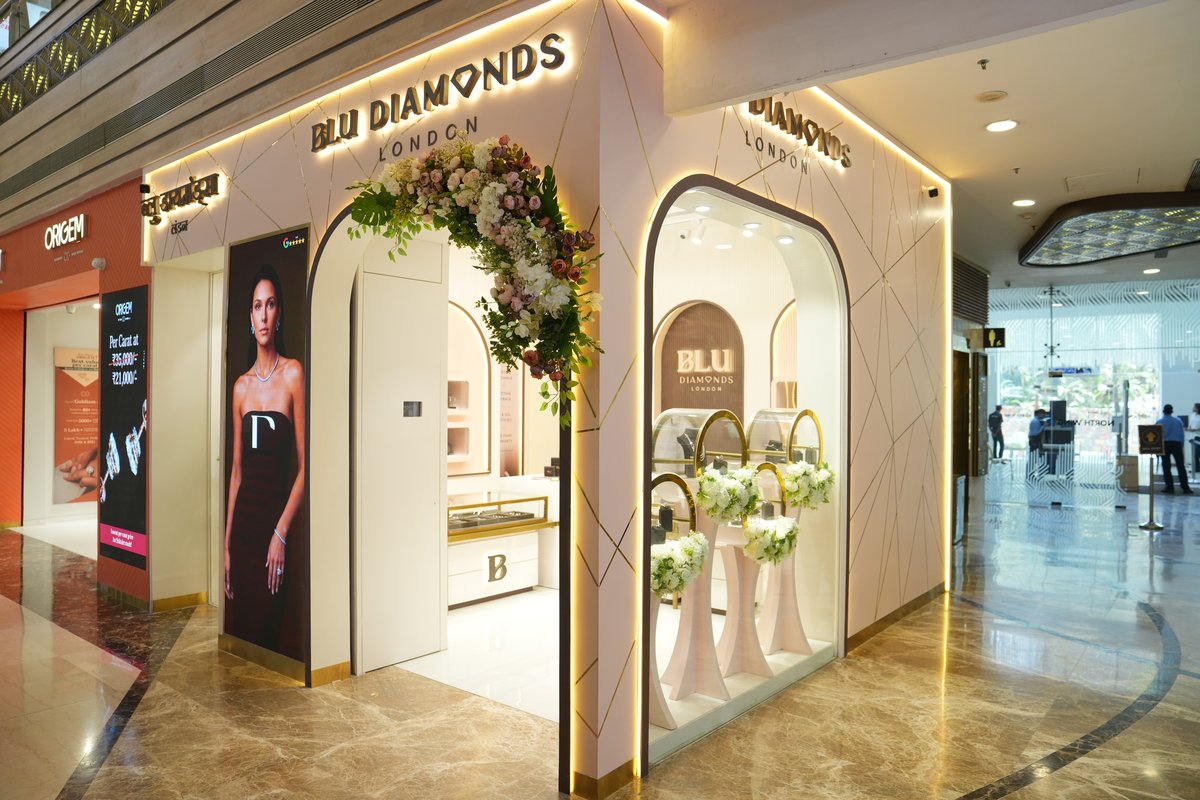
Top 10 Lab Grown Diamond Brands in India 2026 — Honest Comparison Guide
Comparing the top lab grown diamond brands in India for 2026 — pricing, certification, designs and honest pros and cons. Find your perfect jeweller.
Read more
How to Find Your Ring Size at Home — Complete Guide for India (2026)
Find your exact ring size at home with our simple guide. String method, paper strip method and printable ring sizer — works for Indian ring sizes.
Read more