


CVD vs HPHT Diamonds: Which Should You Buy? Complete India Guide (2026)
Last updated: April 2026
- Table of Contents
- What is a CVD Diamond? (Chemical Vapor Deposition)
- What is an HPHT Diamond? (High Pressure High Temperature)
- Key Differences: CVD vs HPHT Diamonds
- CVD vs HPHT Diamond: Side-by-Side Comparison
- How to Identify CVD vs HPHT on a Diamond Certificate
- Which is Better for Different Jewellery Types?
- Price Comparison: CVD vs HPHT in the Indian Market (2026)
- Does It Actually Matter Which You Choose?
- Frequently Asked Questions
- Conclusion: Focus on the Diamond, Not Just the Method
- You May Also Like
If you have been researching lab grown diamonds in India, you have almost certainly come across the terms CVD vs HPHT diamond. These are the two primary methods used to create lab grown diamonds, and understanding the difference can help you make a more informed purchase. But here is the honest truth upfront: for most buyers, the difference between a CVD diamond and an HPHT diamond is far less important than the final quality of the stone you are getting. That said, knowing how each process works — and what to look for on a certificate — puts you in a stronger position when shopping for lab grown diamond rings, earrings, or any diamond jewellery.
In this guide, we break down everything you need to know about CVD vs HPHT diamonds in the Indian context — the science, the quality differences, the pricing, and ultimately, which one you should buy.
What is a CVD Diamond? (Chemical Vapor Deposition)
CVD stands for Chemical Vapor Deposition. It is the more modern of the two lab grown diamond creation methods and has become increasingly popular over the past decade, particularly in India's diamond manufacturing hubs like Surat.
How the CVD Process Works
Think of it like growing a crystal from a seed. Here is the simplified version:
- A thin diamond seed (a tiny slice of existing diamond) is placed inside a sealed vacuum chamber.
- The chamber is filled with carbon-rich gas — typically methane — along with hydrogen.
- The gases are heated to around 800–1,200°C using microwave energy, which breaks down the gas molecules.
- Carbon atoms rain down onto the diamond seed, bonding to it layer by layer.
- Over 2–4 weeks, a rough diamond crystal forms, which is then cut and polished like any other diamond.
The result is a diamond that is chemically, physically, and optically identical to a mined diamond. CVD diamonds tend to grow in a cubic shape and are often Type IIa — the purest type of diamond, which accounts for only about 2% of mined diamonds.
What is an HPHT Diamond? (High Pressure High Temperature)
HPHT stands for High Pressure High Temperature. This was the original method used to create lab grown diamonds, first developed in the 1950s. It essentially replicates the conditions found deep within the earth where natural diamonds form.
How the HPHT Process Works
- A diamond seed is placed inside a large mechanical press along with a carbon source (usually graphite) and a metallic flux (iron, nickel, or cobalt).
- The press generates extreme pressure — around 5–6 GPa (roughly 725,000 pounds per square inch) — and temperatures above 1,400°C.
- The carbon dissolves in the molten metal and crystallises onto the diamond seed.
- Over several days to weeks, a rough diamond forms, typically in a cuboctahedral shape.
HPHT diamonds have been around longer and the technology is well established. Many of the world's largest lab grown diamonds have been produced using this method. HPHT is also commonly used as a post-growth treatment on both CVD and mined diamonds to improve their colour.
Key Differences: CVD vs HPHT Diamonds
Now that you understand how each process works, let us look at where they actually differ — and where they do not.
1. Colour
CVD diamonds occasionally show a faint brownish or greyish tint in their as-grown state. Higher quality CVD stones undergo post-growth HPHT treatment to remove this, resulting in excellent colour grades (D to G).
HPHT diamonds can sometimes display a slight yellowish or bluish tint due to the nitrogen or boron present during growth. However, well-produced HPHT diamonds achieve top colour grades consistently.
Bottom line: Both methods produce diamonds across the full colour spectrum. The final graded colour on the certificate matters more than the method used.

2. Clarity
CVD diamonds may contain inclusions like pinpoints, clouds, or occasionally graphite traces. Some lower-quality CVD stones show strain lines under magnification.
HPHT diamonds may contain metallic flux inclusions — tiny remnants of the metal catalyst used in growth. These can occasionally be magnetic, though this is rare in well-finished stones.
Bottom line: Inclusions differ in nature but not necessarily in grade. Both methods regularly produce VS and VVS clarity stones. Always check the grading report.
3. Crystal Structure and Morphology
CVD diamonds grow layer by layer in one direction, resulting in a tabular or plate-like rough crystal. HPHT diamonds grow in multiple directions simultaneously, producing a more three-dimensional rough shape. This difference matters to cutters but has zero impact on the finished diamond's appearance.

4. Cost of Production
CVD technology requires less energy and less expensive equipment compared to the massive presses needed for HPHT. This has made CVD the preferred method for many Indian manufacturers, contributing to India's position as a global leader in lab grown diamond production.
5. Availability in India
India, particularly Surat and Mumbai, is the world's largest hub for CVD diamond production. As a result, CVD diamonds are widely available in the Indian market. HPHT diamonds are also available but are more commonly associated with production facilities in China, the US, and Russia. Indian retailers like Blu Diamonds source the best quality stones regardless of growth method, ensuring each diamond meets strict certification standards.
CVD vs HPHT Diamond: Side-by-Side Comparison
| Parameter | CVD Diamond | HPHT Diamond |
|---|---|---|
| Full Form | Chemical Vapor Deposition | High Pressure High Temperature |
| Growth Environment | Vacuum chamber, 800–1,200°C | Mechanical press, 1,400°C+, 5–6 GPa |
| Growth Time | 2–4 weeks | Several days to weeks |
| Common Colour Tints | Brownish or greyish (as-grown) | Yellowish or bluish (as-grown) |
| Typical Inclusions | Pinpoints, clouds, strain lines | Metallic flux inclusions |
| Diamond Type | Usually Type IIa | Type Ib or IIb (varies) |
| Phosphorescence | Rare | Sometimes (bluish glow) |
| Post-Growth Treatment | HPHT treatment for colour improvement | Occasionally annealed |
| Availability in India | Very high (Surat is a major hub) | Moderate (more imported) |
| Price Range (1 carat, G-VS2) | ₹35,000 – ₹80,000 | ₹40,000 – ₹90,000 |
| Best For | Everyday jewellery, budget-conscious buyers | Larger stones, collectors |
How to Identify CVD vs HPHT on a Diamond Certificate
If you want to know whether your lab grown diamond was made using CVD or HPHT, the answer is on the grading report. Here is what to look for:
On an IGI Certificate
The International Gemological Institute (IGI) — one of the most trusted labs for lab grown diamonds globally — clearly states the growth method. Look for the "Growth Method" or "Origin" field on the report. It will say either "CVD" (Chemical Vapor Deposition) or "HPHT" (High Pressure High Temperature). If the diamond underwent post-growth treatment, this will also be noted, typically as "As grown" or "Post-growth treated."
On an SGL Certificate
SGL (Solitaire Gemological Laboratories), which is widely used in India, also indicates the growth method on their reports. The terminology is similar — look for the comments section or the origin field.
Laser Inscription
Most certified lab grown diamonds also have a laser inscription on the girdle (the edge of the diamond) that includes the report number. You can match this to the certificate to verify all details. At Blu Diamonds, every piece comes with IGI or SGL certification, so you always know exactly what you are getting.
Which is Better for Different Jewellery Types?
Here is a practical guide based on what actually matters for each jewellery category.
Engagement Rings and Solitaire Rings
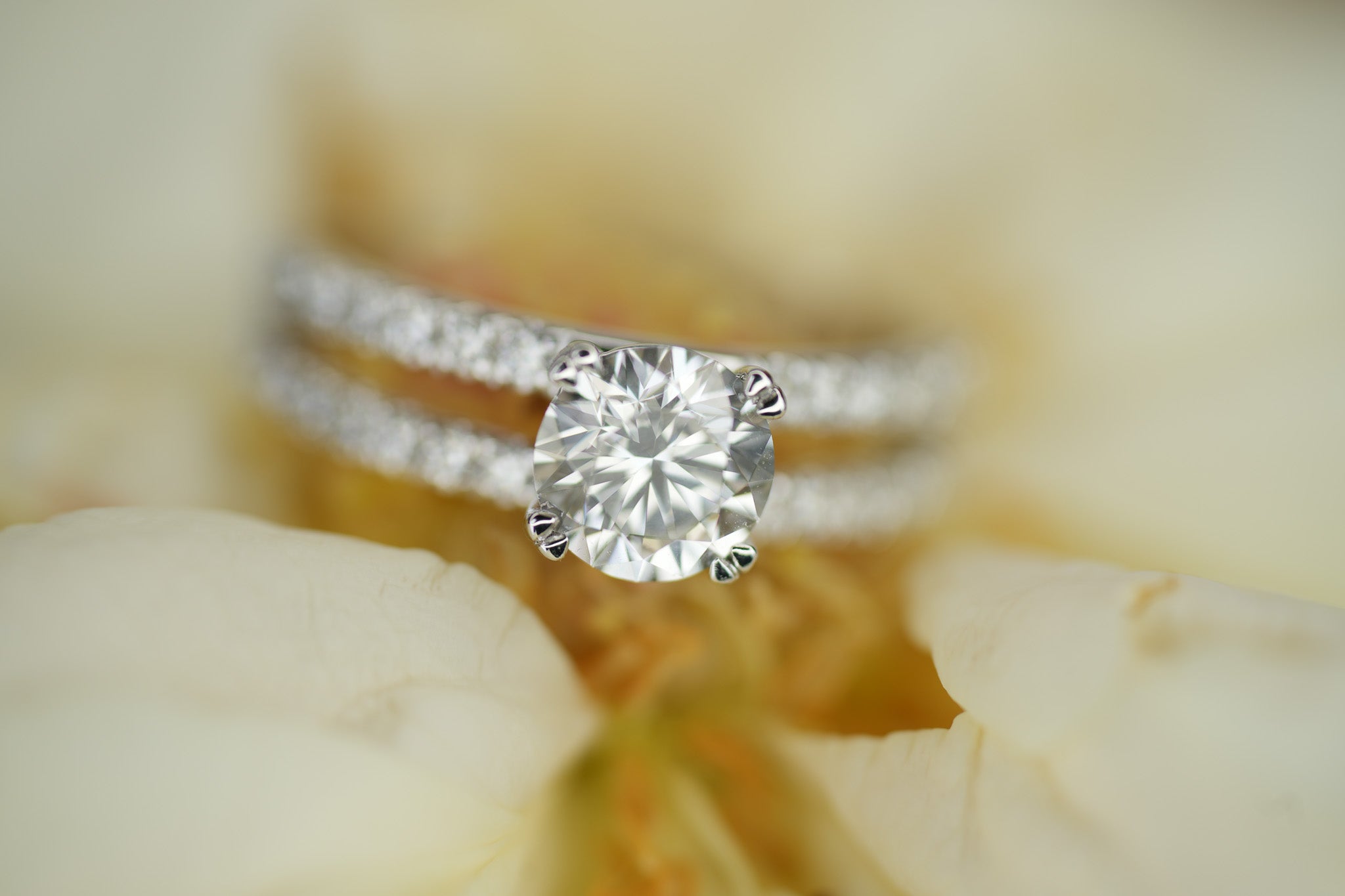
For engagement rings, the individual diamond is the star. Whether CVD or HPHT, focus on the 4Cs — cut, colour, clarity, and carat weight. A well-cut CVD diamond with excellent colour and clarity will look identical to a comparable HPHT stone. If you are shopping for diamond rings set in 14KT Yellow Gold, White Gold, or Rose Gold, the metal choice will influence colour perception more than the growth method will.
Earrings
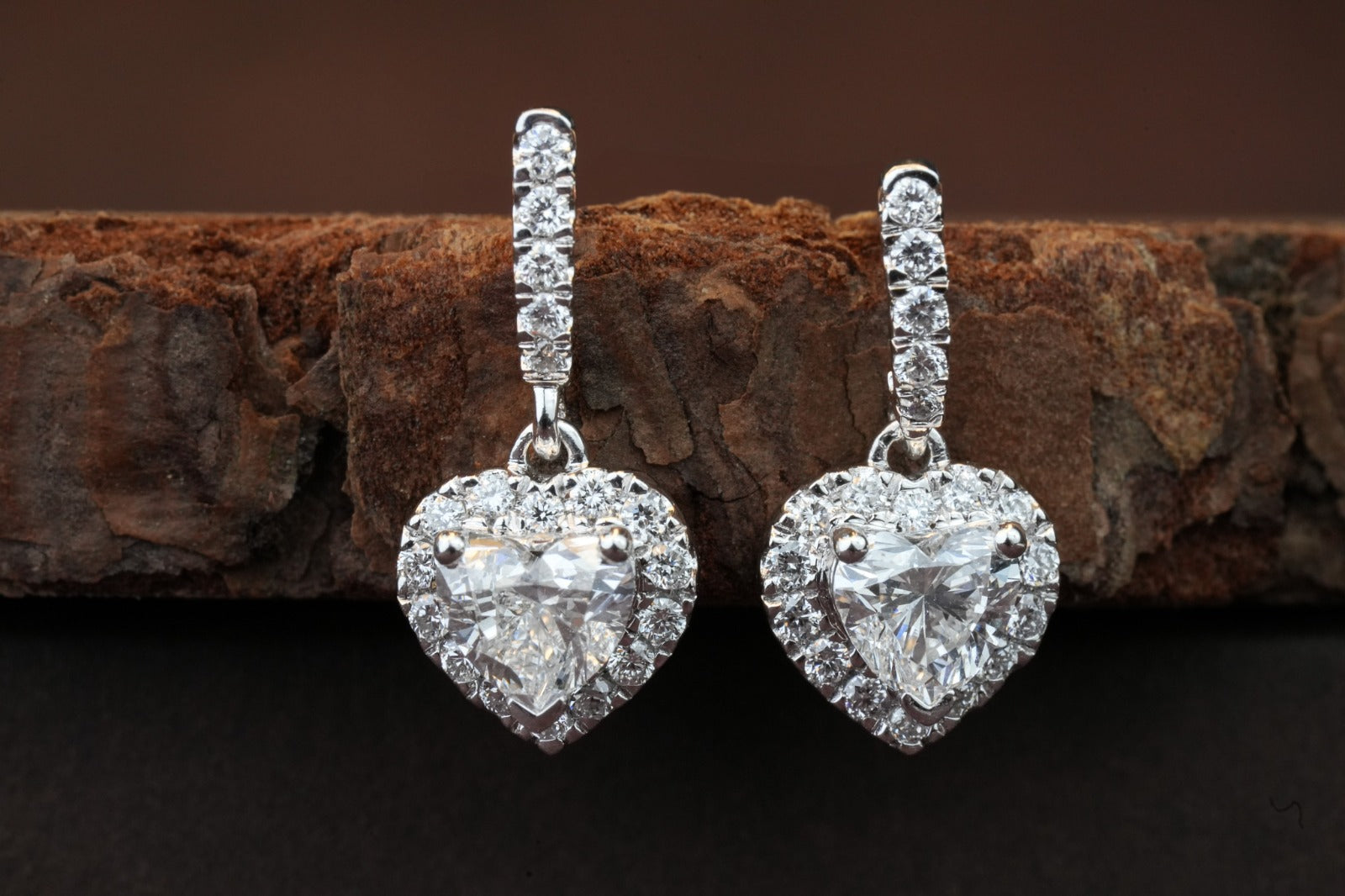
For diamond earrings, the growth method is even less relevant. Earrings sit further from the eye, and matching a pair for size, colour, and cut consistency matters far more than whether both stones were grown by the same method. Many manufacturers mix CVD and HPHT stones in matched pairs without any visible difference.
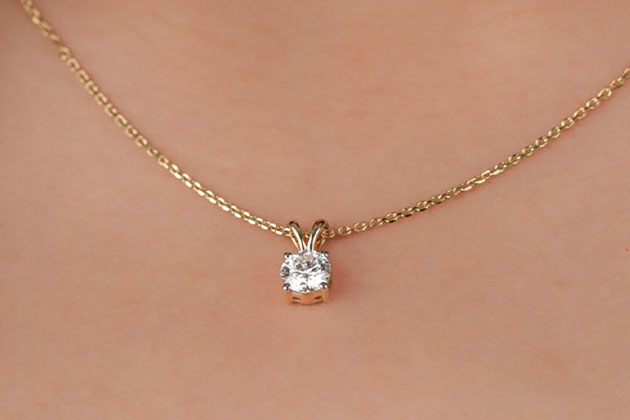
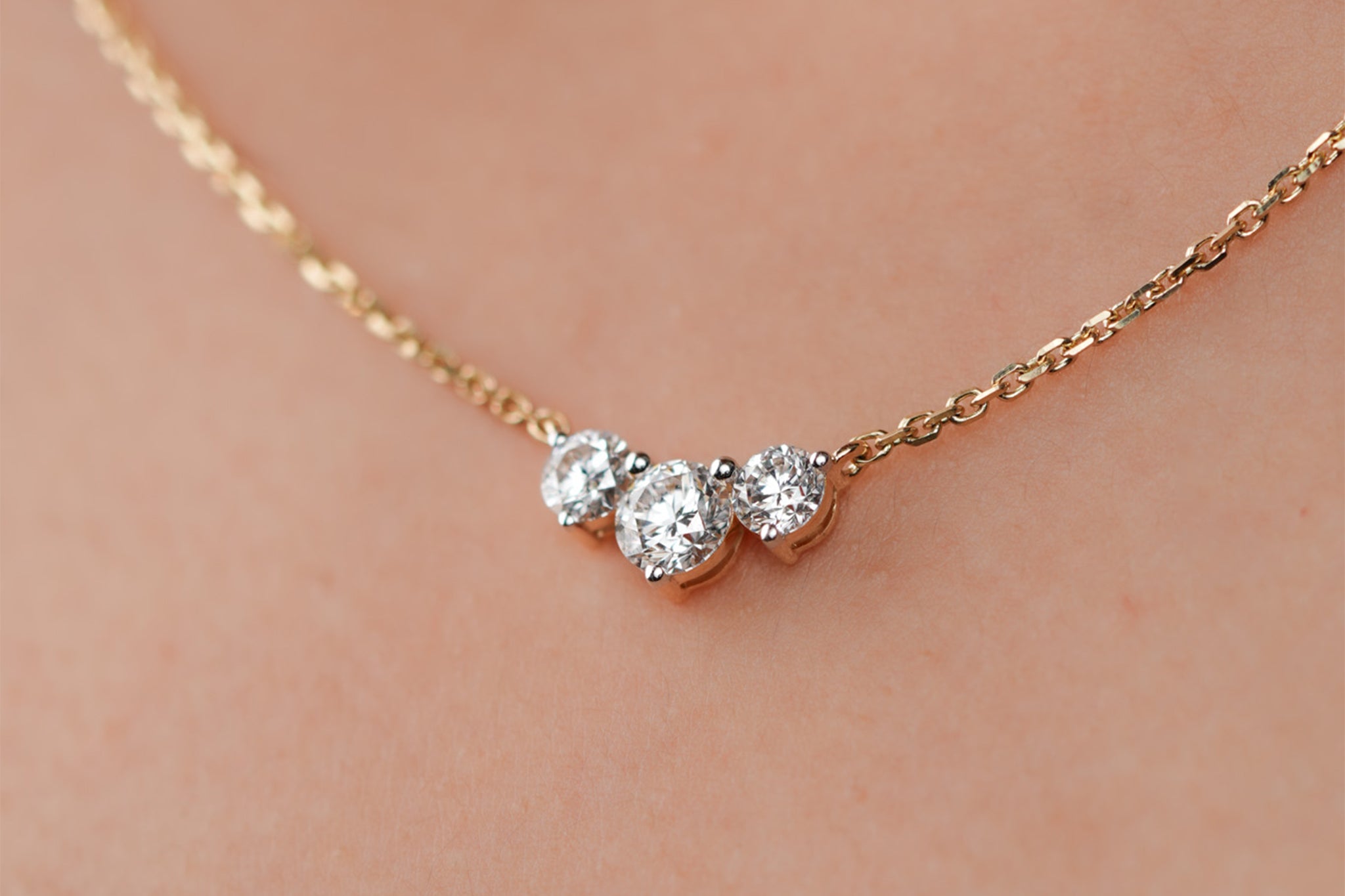
Pendants and Necklaces
Similar to earrings, diamond pendants are viewed from a slight distance. A beautifully cut stone with good brilliance and fire is what you want. CVD and HPHT are equally suitable here.
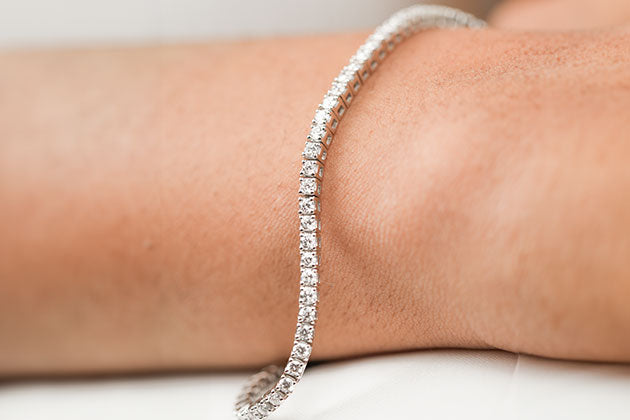
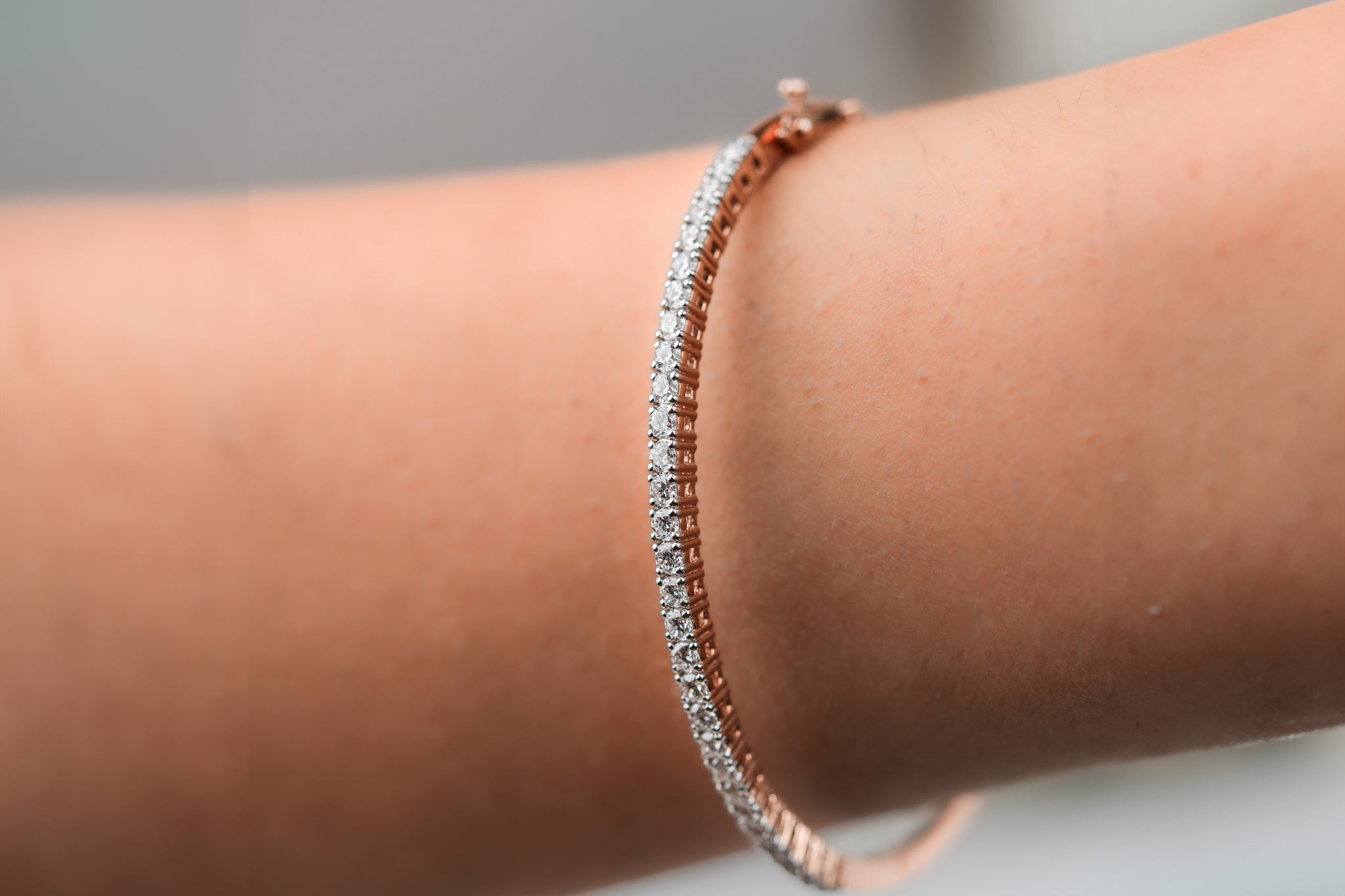
Tennis Bracelets and Multi-Stone Pieces
For jewellery with multiple diamonds, consistency across stones is the priority. Reputable manufacturers ensure colour and size matching regardless of growth method.
Price Comparison: CVD vs HPHT in the Indian Market (2026)
Pricing for lab grown diamonds in India has become increasingly competitive, and the gap between CVD and HPHT has narrowed significantly. Here is a general overview:

Why CVD Tends to Be Slightly Cheaper
- Lower production costs: CVD equipment is less expensive to operate than the massive presses required for HPHT.
- Scale of Indian production: India (especially Surat) is the world's largest CVD diamond producer, which drives prices down through competition and volume.
- Technology improvements: CVD technology has advanced rapidly, improving yields and reducing waste.

Approximate Price Ranges (Loose Stones, India, 2026)
| Carat / Grade | CVD (Approx.) | HPHT (Approx.) |
|---|---|---|
| 0.50 ct, G-VS2, Ex Cut | ₹15,000 – ₹30,000 | ₹18,000 – ₹35,000 |
| 1.00 ct, G-VS2, Ex Cut | ₹35,000 – ₹80,000 | ₹40,000 – ₹90,000 |
| 1.50 ct, F-VS1, Ex Cut | ₹75,000 – ₹1,50,000 | ₹85,000 – ₹1,70,000 |
| 2.00 ct, E-VVS2, Ex Cut | ₹1,50,000 – ₹3,00,000 | ₹1,80,000 – ₹3,50,000 |
Note: These are approximate ranges for loose stones. Final jewellery prices depend on the setting, metal (14KT Yellow Gold, White Gold, or Rose Gold), craftsmanship, and brand. Prices fluctuate based on market conditions.
Does It Actually Matter Which You Choose?
Here is the straightforward answer: for most buyers, no, it does not matter.
Both CVD and HPHT diamonds are real diamonds. They have the same hardness (10 on the Mohs scale), the same refractive index, the same fire and brilliance. A gemologist with advanced equipment can tell the difference, but the person sitting across from you at dinner absolutely cannot.
When It Might Matter
- If you are a collector or enthusiast who cares about the specific growth method — some buyers simply have a preference, and that is valid.
- If you are buying a very large stone (2+ carats) — HPHT has historically been better at producing large, high-quality crystals, though CVD is catching up rapidly.
- If you have a strict budget — CVD stones may offer slightly better value per carat in the Indian market due to local production advantages.
When It Absolutely Does Not Matter
- For daily wear jewellery
- For gifting
- For anyone who simply wants a beautiful, certified diamond at a fair price
What matters far more than the growth method is the quality of the individual stone — its cut grade, colour, clarity, and how well it has been finished. A mediocre HPHT diamond will always look worse than a well-cut CVD diamond, and vice versa. Focus on the 4Cs, buy from a trusted brand with proper certification, and you will be happy with your purchase.
Blu Diamonds, with five decades of experience in the diamond industry, carefully selects every stone to ensure it meets exacting standards — regardless of whether it was grown by CVD or HPHT. Every diamond comes with IGI or SGL certification, and every piece of jewellery carries an 80% lifetime exchange value, giving you confidence in your investment.
Frequently Asked Questions
1. Is a CVD diamond a "real" diamond?
Yes, absolutely. A CVD diamond is chemically, physically, and optically identical to a mined diamond. It is pure crystallised carbon with the same atomic structure. The only difference is that it was grown in a laboratory rather than extracted from the earth. Both IGI and SGL certify CVD diamonds as real diamonds.
2. Can a jeweller tell the difference between CVD and HPHT diamonds?
Not with the naked eye or a standard loupe. Advanced spectroscopic equipment (like photoluminescence analysis) is needed to determine the growth method. This is why certification is important — the grading report will clearly state whether the diamond is CVD or HPHT.
3. Which lasts longer — CVD or HPHT?
Both last forever. Diamond is the hardest natural material on earth (10 on the Mohs scale), and this applies equally to CVD and HPHT diamonds. Neither will fade, cloud, or degrade over time. Your grandchildren will inherit the same brilliance you bought.
4. Do CVD diamonds turn yellow over time?
No. This is a common myth with no scientific basis. A certified CVD diamond will retain its colour grade permanently. If your diamond is graded G colour by IGI, it will remain G colour for life.
5. Is CVD or HPHT better for an engagement ring?
Neither is inherently better. For an engagement ring, prioritise cut quality (this has the biggest impact on sparkle), then colour and clarity. Whether the stone is CVD or HPHT will have no impact on how it looks on your finger. Choose based on the specific stone's 4Cs and your budget.
6. Why do some lab grown diamonds come with IGI certification and others with SGL?
Both IGI (International Gemological Institute) and SGL (Solitaire Gemological Laboratories) are respected grading laboratories. IGI is internationally recognised and widely used for lab grown diamonds globally. SGL is an Indian laboratory with strong credibility in the domestic market. At Blu Diamonds, we use both IGI and SGL certification to ensure every diamond meets verified quality standards.
Conclusion: Focus on the Diamond, Not Just the Method
The CVD vs HPHT diamond debate is worth understanding, but it should not be the deciding factor in your purchase. Both methods produce stunning, certified, real diamonds that are visually indistinguishable from each other and from mined diamonds.
Here is what should actually guide your buying decision:
- Cut quality — This is the single biggest factor in a diamond's beauty. Always prioritise excellent or ideal cut.
- Certification — Buy only IGI or SGL certified diamonds so you know exactly what you are getting.
- Colour and clarity — Choose grades that look clean to the naked eye within your budget.
- Trusted brand — Work with a jeweller who offers transparency, certification, and after-sale value.
- Setting and metal — Whether you prefer 14KT Yellow Gold, White Gold, or Rose Gold, the right setting elevates the diamond.
Blu Diamonds brings together five decades of diamond industry expertise with the best of lab grown diamond technology. Every piece is IGI or SGL certified, set in 14KT gold, and backed by an 80% lifetime exchange value — because we believe you should feel as confident about your purchase years from now as you do today.
Explore our collections and find the perfect piece for you at bludiamonds.com.
You May Also Like
Read more
How to Choose the Perfect Lab Grown Diamond: A First-Time Buyer's Guide for India (2026)
Updated April 2026 | Reading time: 12 minutes In This Guide Table of Contents 1. Why Buy a Lab Grown Diamond in 2026? 2. Understanding the 4Cs for Lab Grown Diamonds 3. Shape Selection Guide ...
Read more