



An honest, fact-based comparison to help you choose the right diamond for your budget, style, and values.
- Introduction
- What Are Lab Grown Diamonds?
- What Are Natural Diamonds?
- Lab Grown vs Natural Diamond: Side-by-Side Comparison
- The Price Difference Explained
- Can You Tell the Difference?
- Certification: Same Standards, Same Labs
- The Indian Perspective
- Who Should Buy Lab Grown Diamonds?
- Who Might Prefer Natural Diamonds?
- Making Your Decision
- Frequently Asked Questions
- You May Also Like
Introduction
India's relationship with diamonds is changing. For decades, the equation was simple — diamonds meant mined stones, sold at steep premiums, with limited options for the average buyer. That equation no longer holds.
Lab grown diamonds now account for a rapidly growing share of the Indian jewellery market, and the reasons are straightforward: identical beauty, credible certification, and prices that make sense. But natural diamonds still carry appeal for some buyers, and that preference is valid too.
This guide lays out the facts — composition, pricing, certification, resale, ethics — so you can decide what matters most to you. No sales pitch. Just a clear comparison between two types of the same stone.
What Are Lab Grown Diamonds?
Lab grown diamonds are real diamonds created in controlled laboratory environments using one of two methods: Chemical Vapour Deposition (CVD) or High Pressure High Temperature (HPHT). Both processes replicate the conditions under which diamonds form naturally — extreme heat and pressure applied to pure carbon — but they do so in weeks rather than billions of years.
The result is a diamond with the exact same crystal structure, chemical composition (pure carbon), hardness (10 on the Mohs scale), refractive index, and brilliance as a mined stone. These are not diamond simulants like cubic zirconia or moissanite. A lab grown diamond is a diamond.
Lab grown diamonds are graded and certified by the same gemmological laboratories that certify natural diamonds — including IGI (International Gemological Institute), GIA (Gemological Institute of America), and SGL (Surat Gemological Laboratory). They receive the same 4C grading: Cut, Colour, Clarity, and Carat weight.
India, particularly Surat, has become a global hub for lab grown diamond production. The technology is mature, the output is consistent, and the quality rivals — and often matches — the finest mined stones.
What Are Natural Diamonds?
Natural diamonds formed deep within the Earth's mantle over 1 to 3 billion years ago. Extreme heat (around 1,000°C) and pressure forced carbon atoms into a rigid crystal lattice — the hardest natural substance known. Volcanic eruptions eventually pushed these stones closer to the surface, where they are extracted through mining.
Physically and chemically, a natural diamond is identical to a lab grown one. Same carbon composition, same hardness, same optical properties. The difference is origin: one comes from the ground, the other from a machine.
Natural diamonds carry a premium driven by perceived rarity, the romance of geological origin, and a supply chain historically controlled by a small number of mining conglomerates. For some buyers, this geological story adds emotional value. For others, it simply adds cost.
Lab Grown vs Natural Diamond: Side-by-Side Comparison
Here is a direct, fact-based comparison across every parameter that matters when buying a diamond in India:
| Feature | Lab Grown Diamond | Natural Diamond |
|---|---|---|
| Composition | Pure Carbon | Pure Carbon |
| Hardness (Mohs Scale) | 10 | 10 |
| Brilliance & Fire | Identical | Identical |
| Certification | IGI, GIA, SGL | IGI, GIA, SGL |
| Price (1 Carat, Good Quality) | ₹40,000 – ₹90,000 | ₹3,00,000 – ₹5,00,000 |
| Resale Value | 25–40% | 30–50% |
| Environmental Impact | Low (lab-based) | High (mining operations) |
| Ethical Concerns | None | Mining-related concerns |
| Supply & Availability | Consistent, scalable | Limited by mining output |
| Detection | Only by specialised lab equipment | Only by specialised lab equipment |
| Durability | Lasts forever | Lasts forever |
The table tells a clear story. On every physical and optical parameter, lab grown and natural diamonds are indistinguishable. The differences come down to price, origin, and personal values.

The Price Difference Explained
The most striking difference between lab grown and natural diamonds is price — and understanding why that gap exists matters.
Natural diamond pricing is shaped by factors that have little to do with the stone itself: mining infrastructure that costs billions to build and maintain, a supply chain with multiple intermediaries (miners, cutters, polishers, wholesalers, retailers), and decades of controlled supply by a handful of dominant players. Each layer adds margin. By the time a natural diamond reaches a retail counter in Mumbai or Delhi, its price reflects all of that overhead.
Lab grown diamonds bypass most of this chain. The production cost is largely energy and technology. There are no mining leases, no environmental remediation costs, and no artificial supply restrictions. The savings pass directly to the buyer.
Here is what that means in practice:

That ₹4,00,000 in savings is not trivial. It can fund the engagement ring and a matching pair of diamond studs, with money left over for the wedding itself, gold jewellery, or a honeymoon.
Some buyers worry that low price means low quality. It does not. The price reflects production economics, not stone quality. A well-cut, high-clarity lab grown diamond will outshine a poorly cut natural diamond every time.
Can You Tell the Difference?
No. And this is not a marketing claim — it is a scientific fact.
Lab grown diamonds and natural diamonds have identical optical properties: the same refractive index (2.42), the same dispersion (fire), and the same adamantine lustre. When light enters both stones, it bends, splits, and reflects in exactly the same way. The sparkle you see in a lab grown diamond is physically indistinguishable from the sparkle in a natural one.
Even trained gemmologists cannot tell the difference using a loupe or a standard microscope. The only way to identify a diamond's origin is through specialised laboratory equipment — machines like the DiamondView or spectroscopy tools that detect subtle differences in growth patterns at the atomic level.
On your finger, on your ears, around your neck — nobody will ever know unless you tell them. And most people who buy lab grown diamonds are happy to talk about their choice, because the facts are on their side.
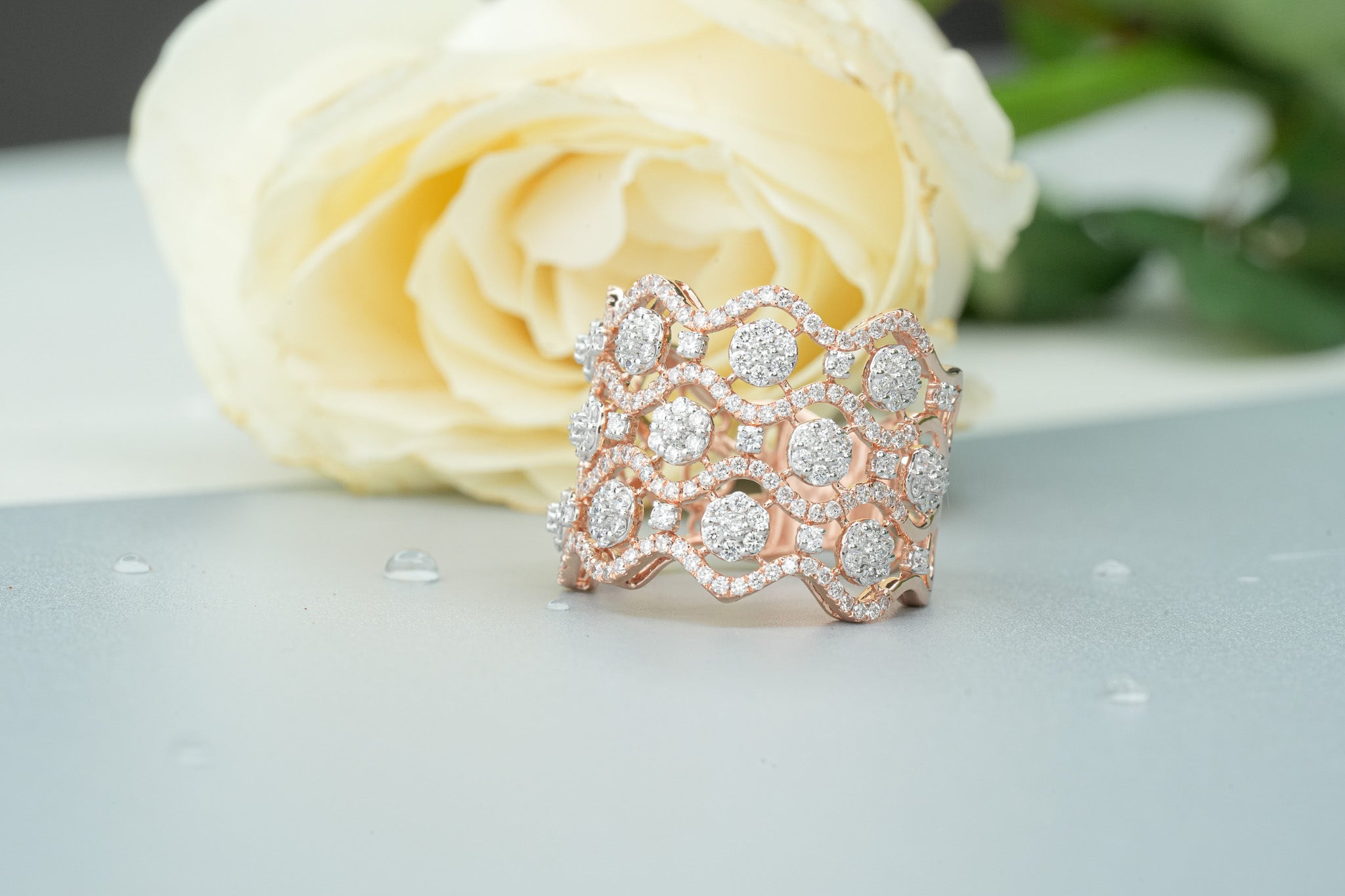
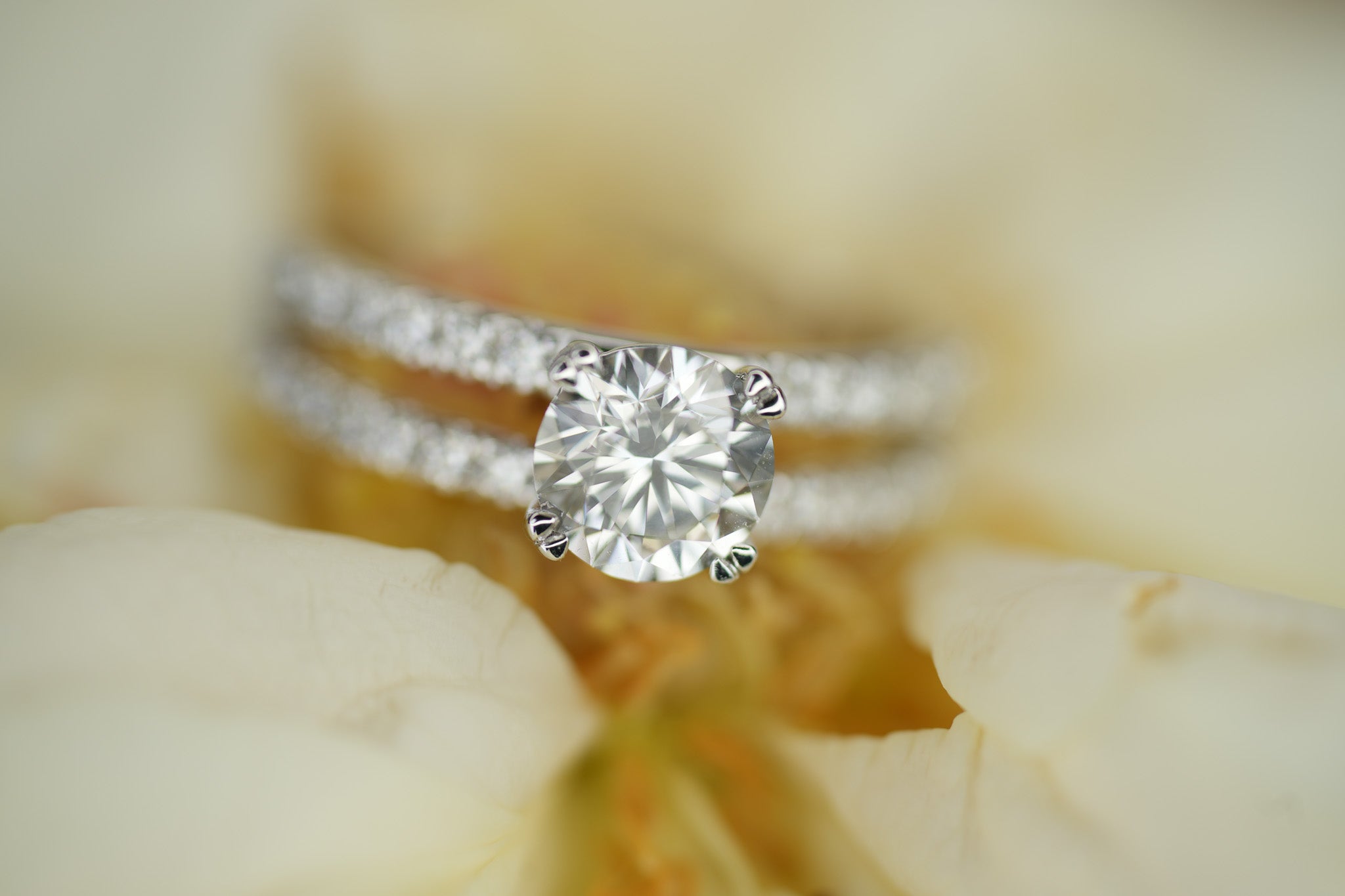
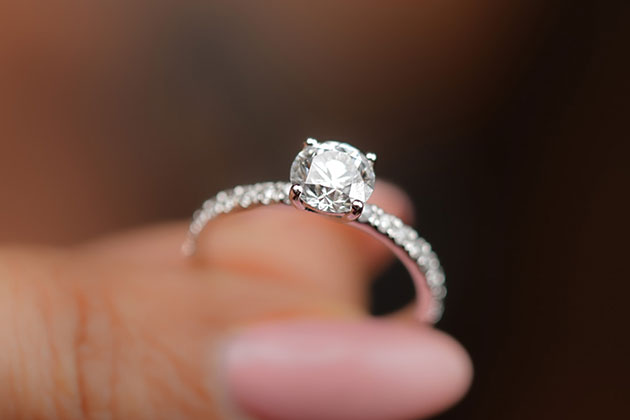
Browse our diamond ring collection and see for yourself — every piece uses stones that match the brilliance of any mined diamond on the market.
Certification: Same Standards, Same Labs
One of the most common doubts Indian buyers have is about certification. If lab grown diamonds cost so much less, are they graded to the same standard? The answer is yes — unequivocally.
The three major gemmological laboratories — IGI, GIA, and SGL — certify both lab grown and natural diamonds using the same 4C grading system: Cut, Colour, Clarity, and Carat weight. A lab grown diamond graded as D colour, VVS1 clarity, Excellent cut has met the exact same benchmarks as a natural diamond with the same grades.
The certificate will clearly state the diamond's origin — "Laboratory Grown" or "Natural" — so there is full transparency. Beyond that, the grading criteria are identical.
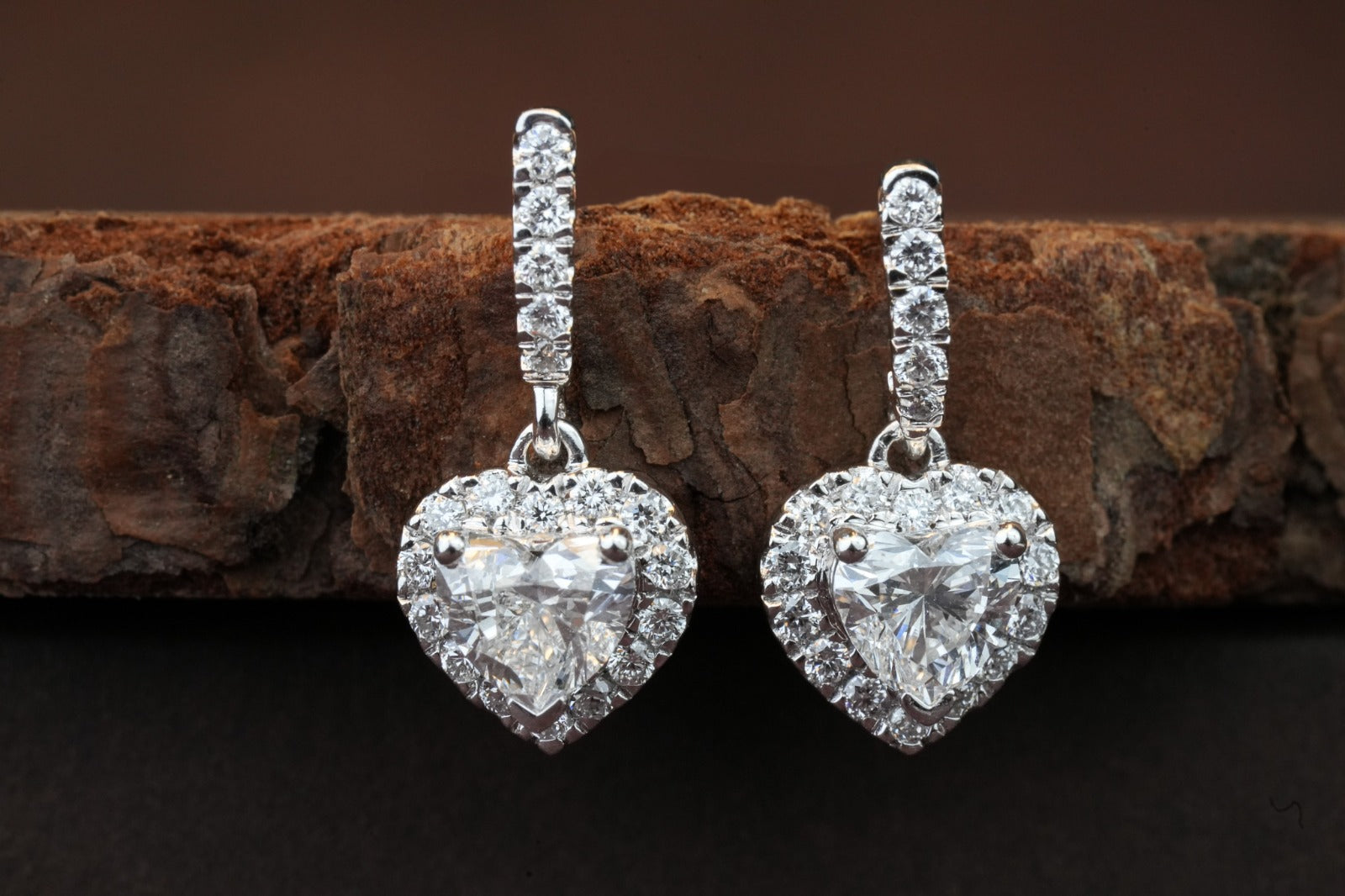
At Blu Diamonds, every piece of jewellery comes with IGI or SGL certification. When you buy a solitaire ring or a pair of diamond earrings from us, you receive a certificate that confirms the exact specifications of your stone. No ambiguity, no guesswork.
The Indian Perspective
Indian families have traditionally viewed diamond jewellery as an "investment." This belief deserves honest scrutiny.
Gold is the true investment asset in Indian jewellery. Gold prices have a well-documented track record of appreciation, gold is highly liquid (you can sell it easily at any jeweller), and gold rates are transparent and standardised. Diamonds — whether lab grown or natural — do not work the same way. Natural diamond resale typically recovers 30–50% of the purchase price, and the resale market for diamonds in India is fragmented and opaque. There is no "diamond rate" the way there is a gold rate.
So what are diamonds actually for? Beauty. Expression. Celebration. And on that front, lab grown diamonds deliver spectacularly.
Consider what becomes possible when diamond prices drop by 60–80%:

- A young couple can afford a 1.5 carat solitaire engagement ring that would have been out of reach with a natural diamond.
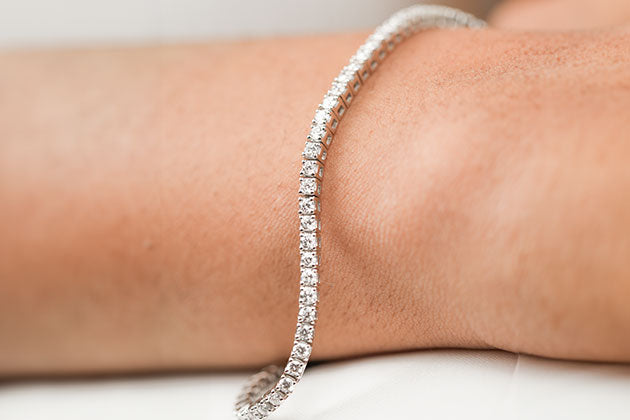
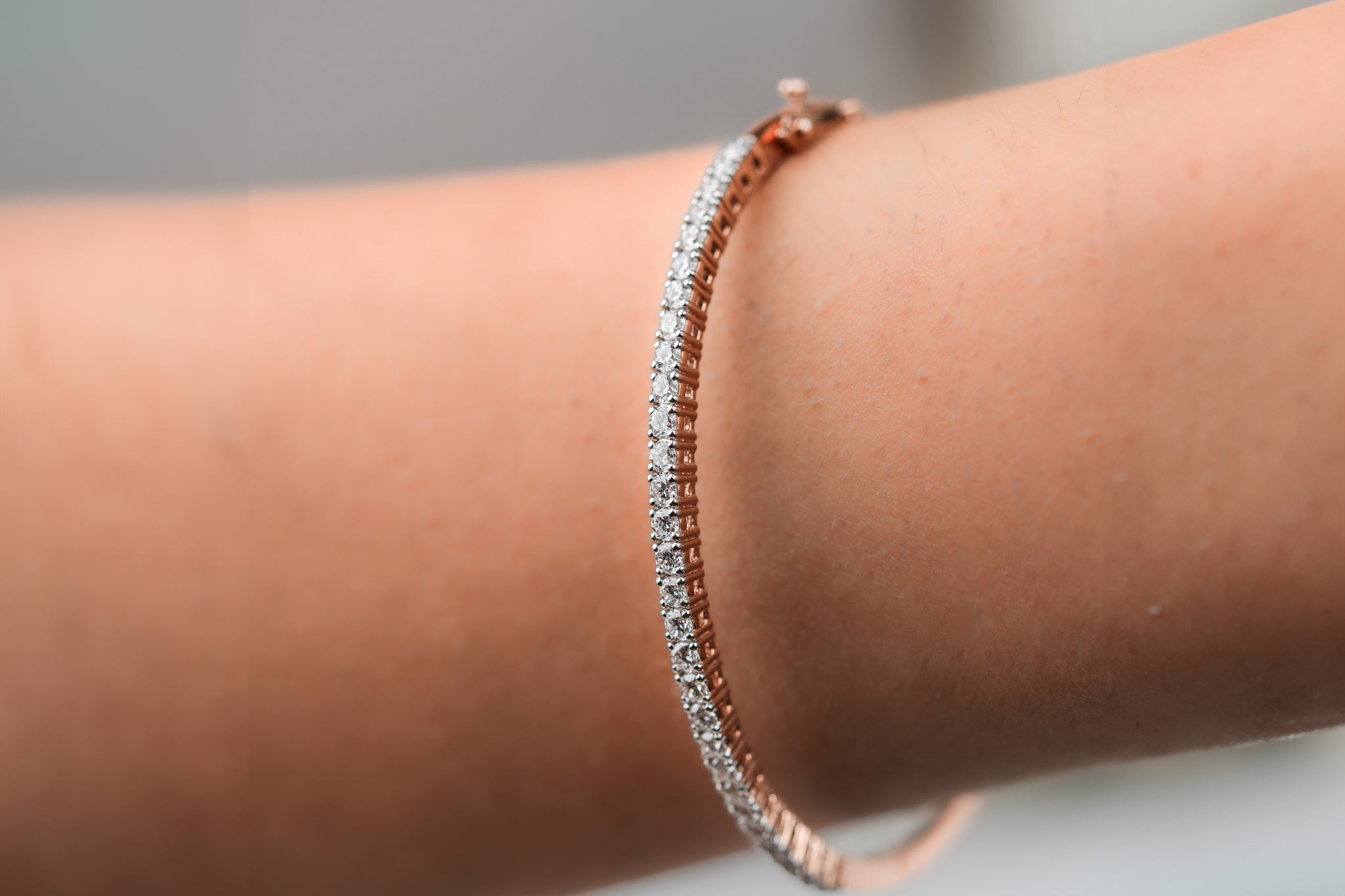
- A working professional can own a tennis bracelet for weekend dinners — not just for the wedding day.
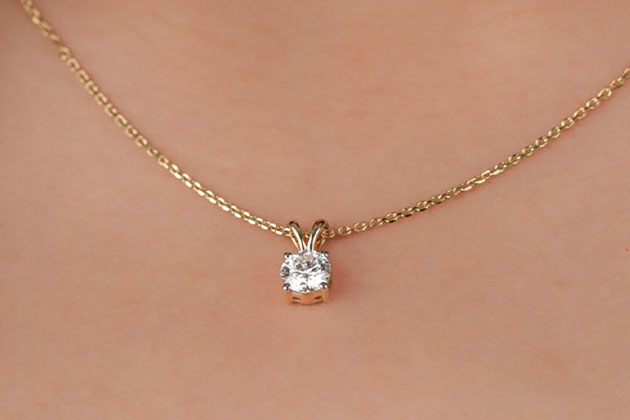
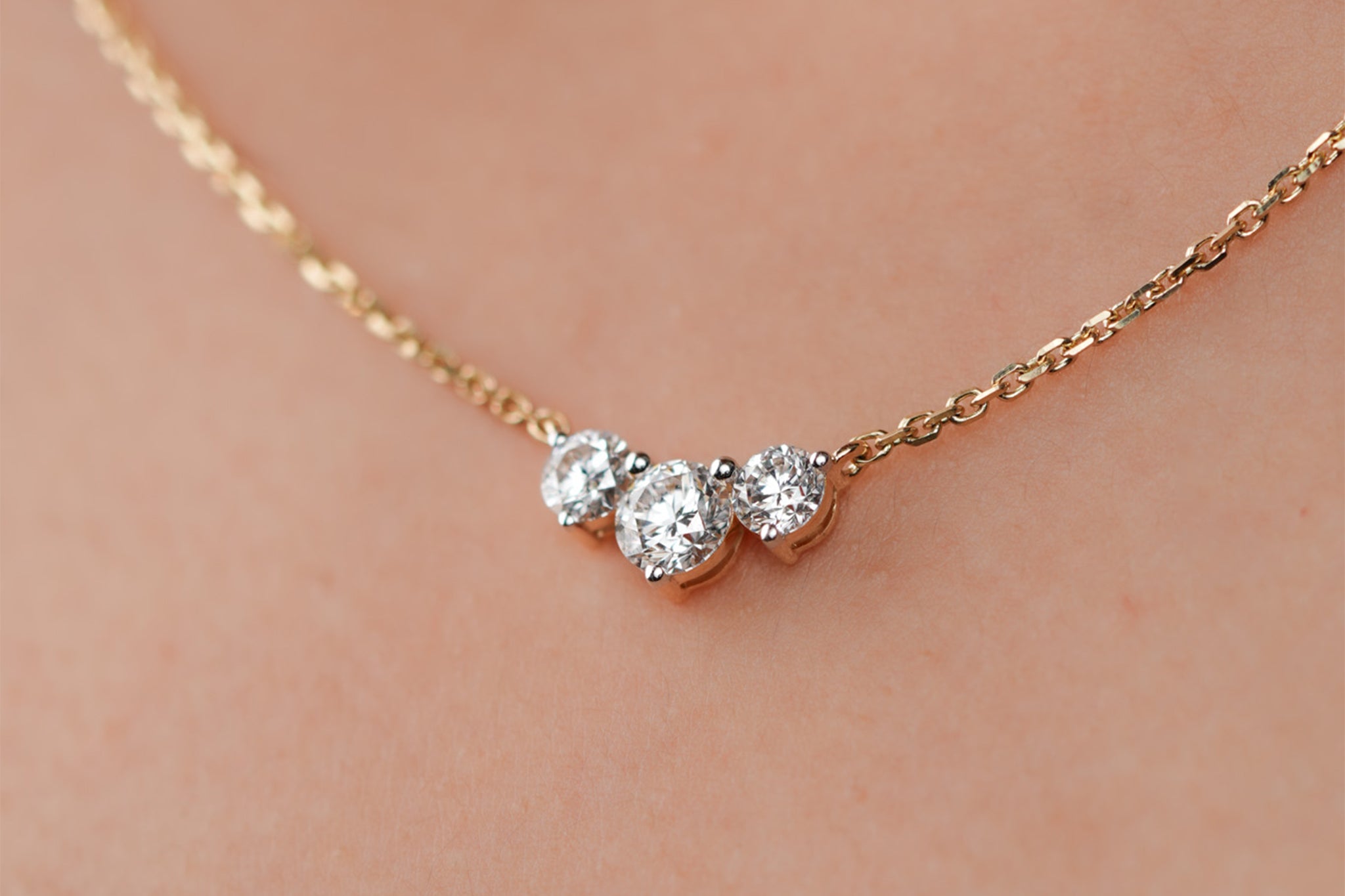
- A mother can gift her daughter matching diamond studs and a pendant without it becoming a financial strain.
- The savings can be redirected to gold jewellery (which actually holds value), the wedding budget, a home down payment, or a honeymoon.
Lab grown diamonds do not ask Indian buyers to give up anything. They ask buyers to rethink where their money goes — and to get more beauty for every rupee spent.
Who Should Buy Lab Grown Diamonds?
Lab grown diamonds are an excellent fit for:
- Budget-conscious couples who want a beautiful engagement ring without a six-figure price tag.
- Young professionals who want to own designer diamond jewellery — rings, earrings, pendants — and wear it regularly, not just on special occasions.
- Ethical buyers who prefer a product free from mining-related environmental and social concerns.
- Buyers who want bigger stones. If a 0.5 carat natural diamond fits your budget, a lab grown option lets you step up to 1 carat or more for the same spend.
- Daily wear jewellery lovers. When a pair of diamond studs costs ₹15,000–₹25,000 instead of ₹1,00,000+, you can wear them to the office, to brunch, everywhere — without anxiety.
- Practical families who would rather allocate wedding budgets to gold (which appreciates) and get the diamond sparkle through lab grown options.

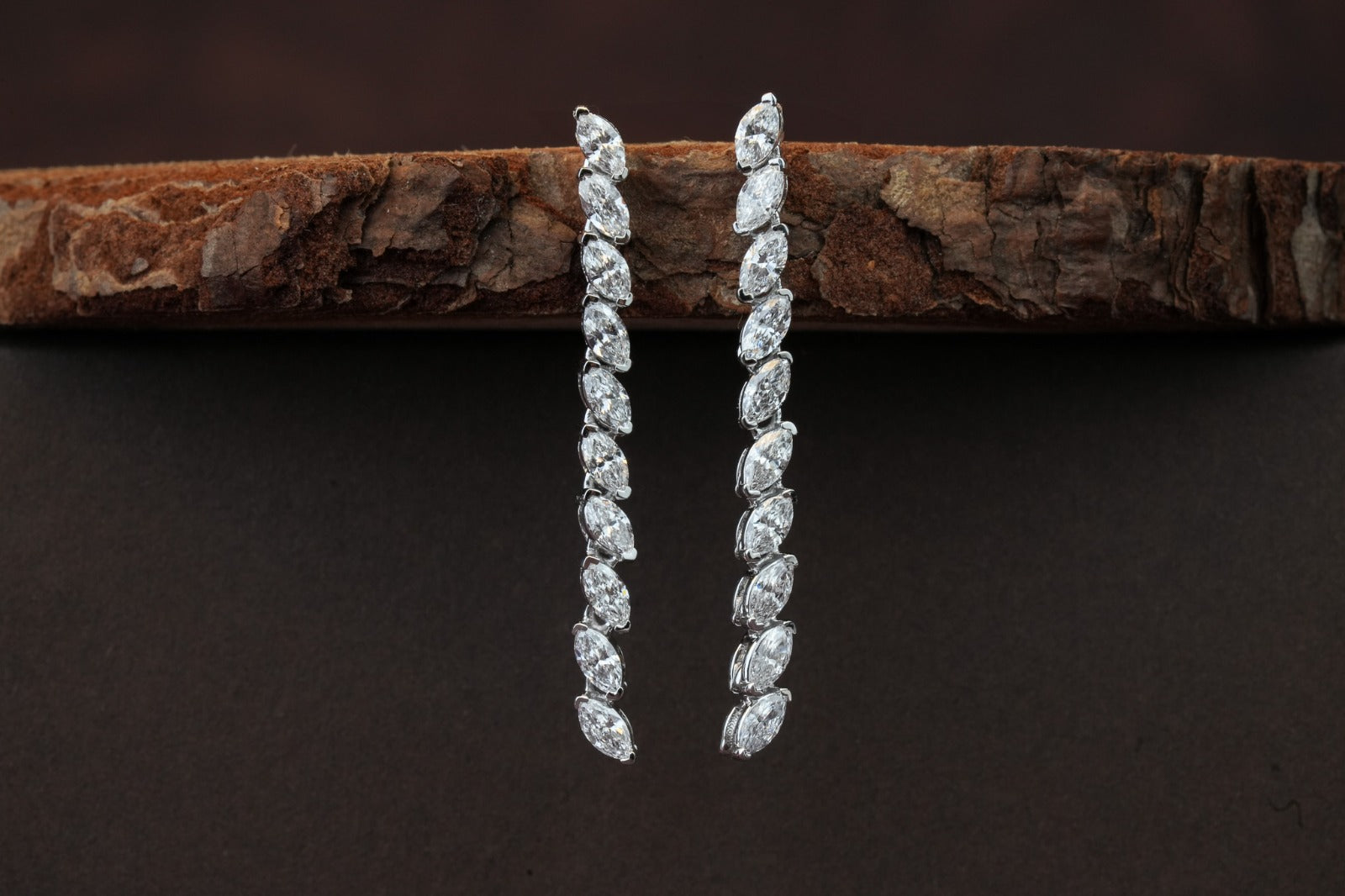
If any of this resonates, explore our rings, earrings, and pendants — all certified, all stunning, all priced fairly.
Who Might Prefer Natural Diamonds?
Natural diamonds still make sense for certain buyers, and those preferences are entirely valid:
- Collectors who value the geological story — the idea that their stone is billions of years old and came from deep within the Earth.
- Investors — though this comes with a strong caveat. Diamond "investment" is risky. Unlike gold, diamonds lack standardised pricing, have low liquidity, and typically lose 50–70% of retail value on resale. Fancy coloured natural diamonds (pinks, blues) hold value better, but these are ultra-niche.
- Buyers with strong emotional attachment to mined diamonds — perhaps a family tradition, or a personal belief that geological origin adds meaning.
If you fall into one of these categories, a natural diamond may be the right choice for you. The key is making that choice with clear information, not assumptions.
Making Your Decision
Strip away the marketing from both sides, and the decision comes down to one question:
Do you want maximum beauty and value for your budget? Or do you place a personal premium on geological origin?
If it is the former, lab grown diamonds give you more — more carat weight, better cut grades, and money left over. If it is the latter, natural diamonds carry a story that lab grown stones do not replicate.
Either way, you are getting a real diamond. Same carbon. Same hardness. Same fire. Same forever.
If you would like to see lab grown diamonds in person — hold them, compare them, try them on — visit Blu Diamonds at R City Mall, Ghatkopar, Mumbai. Our team will walk you through every option without pressure, and every piece comes with full certification.
Frequently Asked Questions
Are lab grown diamonds real diamonds?
Yes. Lab grown diamonds are 100% real diamonds. They have the same chemical composition (pure carbon), the same crystal structure, the same hardness (10 on the Mohs scale), and the same optical properties as natural diamonds. They are certified by the same gemmological laboratories — IGI, GIA, and SGL. The only difference is their origin: a laboratory instead of a mine. They are not simulants like cubic zirconia or moissanite.
Can a jeweller tell the difference between lab grown and natural diamonds?
No. A jeweller cannot distinguish between a lab grown and a natural diamond using standard tools like a loupe or microscope. The two are optically, physically, and chemically identical. Only specialised laboratory instruments — such as spectroscopy machines or the DiamondView — can detect differences in growth patterns at the atomic level. On your finger, they look exactly the same.
Do lab grown diamonds last forever?
Yes. Lab grown diamonds have the same durability as natural diamonds — they score 10 on the Mohs hardness scale, making them the hardest material known. They will not cloud, fade, lose their sparkle, or degrade over time. A lab grown diamond bought today will look exactly the same in 50 years, 100 years, or a thousand years. Diamonds are forever — regardless of how they were made.
Are lab grown diamonds ethical?
Lab grown diamonds eliminate the ethical concerns associated with diamond mining — including environmental damage, habitat destruction, water pollution, and labour issues that have historically affected mining communities. They are produced in controlled laboratory settings with significantly lower environmental impact. For buyers who value ethical sourcing, lab grown diamonds offer peace of mind.
What does IGI certified mean?
IGI stands for the International Gemological Institute, one of the world's most respected diamond grading laboratories. An IGI-certified diamond has been independently evaluated for its Cut, Colour, Clarity, and Carat weight (the 4Cs). The certificate provides an objective, third-party assessment of the diamond's quality. At Blu Diamonds, all our pieces come with IGI or SGL certification, giving you complete confidence in what you are buying.
How much cheaper are lab grown diamonds compared to natural diamonds?
Lab grown diamonds typically cost 60–80% less than natural diamonds of comparable quality. For example, a 1 carat lab grown diamond with good cut, colour, and clarity might cost ₹40,000–₹90,000, while a similar natural diamond would cost ₹3,00,000–₹5,00,000. This price difference is due to lower production costs — not lower quality. The stone itself is identical in every physical and optical property.