
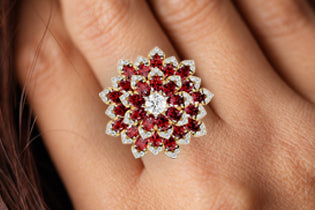

If you have been looking at lab grown diamond prices in India and found the information scattered, vague, or outdated, this guide is for you. Lab grown diamonds cost 60-80% less than mined diamonds of the same quality, and India has quickly become one of the fastest-growing markets for them. More buyers, from young professionals picking their first solitaire to couples choosing engagement rings, are switching to lab grown diamonds every year.
- What Determines Lab Grown Diamond Price?
- Lab Grown Diamond Price Per Carat in India (2026)
- Lab Grown Diamond Jewellery Price by Category
- Lab Grown Diamond vs Natural Diamond: Price Comparison
- CVD vs HPHT: Does It Affect Price?
- How Certification Affects Price
- Budget-Wise Shopping Guide
- Why Buy from Blu Diamonds?
- Frequently Asked Questions
- You May Also Like
But how much does a lab grown diamond actually cost in 2026? What should you expect to pay for a 1-carat stone? How do prices change across rings, earrings, pendants, and bracelets?
This guide breaks down lab grown diamond prices in India across every carat size and jewellery category, so you can walk into a store or browse online with full confidence in what you are spending.
What Determines Lab Grown Diamond Price?
Before looking at actual numbers, it helps to know what makes one lab grown diamond more expensive than another. The price is not random. It comes down to a handful of measurable factors.
The 4Cs: Cut, Colour, Clarity, Carat
Just like mined diamonds, lab grown diamonds are graded on Cut, Colour, Clarity, and Carat weight. A well-cut diamond with excellent light performance, near-colourless grade (D-F), and high clarity (VVS or VS) will cost more than a diamond with visible inclusions or a yellowish tint. Carat weight has the most obvious impact. A 1-carat stone costs significantly more than a 0.50-carat stone, all else being equal.
CVD vs HPHT Growth Method
Lab grown diamonds are produced through two methods: Chemical Vapour Deposition (CVD) and High Pressure High Temperature (HPHT). The growth method can influence price slightly, though both produce real diamonds with identical physical and chemical properties. We will cover this in more detail later in the article.
Certification
Certified diamonds carry a premium, but it is a premium worth paying. A diamond graded by IGI (International Gemological Institute), SGL (Surat Gemological Laboratory), or GIA (Gemological Institute of America) has been independently assessed. The certification cost gets factored into the stone price.
Metal Type and Design Complexity
When you buy lab grown diamond jewellery, the final price depends heavily on the setting. A ring set in 18Kt Yellow Gold costs more than one in 14Kt. Rose Gold settings are popular for their warm tone, while White Gold offers a classic platinum-like finish. The complexity of the design, number of accent stones, and craftsmanship all add to the final price tag.
Lab Grown Diamond Price Per Carat in India (2026)
Here is what you can expect to pay for loose lab grown diamonds in India in 2026. These prices are for round brilliant cut stones with good to excellent grades across the 4Cs.
| Carat Weight | Approx. Price Range (Loose Stone) |
|---|---|
| 0.25 ct | ₹5,000 – ₹12,000 |
| 0.50 ct | ₹12,000 – ₹30,000 |
| 0.75 ct | ₹25,000 – ₹55,000 |
| 1.00 ct | ₹40,000 – ₹90,000 |
| 1.50 ct | ₹70,000 – ₹1,50,000 |
| 2.00 ct | ₹1,20,000 – ₹2,50,000 |
*Prices are approximate and vary by cut, colour, and clarity grade. Blu Diamonds offers IGI and SGL certified stones across all carat sizes.
Notice how the price per carat increases as the stone gets larger. A 2-carat diamond does not cost simply double a 1-carat diamond. Larger stones are rarer even in lab production, and demand for them pushes the price higher per carat.
If you are buying a loose stone for a custom ring or pendant, ask for the certification report upfront. At Blu Diamonds, every stone above 0.30 ct comes with an IGI or SGL certificate, so you know exactly what you are getting.
For buyers looking at stones under 0.50 ct, you will find excellent value. Small lab grown diamonds are ideal for stud earrings, accent stones in cluster rings, or delicate pendants for everyday wear.
Lab Grown Diamond Jewellery Price by Category

Loose stone prices are one thing, but most buyers want the finished piece. Here is a category-by-category breakdown of lab grown diamond jewellery prices in India.
Rings
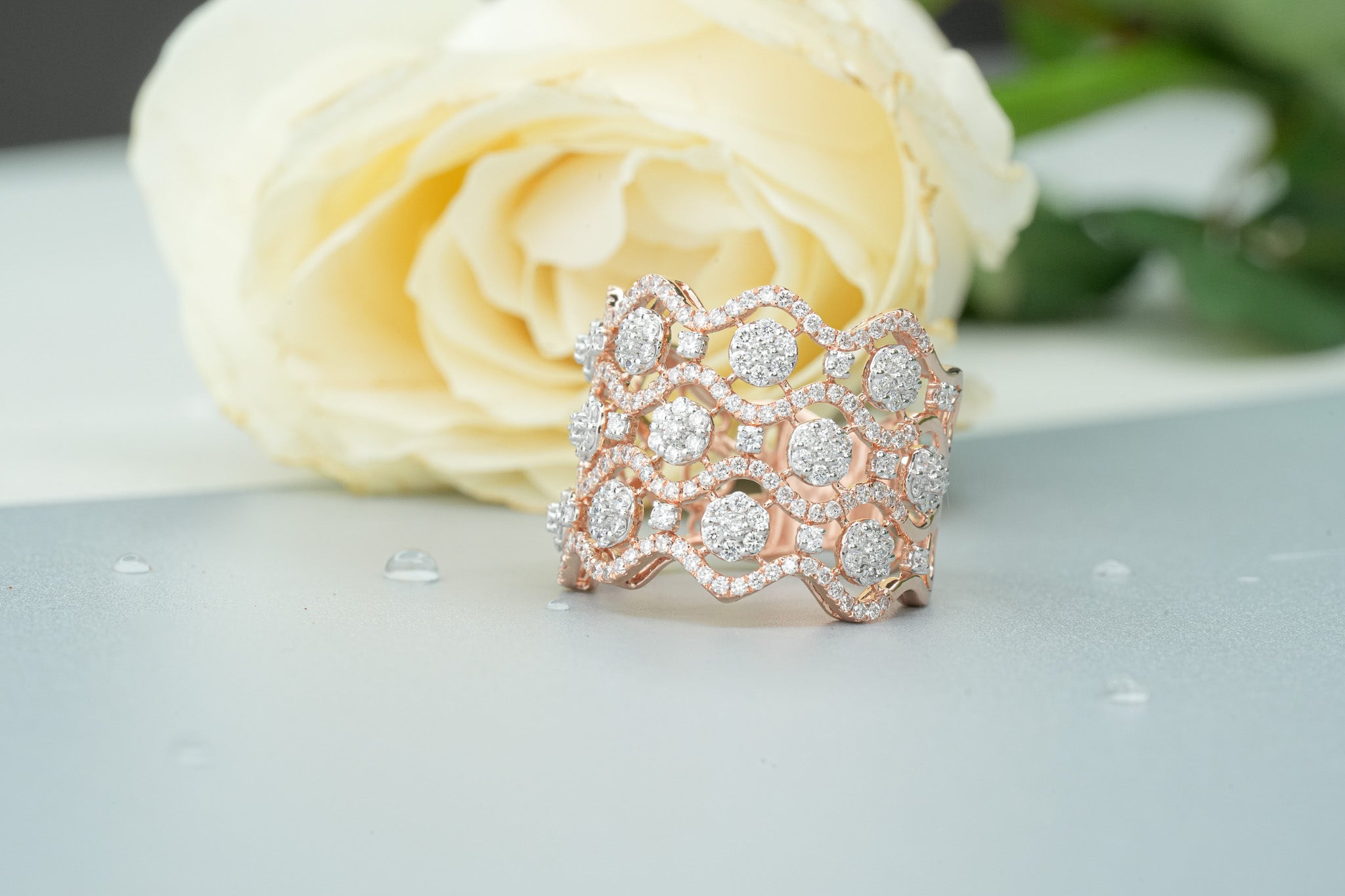
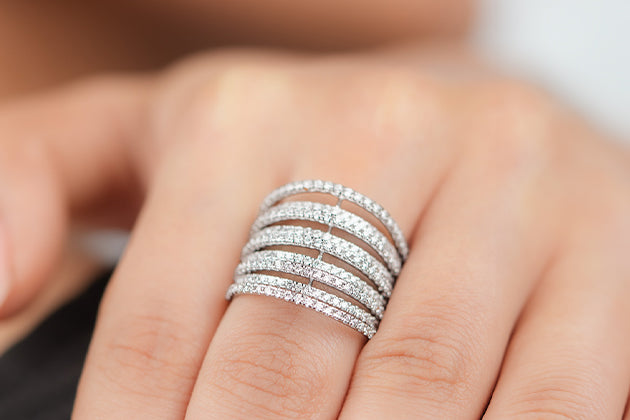
Lab grown diamond rings cover the widest price range because they span everything from simple daily-wear bands to statement solitaires.
- Daily wear rings with small diamonds or diamond clusters start at around ₹15,000. These are lightweight, comfortable for all-day wear, and set in 14Kt gold.
- Fashion rings with slightly larger centre stones or intricate halos sit between ₹25,000 and ₹60,000.
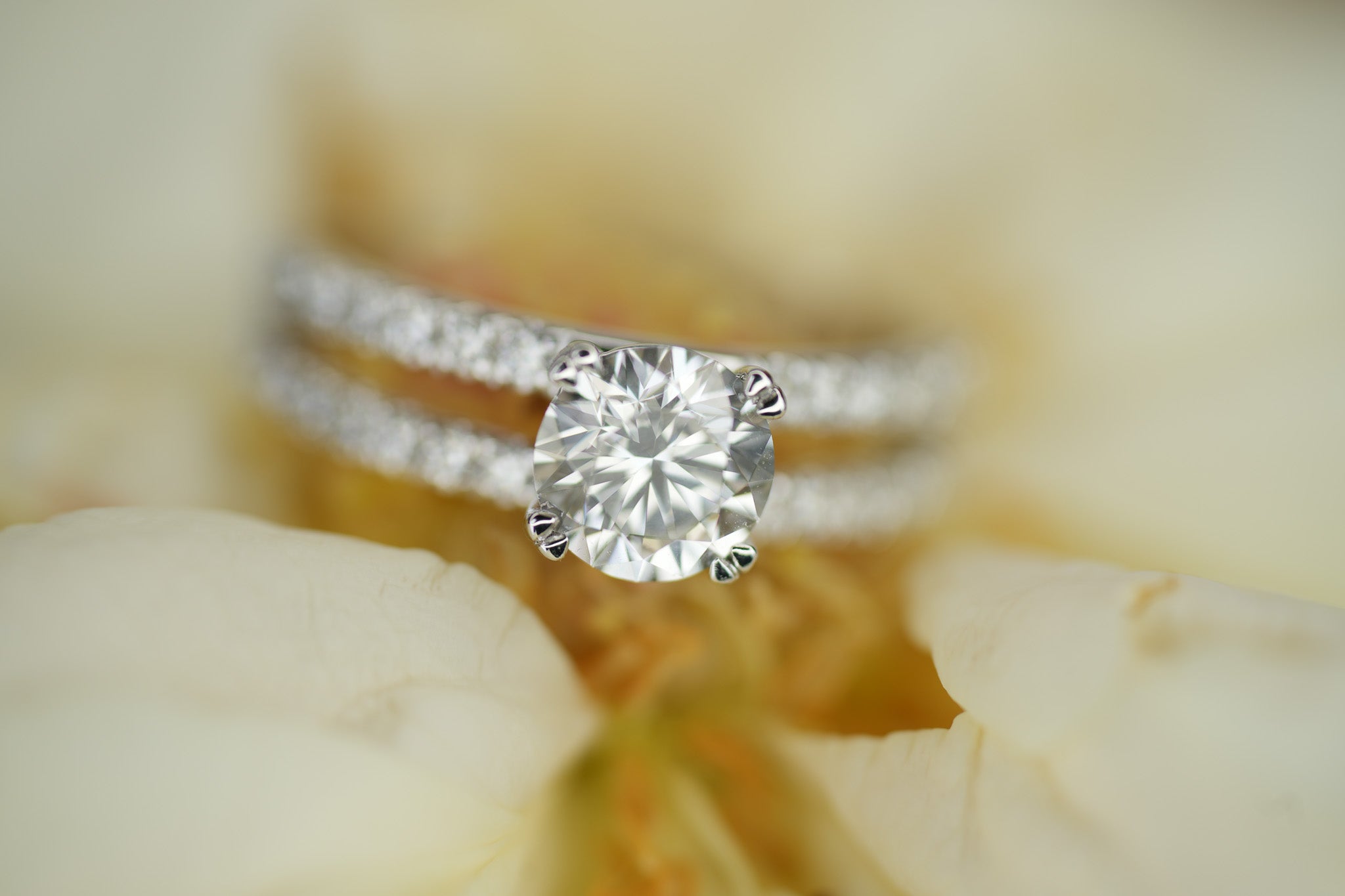
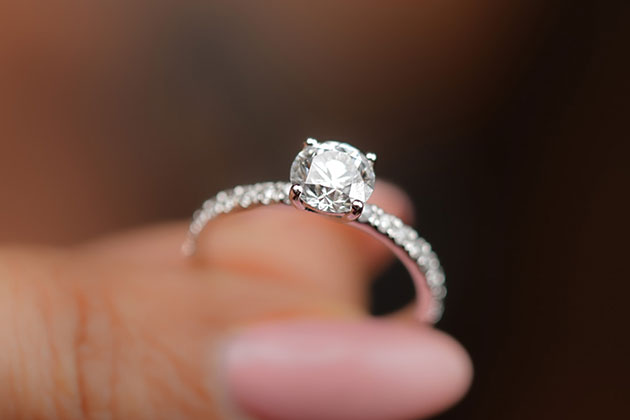
- Solitaire rings with a 0.50 ct to 1.00 ct centre stone range from ₹50,000 to ₹2,00,000+, depending on the stone quality and metal.
Earrings
Lab grown diamond earrings are one of the best-selling categories, and for good reason. They are versatile and suit every age group.
- Stud earrings start at about ₹15,000 for small stones (0.20-0.30 ct total weight) in 14Kt settings. Studs in the 0.50-1.00 ct range go up to ₹50,000-₹80,000.
- Hoops and huggies with diamond accents fall in the ₹25,000 to ₹70,000 range.
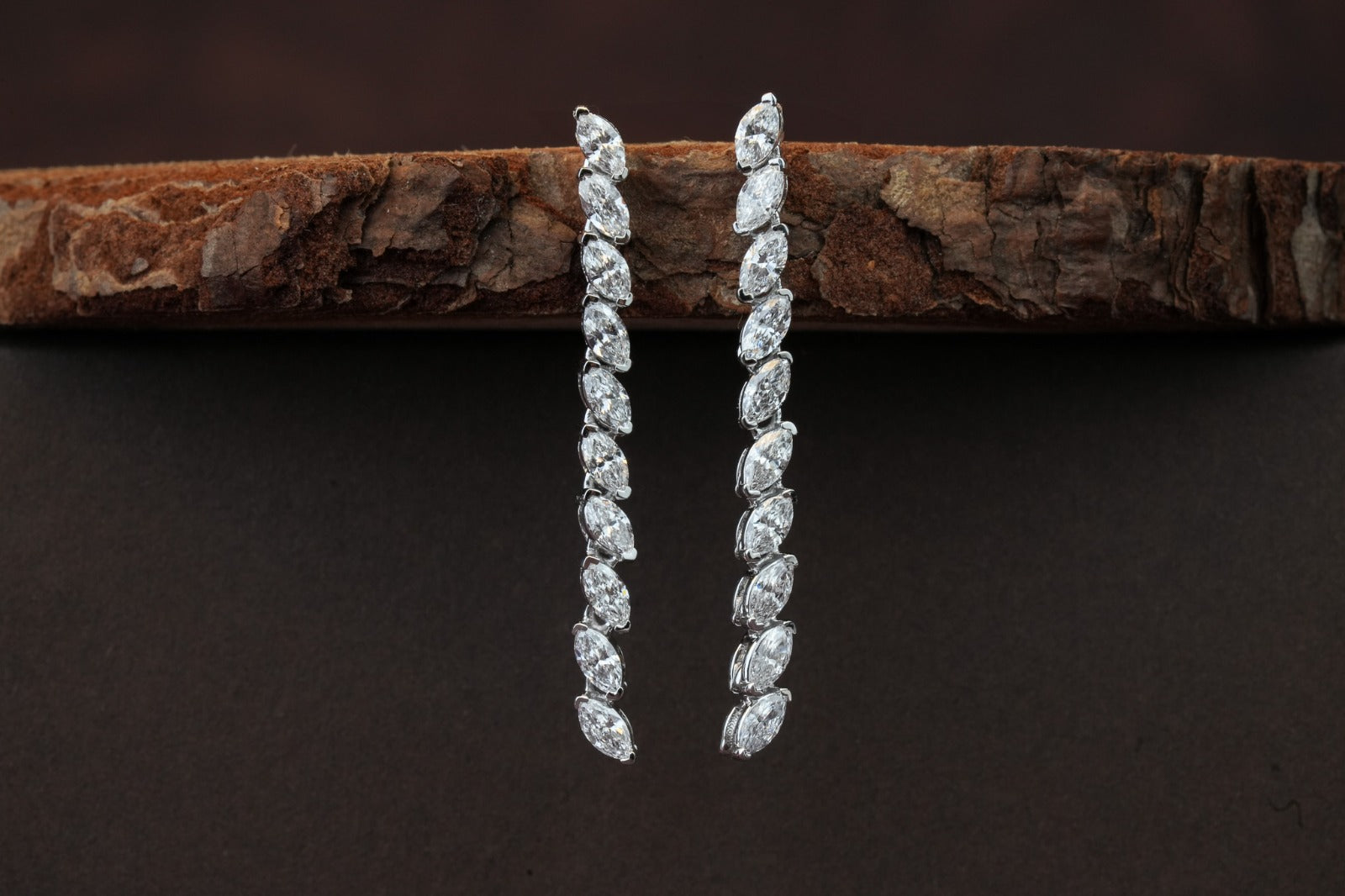
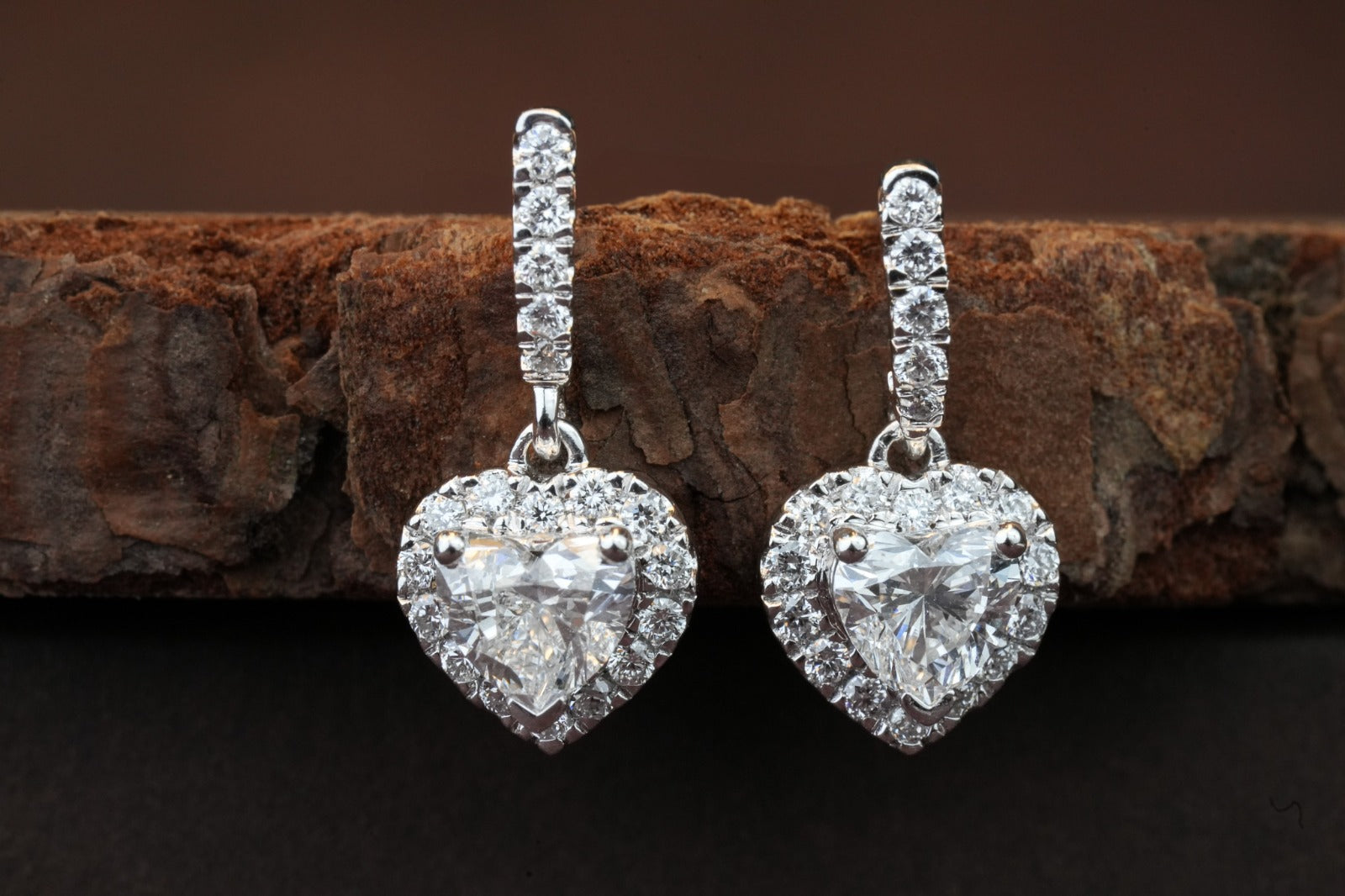
- Dangler and chandelier earrings for occasions and weddings can go from ₹60,000 to ₹1,50,000+, especially with multiple stones and elaborate metalwork.
Pendants

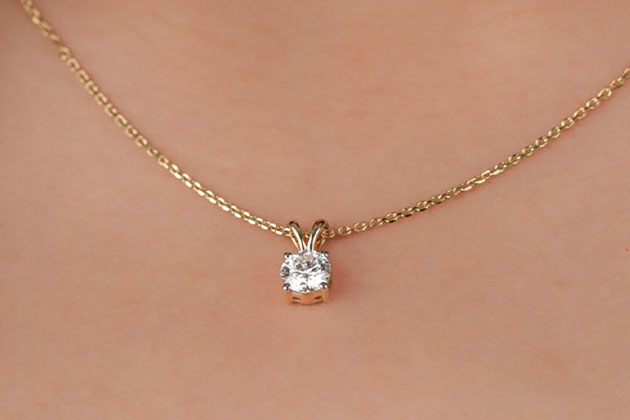
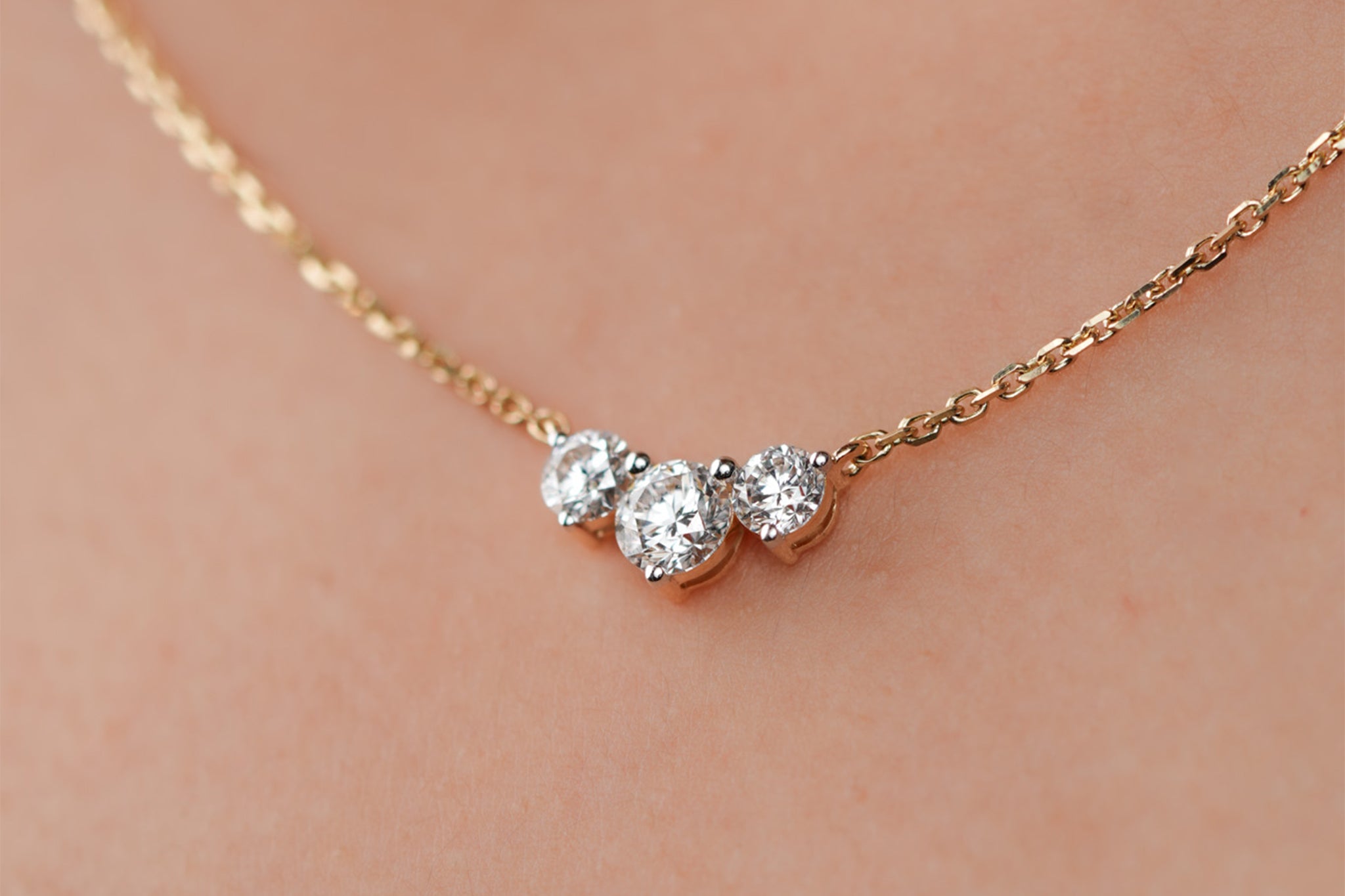
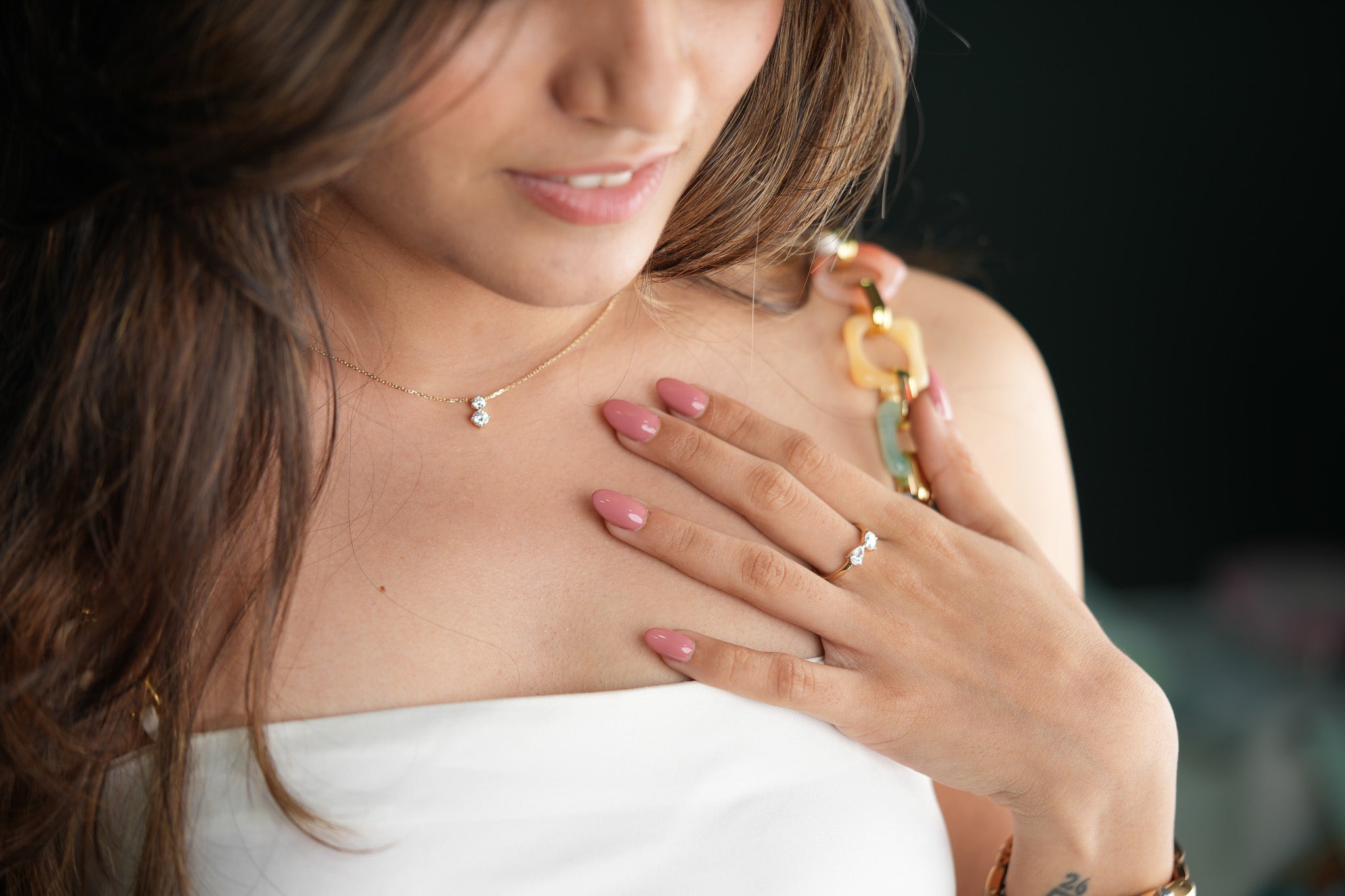
A lab grown diamond pendant is often the first piece buyers pick because it is simple, elegant, and works with every outfit.
- Daily wear pendants with a small solitaire or cluster design start at ₹12,000.
- Mid-range pendants with a 0.30-0.50 ct stone cost between ₹25,000 and ₹50,000.
- Solitaire pendants with a 0.75 ct or 1.00 ct stone can reach ₹1,00,000+.
Bracelets
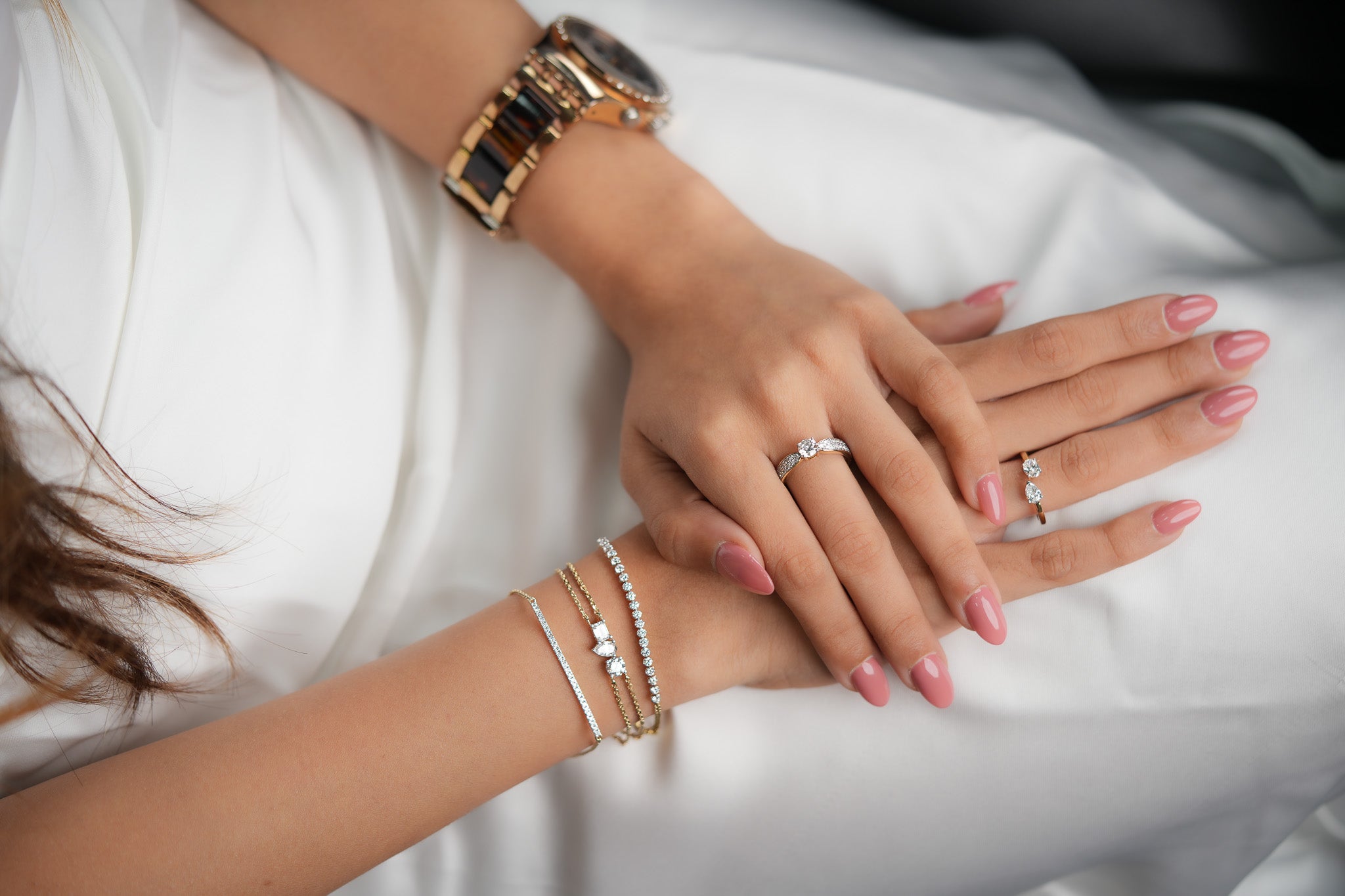
Lab grown diamond bracelets range from dainty chain styles to full tennis bracelets dripping with stones.
- Chain bracelets with a single diamond or small cluster start at ₹20,000.
- Bangle-style bracelets with diamonds set along the band fall between ₹40,000 and ₹1,00,000.
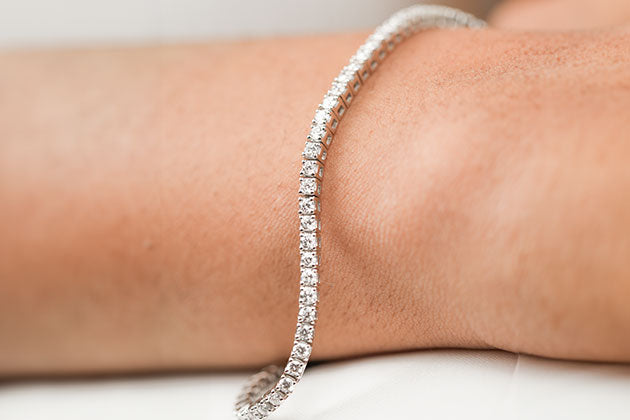
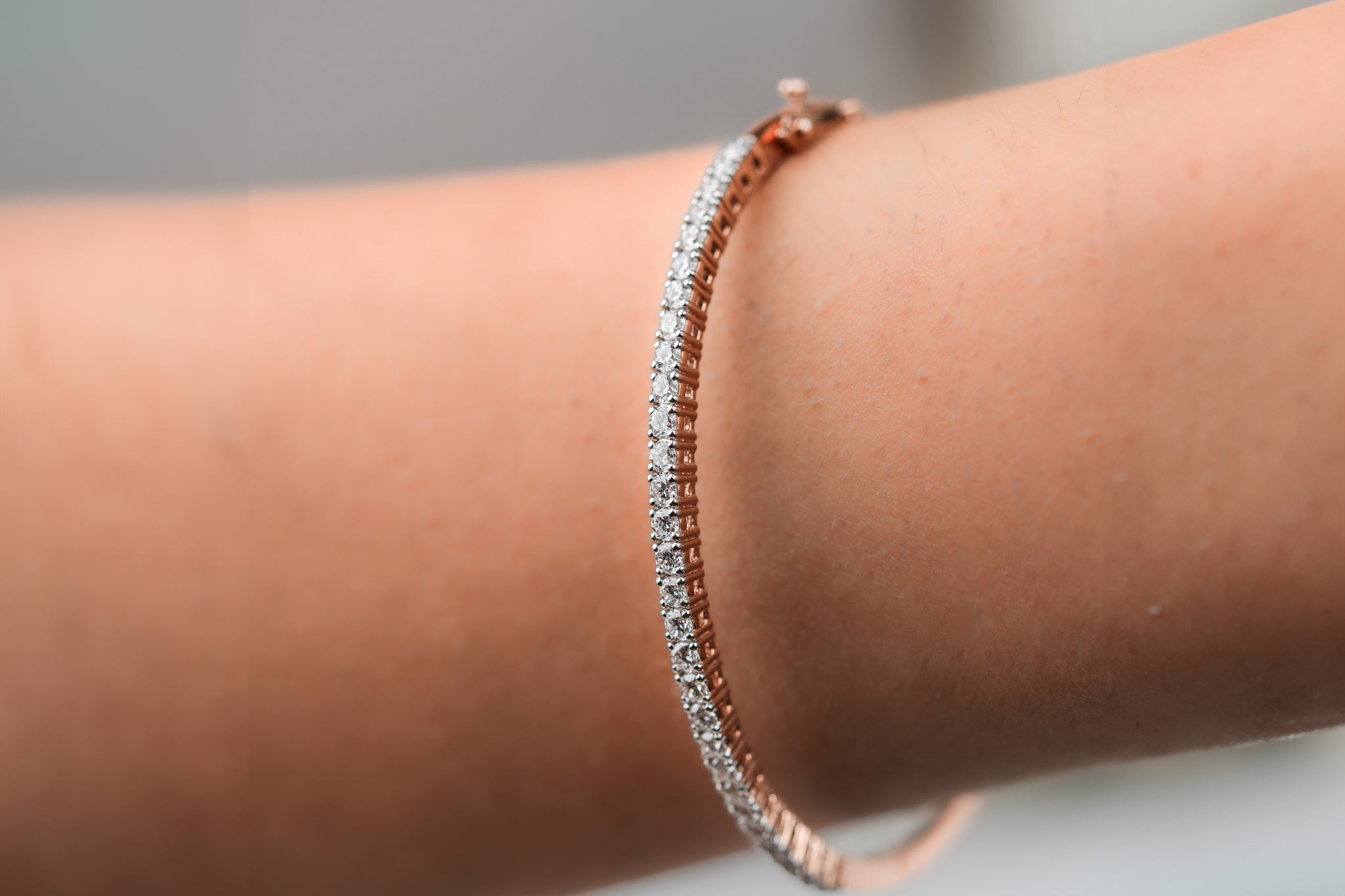
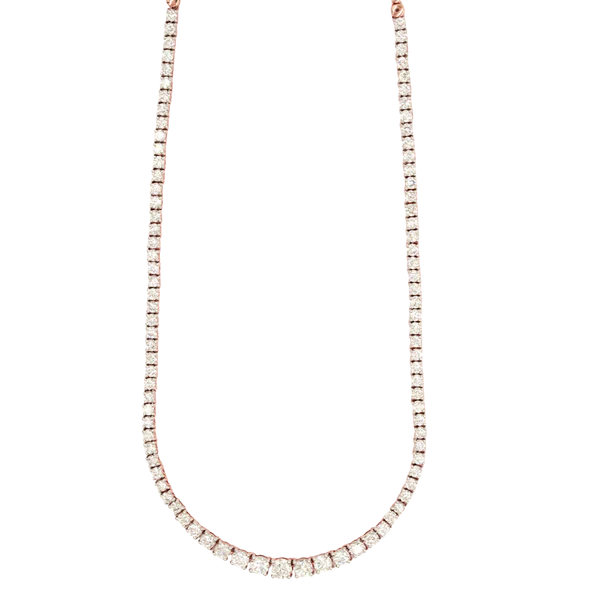
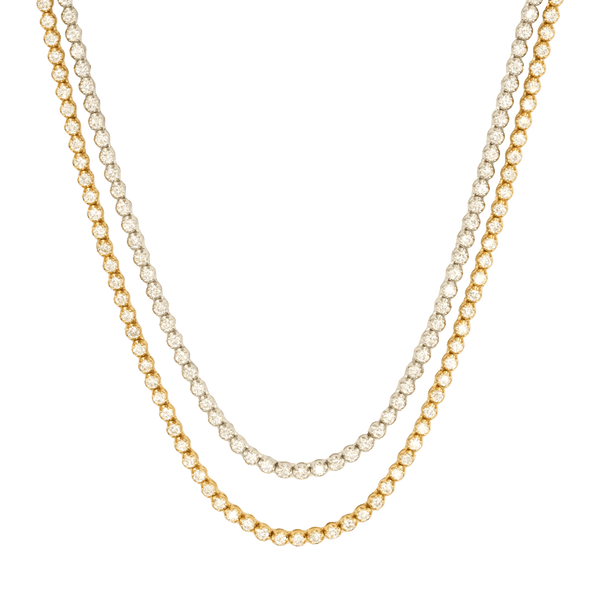
- Tennis bracelets, which feature diamonds set continuously around the wrist, range from ₹80,000 to ₹3,00,000+ depending on total carat weight and stone quality.
Mangalsutra
The lab grown diamond mangalsutra has become hugely popular among modern Indian brides who want tradition with a contemporary twist.
- Simple mangalsutra pendants with small diamonds start at ₹25,000.
- Statement mangalsutras with solitaire centres or elaborate designs go up to ₹1,00,000+.
- Most buyers pick designs in the ₹30,000 to ₹60,000 range, balancing elegance with everyday wearability.
Engagement Rings
Lab grown diamond engagement rings are where the value proposition truly shines. You can get a stunning 1-carat solitaire ring for a fraction of what a mined diamond would cost.
- Entry-level engagement rings with smaller stones or cluster settings start at ₹25,000.
- Classic solitaires with a 0.50-0.75 ct centre stone range from ₹40,000 to ₹80,000.
- Premium engagement rings with a 1-carat+ centre stone, halo setting, or pavé band go from ₹90,000 to ₹2,00,000+.
Lab Grown Diamond vs Natural Diamond: Price Comparison
This is the comparison every buyer wants to see. Here is how lab grown diamond prices stack up against natural (mined) diamonds in India.
| Carat Weight | Natural Diamond Price | Lab Grown Diamond Price | You Save |
|---|---|---|---|
| 0.50 ct | ₹50,000 – ₹1,20,000 | ₹12,000 – ₹30,000 | ~70-75% |
| 1.00 ct | ₹3,00,000 – ₹5,00,000 | ₹40,000 – ₹90,000 | ~80-85% |
| 1.50 ct | ₹5,00,000 – ₹9,00,000 | ₹70,000 – ₹1,50,000 | ~80-85% |
| 2.00 ct | ₹8,00,000 – ₹15,00,000 | ₹1,20,000 – ₹2,50,000 | ~80-85% |
The savings become more dramatic as the carat size increases. A 1-carat natural diamond ring that would cost ₹3-5 lakh can be replaced with a lab grown diamond of identical optical, chemical, and physical properties for under ₹1 lakh.
Both types of diamonds receive the same certification from labs like IGI and GIA. Under a microscope, even a trained gemologist cannot tell them apart without specialised equipment. The only difference is origin: one was formed underground over billions of years, the other was grown in a lab over a few weeks. The beauty, the sparkle, the hardness (10 on the Mohs scale) is exactly the same.
For many Indian buyers, this means upgrading to a larger stone, choosing a better cut grade, or simply keeping more money in the bank for other priorities.
CVD vs HPHT: Does It Affect Price?
You will see these two terms come up frequently when shopping for lab grown diamonds. CVD (Chemical Vapour Deposition) grows diamonds by depositing carbon atoms layer by layer in a vacuum chamber. HPHT (High Pressure High Temperature) mimics the natural conditions deep within the Earth using massive presses.
In terms of pricing, CVD diamonds tend to be slightly less expensive than HPHT diamonds, particularly in larger carat sizes. This is because CVD technology has scaled more efficiently in recent years, especially in India where Surat has become a global hub for CVD production.

That said, the price difference between the two methods is not dramatic, typically 5-15% for comparable quality stones. Both methods produce diamonds that are chemically and physically identical to mined diamonds. Neither method is "better" than the other. At Blu Diamonds, we stock both CVD and HPHT stones, so you can choose based on your preference and budget without compromising on quality.
How Certification Affects Price
Certification is your proof that a lab grown diamond is exactly what the seller claims it to be. The three major certification bodies you will encounter in India are:
- IGI (International Gemological Institute) — The most widely used lab for grading lab grown diamonds globally. IGI certification is the industry standard and carries strong buyer trust.
- SGL (Surat Gemological Laboratory) — An Indian lab that has gained significant credibility. SGL-certified stones are common in the domestic market and offer reliable grading at a slightly lower certification cost.
- GIA (Gemological Institute of America) — The gold standard for natural diamonds, GIA has expanded into lab grown diamond certification as well. GIA-certified lab diamonds carry a premium.
A certified diamond typically costs 5-10% more than an uncertified stone of similar quality, but this small premium buys you transparency, resale confidence, and peace of mind. At Blu Diamonds, all our diamonds come with dual IGI and SGL certification, so you never have to wonder about what you are buying.
Our advice: never buy an uncertified lab grown diamond, no matter how attractive the price looks. Without certification, you have no independent verification of the 4Cs.
Budget-Wise Shopping Guide
Not sure where to start? Here is a practical breakdown of what you can buy at each budget level.

Under ₹20,000
This budget gets you beautiful daily wear pieces. Think small diamond stud earrings (0.20-0.30 ct total), dainty pendants with a single stone, or slim rings with accent diamonds. Perfect for gifting, for a first diamond purchase, or for building a jewellery collection gradually. At this range, 14Kt gold settings keep costs down while maintaining durability.
₹20,000 – ₹50,000
The sweet spot for most buyers. You can pick up fashion rings with a noticeable centre stone, diamond hoops, elegant chain bracelets, or a modern mangalsutra. This range also opens up 18Kt settings and White Gold or Rose Gold options. If you are buying a gift for an anniversary or birthday, this budget gives you plenty of room.
₹50,000 – ₹1,00,000
Now you are in solitaire territory. A 0.50-0.75 ct solitaire ring with excellent cut falls right in this bracket. Dangler earrings with multiple stones, entry-level tennis bracelets, and premium pendants are all within reach. This is also the ideal range for engagement rings that look far more expensive than they are.
Above ₹1,00,000
Statement pieces live here. Full tennis bracelets, 1-carat+ solitaire engagement rings, bridal sets, chandelier earrings, and custom-designed jewellery. At this budget, you would be spending ₹5-10 lakh or more on mined diamonds. With lab grown, you get the same grandeur at a fraction of the cost, and the savings can go towards the wedding, honeymoon, or home.
Why Buy from Blu Diamonds?
Blu Diamonds is not just another online jewellery store. Here is what sets us apart:
- 700+ designs across rings, earrings, pendants, bracelets, mangalsutras, and engagement rings, all featuring lab grown diamonds.
- 5 decades of heritage in the diamond and jewellery industry. We know diamonds because our family has been in the business for over 50 years.
- Dual IGI + SGL certification on all diamonds, so you get double the assurance on every purchase.
- 80% lifetime exchange value — buy with confidence knowing your jewellery retains strong exchange value.
- 14Kt Yellow Gold, White Gold, and Rose Gold options across our collections, so you can pick the metal tone that suits your skin and style.
- Free shipping across India with secure, insured delivery.
- R City Mall, Mumbai showroom — prefer to see and try before you buy? Walk into our store at R City Mall, Ghatkopar, and experience our collection in person. Our experts will help you pick the perfect piece.
Ready to explore?
Browse our full collection at bludiamonds.com or visit us at R City Mall, Mumbai.
Frequently Asked Questions
Are lab grown diamonds real diamonds?
Yes, 100%. Lab grown diamonds are real diamonds with the exact same chemical composition (pure carbon), crystal structure, hardness (10 on Mohs scale), and optical properties as mined diamonds. They are not cubic zirconia, moissanite, or any diamond simulant. The only difference is that they are created in a controlled laboratory environment instead of being extracted from the earth. Every reputable gemological institute, including IGI, GIA, and SGL, certifies lab grown diamonds using the same grading standards as natural diamonds.
Why are lab grown diamonds cheaper than natural diamonds?
Lab grown diamonds are less expensive because they skip the costly mining, extraction, and long supply chain associated with natural diamonds. Growing a diamond in a lab takes a few weeks and uses advanced technology, but it does not require mining operations, heavy machinery, land acquisition, or the multi-layered middlemen chain. The result is a diamond that is physically identical but priced 60-80% lower. As production technology improves and scales, prices have become even more accessible for Indian buyers.
Do lab grown diamonds hold value?
Lab grown diamonds hold value as jewellery, though like most jewellery (including natural diamonds), they are not an investment asset. At Blu Diamonds, we offer an 80% lifetime exchange value, which means you can upgrade or exchange your jewellery and retain most of your original purchase value. This exchange policy is among the best in the Indian market and ensures your purchase stays valuable over time.
What is the price of a 1-carat lab grown diamond in India?
A 1-carat lab grown diamond in India costs approximately ₹40,000 to ₹90,000 for a loose stone, depending on cut, colour, and clarity grades. When set in jewellery (such as a solitaire ring in 18Kt gold), the total price including the setting typically ranges from ₹60,000 to ₹1,20,000. Compare this to a 1-carat natural diamond, which costs ₹3,00,000 to ₹5,00,000 or more. You get the same sparkle, the same certification, and the same durability at a fraction of the cost.
Where can I buy lab grown diamond jewellery in India?
You can buy lab grown diamond jewellery online at bludiamonds.com, where we have 700+ certified designs with free shipping across India. If you prefer an in-person experience, visit the Blu Diamonds showroom at R City Mall, Ghatkopar, Mumbai, where you can try on pieces, compare designs, and get expert guidance. We offer both IGI and SGL certified diamonds across all our collections.
Is lab grown diamond jewellery good for daily wear?
Absolutely. Lab grown diamonds score a perfect 10 on the Mohs hardness scale, making them the hardest material on earth, exactly like mined diamonds. They will not scratch, chip, or lose their brilliance with regular wear. Our rings, stud earrings, and pendants in the daily wear category are designed specifically for all-day comfort and durability. Pair them with a 14Kt or 18Kt gold setting, and you have jewellery that lasts a lifetime.